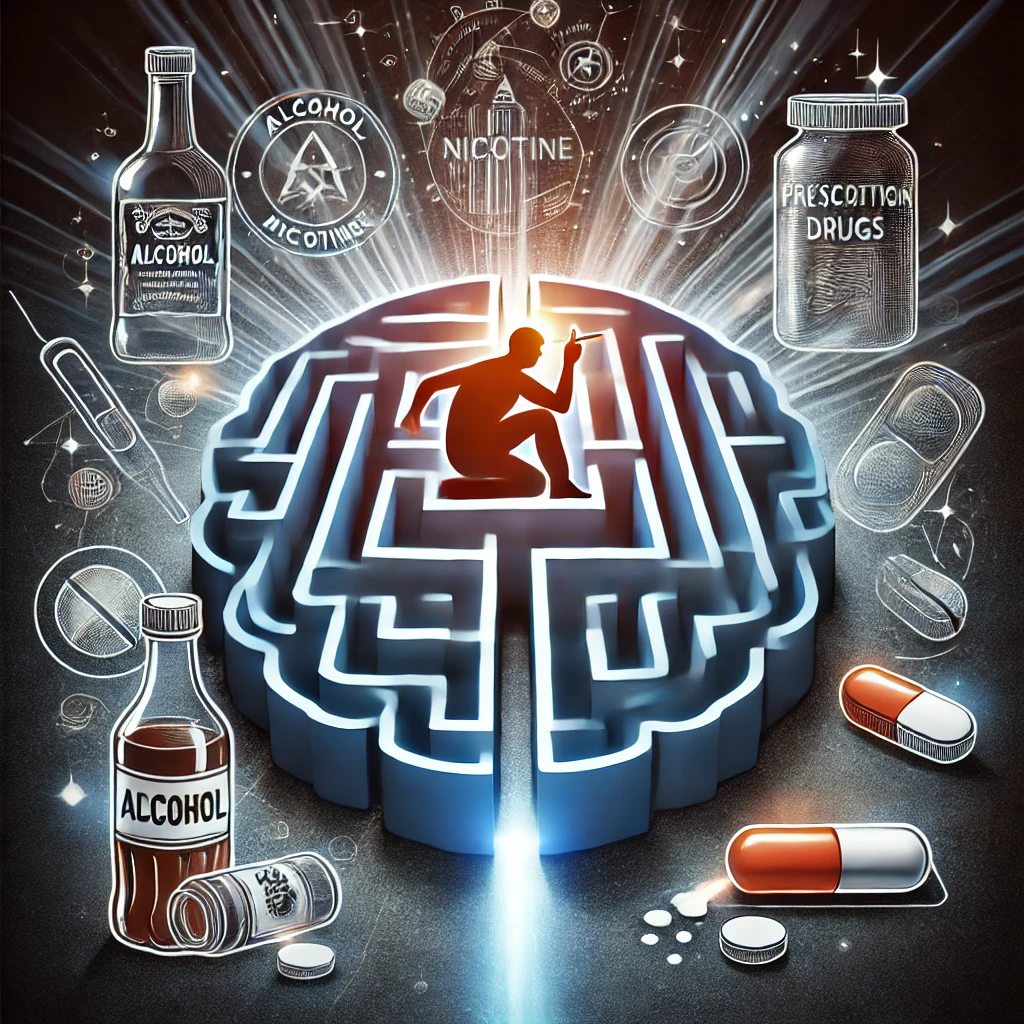
Addiction is a serious issue that affects millions of people worldwide. Some drugs have a higher potential for addiction due to their impact on the brain’s reward system, making it incredibly difficult for users to quit. Here, we take a look at some of the most addictive drugs and their effects on the body and mind.
1. Heroin
Heroin is one of the most addictive substances known to man. This opioid binds to receptors in the brain, producing an intense feeling of euphoria and relaxation. However, repeated use quickly leads to tolerance, requiring higher doses to achieve the same effects. Withdrawal symptoms, such as severe pain, nausea, and anxiety, make quitting incredibly difficult. Long-term heroin use can lead to collapsed veins, liver disease, and a high risk of overdose.
2. Cocaine
Cocaine is a powerful stimulant that increases dopamine levels in the brain, leading to extreme energy, confidence, and euphoria. The high is short-lived, leading many users to binge on the drug, increasing the risk of addiction. Over time, cocaine can cause paranoia, hallucinations, and severe heart issues, including heart attacks and strokes. The withdrawal symptoms include depression, fatigue, and intense cravings.
3. Methamphetamine (Meth)
Meth is a synthetic stimulant that produces a powerful, long-lasting high. It increases dopamine levels, leading to increased energy and focus. However, long-term meth use causes severe dental decay (“meth mouth”), skin sores, and extreme weight loss. It also alters brain chemistry, making it one of the hardest addictions to overcome. Withdrawal symptoms include depression, anxiety, and sleep disturbances.
4. Alcohol
While alcohol is legal in most places, it is one of the most widely abused substances. Alcohol affects the central nervous system, producing feelings of relaxation and euphoria. However, excessive drinking leads to liver damage, high blood pressure, and an increased risk of accidents. Alcohol withdrawal can be life-threatening, with symptoms like seizures, hallucinations, and delirium tremens (DTs).
5. Nicotine
Found in cigarettes and vaping products, nicotine is one of the most addictive substances due to its fast-acting effects on the brain. It triggers the release of dopamine, leading to temporary stress relief and relaxation. The addiction cycle is reinforced because nicotine withdrawal causes irritability, anxiety, and strong cravings. Long-term use leads to lung disease, heart disease, and an increased risk of cancer.
6. Benzodiazepines (Xanax, Valium, Ativan)
Benzodiazepines are prescribed for anxiety and sleep disorders, but they are highly addictive. They work by enhancing the effects of a neurotransmitter called GABA, producing a calming effect. Over time, the body becomes dependent on them, leading to withdrawal symptoms such as seizures, panic attacks, and severe anxiety. Long-term use can cause cognitive impairment and memory issues.
7. Fentanyl
Fentanyl is a synthetic opioid that is 50 to 100 times stronger than morphine. It is often prescribed for severe pain but is also found in illicit drug markets. Due to its potency, even a small dose can cause overdose and death. It rapidly causes physical dependence, and withdrawal symptoms include muscle pain, nausea, insomnia, and severe cravings.
The Bottom Line
Addiction is a powerful disease that can take over a person’s life. While some drugs are more addictive than others, all substance abuse carries serious health risks. If you or someone you know is struggling with addiction, seeking professional help is the best step toward recovery. Remember, there is always hope, and treatment is available for those who need it.
If you or a loved one are struggling with addiction or mental health issues, please give us a call today at 855-952-3546