Benzodiazepines: The Silent Crisis of Prescription Abuse
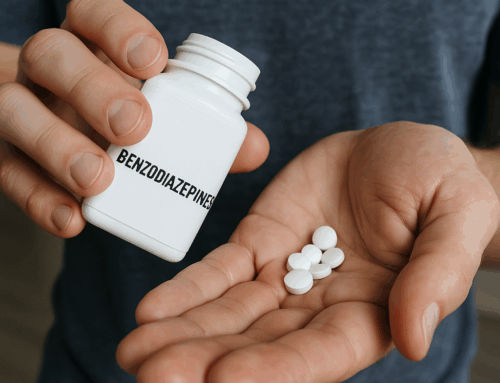
Benzodiazepines, commonly known as “benzos,” are a class of medications prescribed to treat anxiety, insomnia, seizures, and other medical conditions. Drugs like Xanax, Valium, and Ativan have become household names, often praised for their effectiveness. However, beneath their therapeutic benefits lies a growing public health crisis. The misuse and overprescription of benzodiazepines are contributing to a silent epidemic that affects millions worldwide.
What Are Benzodiazepines?
Benzodiazepines are central nervous system depressants. They work by enhancing the activity of a neurotransmitter called gamma-aminobutyric acid (GABA), which helps calm the brain and reduce overactivity. While these medications can be life-changing for individuals dealing with severe anxiety or acute panic attacks, their use comes with significant risks.
The Dark Side of Benzos
Despite their legitimate medical uses, benzodiazepines are highly addictive. Even when taken as prescribed, users can develop a dependence on these drugs within weeks. The body quickly builds a tolerance, requiring higher doses to achieve the same effect. This cycle often leads to misuse.
When combined with other substances—such as alcohol or opioids—benzodiazepines can be deadly. According to the National Institute on Drug Abuse (NIDA), benzodiazepines were involved in over 12,000 overdose deaths in the United States in 2020 alone. The risk of fatal overdose increases significantly when benzos are mixed with other central nervous system depressants.
Overprescription: A Root Cause
One of the major factors fueling this crisis is overprescription. Doctors often prescribe benzodiazepines as a quick fix for anxiety or sleep issues without fully exploring alternative treatments. In some cases, patients are left on these medications for years, even though guidelines recommend short-term use only. The lack of education about the risks of long-term benzodiazepine use exacerbates the problem.
The Impact on Mental and Physical Health
Chronic benzodiazepine use can lead to a host of mental and physical health issues. Users often experience memory problems, difficulty concentrating, and emotional instability. Physically, long-term use can cause muscle weakness, gastrointestinal issues, and an increased risk of falls, particularly in older adults. Withdrawal symptoms, including seizures, insomnia, and severe anxiety, can make it incredibly challenging to quit without medical supervision.
Benzodiazepine Addiction: A Hidden Struggle
Unlike opioid addiction, which has garnered widespread attention, benzodiazepine addiction often goes unnoticed. This is partly because these drugs are commonly associated with medical prescriptions rather than illicit drug use. However, the stigma surrounding addiction prevents many individuals from seeking help. People may not realize they are addicted until they attempt to stop and experience debilitating withdrawal symptoms.
Seeking Solutions
Addressing the benzodiazepine crisis requires a multi-faceted approach:
- Education: Patients and healthcare providers need to be better informed about the risks associated with benzodiazepines. Alternatives such as Cognitive Behavioral Therapy (CBT), mindfulness practices, and non-addictive medications should be considered as first-line treatments.
- Regulation: Stricter guidelines for prescribing benzodiazepines can help reduce overprescription. Monitoring systems to track prescriptions can also play a crucial role in preventing misuse.
- Treatment: For those struggling with benzodiazepine addiction, specialized treatment programs are essential. Detoxing from benzodiazepines should always be done under medical supervision to manage withdrawal symptoms safely.
- Public Awareness: Reducing the stigma around addiction is critical. Sharing stories of recovery and emphasizing the importance of seeking help can encourage individuals to take the first step toward treatment.
The Road Ahead
Benzodiazepines have a valuable place in modern medicine, but their misuse has created a crisis that can no longer be ignored. By fostering awareness, improving prescribing practices, and offering effective treatment options, we can begin to turn the tide on this silent epidemic. If you or someone you know is struggling with benzodiazepine addiction, remember that help is available. Recovery is possible with the right support and care.
If you or a loved one are struggling with addiction or mental health issues, please give us a call today at 855-952-3546