The Increasing Popularity of Designer Drugs in Urban Areas
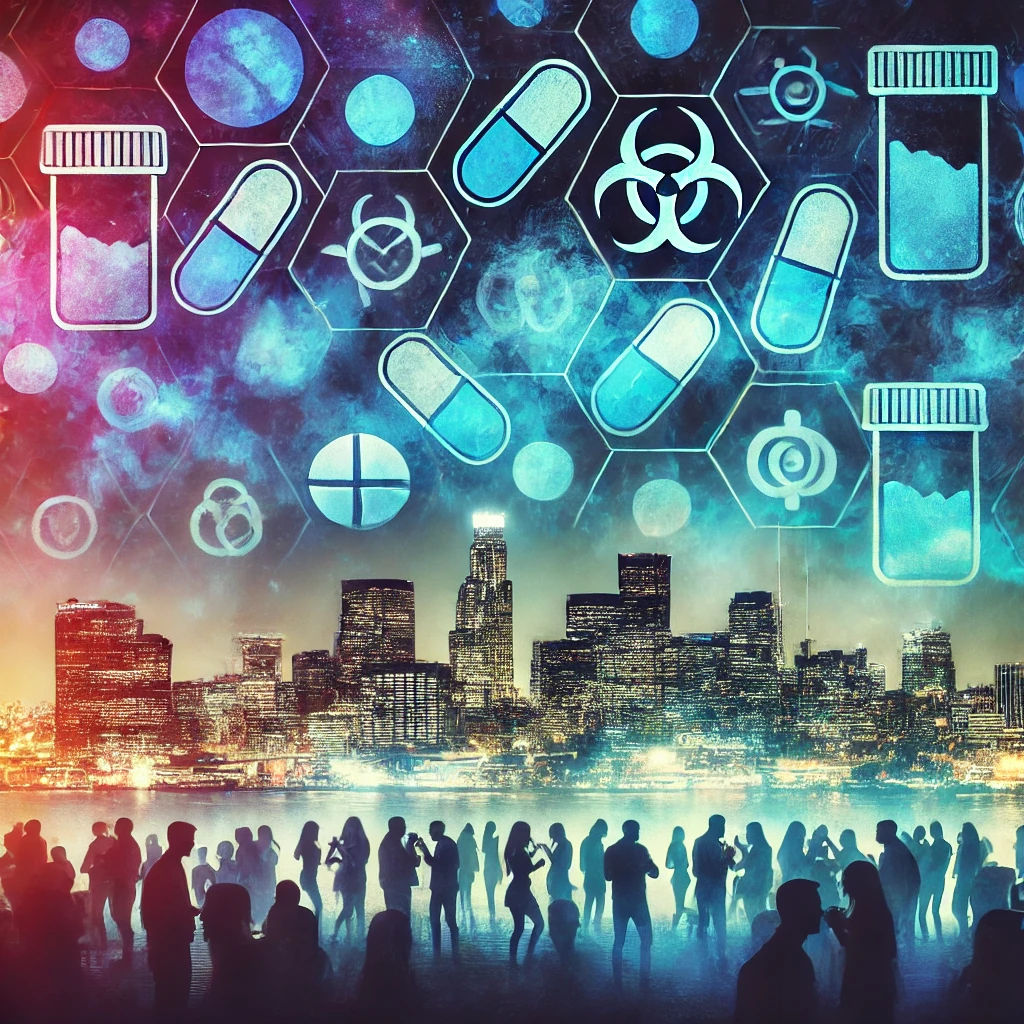
In recent years, the surge in the use and availability of designer drugs has become a growing concern in urban areas. These synthetic substances, engineered to mimic the effects of traditional drugs like cocaine, ecstasy, or marijuana, are increasingly finding their way into nightlife, party scenes, and even mainstream culture. As their use grows, so do the risks associated with them, raising alarms for law enforcement, public health officials, and communities.
What Are Designer Drugs?
Designer drugs, also known as synthetic or club drugs, are chemically altered substances designed to bypass existing drug laws. These drugs often mimic the effects of controlled substances while being difficult to detect through traditional drug tests. Common examples include synthetic cannabinoids (often marketed as “Spice” or “K2”), synthetic cathinones (“bath salts”), and fentanyl analogs.
Manufacturers of designer drugs stay ahead of legislation by continually tweaking chemical formulas. This creates a dangerous cycle where new, unregulated substances flood the market before authorities can respond. As a result, users often have little to no idea what they are consuming or how it might affect them.
Why Are Designer Drugs So Popular in Urban Areas?
Several factors contribute to the rising popularity of designer drugs in cities:
- Accessibility: Urban areas are often hubs for nightlife and recreational activities, where designer drugs are marketed as cheap, easily accessible alternatives to traditional substances.
- Anonymity: Large cities provide a level of anonymity for users and dealers, making it easier to distribute and consume these substances without drawing attention.
- Social Pressure: Peer pressure and the desire to experiment with “new” substances play a significant role, especially among young adults in party or festival settings.
- Digital Marketplace: The rise of online platforms and the dark web has made purchasing these drugs more convenient than ever. Social media and encrypted messaging apps further aid in their distribution.
The Hidden Dangers of Designer Drugs
While marketed as safe or legal alternatives, designer drugs are anything but harmless. Their unregulated nature means users are playing a game of Russian roulette with their health. Some of the most concerning dangers include:
- Unpredictable Effects: Since the chemical makeup of designer drugs is constantly changing, the effects can vary wildly. Some substances can cause extreme euphoria, hallucinations, or energy surges, while others may lead to paranoia, aggression, or severe depression.
- Addiction: Many designer drugs are highly addictive, leading users down a dangerous path of dependency and escalating use.
- Health Risks: Overdose deaths linked to synthetic opioids like fentanyl have skyrocketed in urban areas. Other health risks include heart failure, seizures, and irreversible brain damage.
- Lack of Treatment: Standard medical protocols may not work for these substances because of their constantly evolving formulas, leaving medical professionals scrambling to treat overdoses effectively.
Combatting the Trend
Tackling the popularity of designer drugs in urban areas requires a multi-faceted approach:
- Education: Increasing public awareness about the dangers of designer drugs can deter use. Campaigns targeting youth, in particular, can have a long-term impact.
- Legislation: Governments need to stay ahead by enacting blanket bans on entire classes of chemicals, rather than waiting to outlaw individual compounds.
- Law Enforcement: Strengthening efforts to crack down on illegal manufacturing and distribution networks, particularly those operating online, is essential.
- Support Systems: Offering accessible treatment options and mental health support can help users recover and discourage relapses. Urban areas should invest in rehab centers, harm reduction programs, and community outreach. The allure of designer drugs is undeniable in urban environments, where thrill-seeking and experimentation often take center stage. However, the risks far outweigh the temporary highs. By fostering awareness, strengthening laws, and supporting those affected, communities can combat the spread of these dangerous substances. Ultimately, the battle against designer drugs is not just a fight for public health but also for the safety and well-being of future generations.
If you or a loved one are struggling with addiction or mental health issues, please give us a call today at 855-952-3546