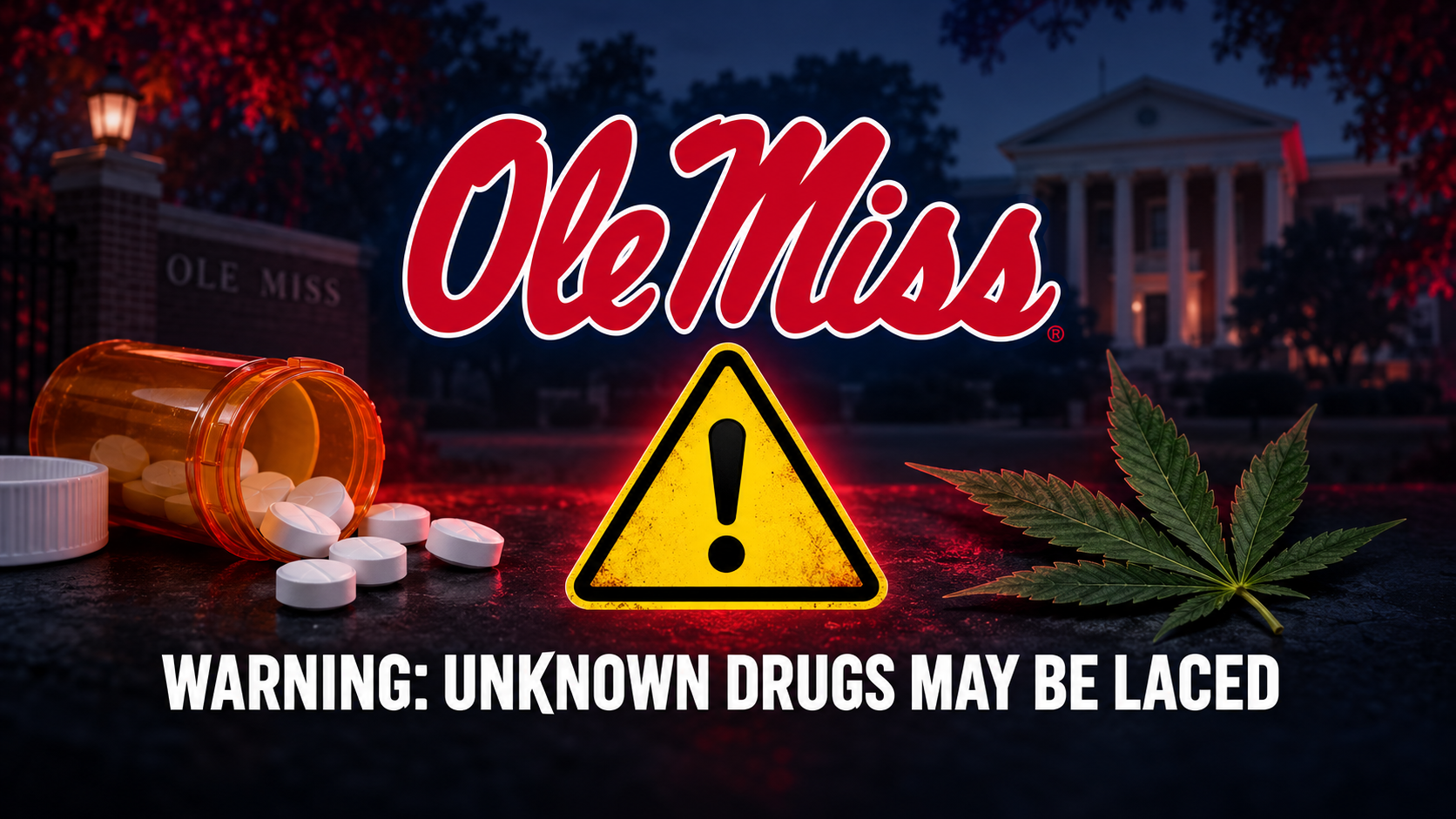
Opioid use has become a significant concern across the country, and synthetic opioids are a major factor. These lab-created drugs are similar to natural opioids but can be much stronger. If you’re wondering about synthetic opioids or have a loved one who might be using them, this blog is here to help. We’ll break down the facts about these substances and, more importantly, connect you with resources for support. At Georgia Addiction Treatment Center, our team guides individuals and families on the path to recovery and long-term well-being.
What Are Synthetic Opioids?
To start, let’s first define synthetic opioids. Synthetic opioids are a group of man-made drugs designed in laboratories to replicate the effects of natural opioids derived from the opium poppy plant. Like their natural counterparts, they bind to opioid receptors in the brain, leading to pain relief and feelings of euphoria. However, synthetic opioids can be significantly stronger than natural opioids. Frequent use can dramatically increase the risk of addiction and overdose. While some synthetic opioids have legitimate medical uses as pain relievers or anesthetics, others are produced and sold illegally, posing a serious public health threat.
How Are Synthetic Opioids Made?
As the name suggests, synthetic opioids are substances that are synthesized and produced in a man-made laboratory. Unlike natural opioids derived from poppy plants, synthetic opioids are created in laboratories. This controlled environment allows for precise formulation and quality control. Legal manufacturers use specific chemicals and follow strict procedures to ensure the final product is pure, potent, and consistent with the prescribed dose.
However, the issue with synthetic opioids being made is not that they are produced in laboratories. Still, they can easily be replicated by those not controlled by the FDA or any worldwide system. The ability to synthesize opioids can be exploited by illegal operations lacking proper oversight. Clandestine labs often use unregulated precursors and operate in uncontrolled environments, resulting in unpredictable and dangerous products. These illegal synthetic opioids frequently contain unknown contaminants and vary wildly in potency, significantly increasing the risk of overdose and addiction.
List of Synthetic Opioids
These substances can be incredibly potent and are utilized in various medical treatments, primarily for pain management and opioid use disorder. However, some synthetic opioids are also manufactured and distributed illegally, contributing to the ongoing opioid epidemic. If we are to compile a common list of synthetic opioids, it’s important to note that some of these on this list are used in the medical field for those purposes:
- Fentanyl: A powerful synthetic opioid used in pain management patches and anesthesia, but also illegally manufactured and sold on the street.
- Methadone: A synthetic opioid prescribed for pain management and medication-assisted treatment (MAT) for opioid use disorder.
- Hydrocodone: A semi-synthetic opioid (derived from a natural opioid) commonly found in prescription pain medications like Vicodin.
- Oxycodone: A semi-synthetic opioid (derived from a natural opioid) prescribed for moderate to severe pain, often under brand names like OxyContin or Percocet.
- Buprenorphine: A synthetic opioid used in MAT for opioid use disorder, available as a sublingual film (Suboxone) or combined with naloxone (Sublocade).
Understanding the uses and risks associated with these synthetic opioids is crucial for both medical professionals and patients. While they offer significant benefits in managing pain and aiding in addiction treatment, their potential for abuse and addiction underscores the importance of careful prescription and monitoring.
Are There Legal Synthetic Opioids?
Not all synthetic opioids are created equal. While some pose a serious public health threat due to their illicit nature, others play a valuable role in modern medicine. Here’s how to distinguish between the two:
Legal
- FDA-approved medications.
- Prescribed by doctors.
- Made by licensed manufacturers and are subject to strict regulations
Methadone, hydrocodone, oxycodone, and buprenorphine all fall under these categories. These synthetic opioids are used for diminishing withdrawal symptoms and managing severe pain from an injury or after surgery.
Illegal
- Sold outside of legal channels.
- Extremely dangerous due to unknown potency and lack of quality control.
Illegally manufactured fentanyl and heroin fall into these categories. These are often mixed in with other drugs being sold on the street, increasing the risk of overdose and death.
Disclaimer: These lists are not exhaustive. It’s important to remember that even prescribed synthetic opioids have the potential for misuse and addiction. Always follow your doctor’s instructions carefully and seek help if you have concerns about your medication use.
Help for Synthetic Opioid Addiction
The world of synthetic opioids can be complex and confusing. However, you can make informed choices by understanding these substances and the dangers posed by illegal varieties. If you or someone you love is struggling with synthetic opioids, there is hope. Our rehab center in Georgia offers comprehensive treatment programs to guide individuals toward lasting recovery.
At our drug rehab in Georgia, we provide opioid addiction treatment programs customized to each client’s needs. No two plans are alike because we offer personalized therapy services to help our clients stay healthy. With the Georgia Addiction Treatment Center, rehab in Georgia has never been more accessible.