Why Fentanyl Is Considered the Most Dangerous Drug Today
Fentanyl, a synthetic opioid originally developed for pain management in cancer patients, has earned a notorious reputation as the most dangerous drug today. Its potency, which exceeds that of heroin and morphine, makes it exceptionally lethal, even in minute quantities. This blog delves into the reasons behind fentanyl’s dangerous status and the impact it has on society.
Unprecedented Potency
Fentanyl is about 50 to 100 times more potent than morphine and 50 times stronger than heroin. A mere 2 milligrams, equivalent to a few grains of salt, is enough to be fatal for most individuals. This extreme potency greatly increases the risk of overdose, especially when individuals are unaware that they are consuming it. Fentanyl is often mixed with other drugs like heroin, cocaine, and methamphetamine, which not only amplifies its potency but also its unpredictability and danger.
Proliferation in the Illegal Drug Market
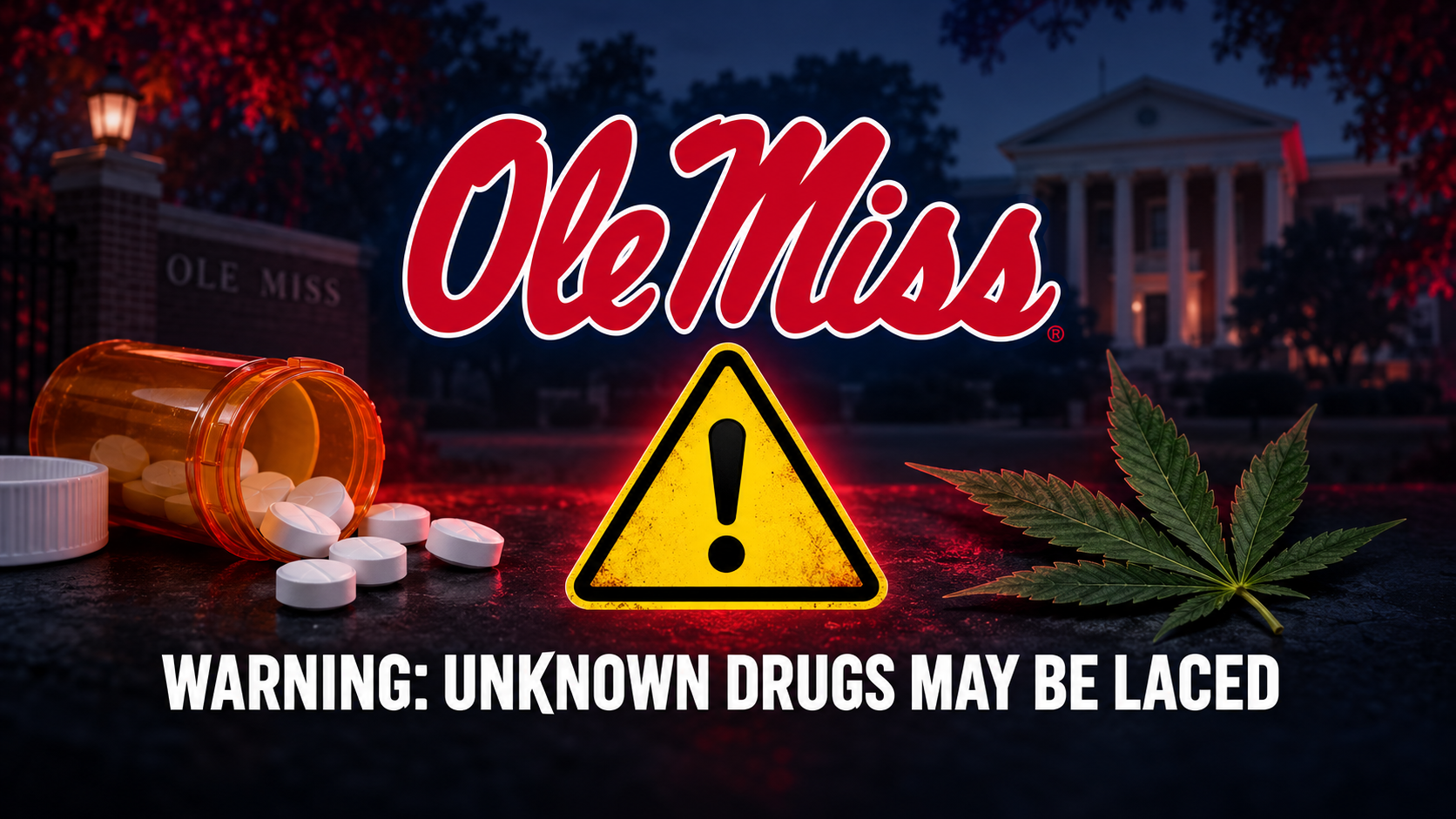
The rise of fentanyl use can be attributed to its synthetic nature, which allows it to be produced quickly and cheaply in laboratories without the need for natural opium sources. This accessibility has led to its widespread distribution in the illegal drug market, often disguised in other substances or in counterfeit pills mimicking legitimate prescription opioids. This deception has led to a significant increase in overdose deaths, as users are often unaware of the presence of fentanyl in the substances they consume.
Overdose Crisis
The presence of fentanyl in the drug supply has escalated the opioid overdose crisis to unprecedented levels. According to the Centers for Disease Control and Prevention (CDC), over 150 people die every day from overdoses related to synthetic opioids like fentanyl. The drug’s potency means that traditional doses of naloxone, the medication used to reverse opioid overdoses, are often insufficient, requiring multiple doses to revive an individual, thereby complicating rescue efforts.
Impact on Public Health
Fentanyl’s impact extends beyond individual users, affecting families and communities across various demographics. The ripple effect of its use can be seen in increased healthcare costs, overwhelmed emergency services, and a higher burden on the legal and social services system. Moreover, the fear of accidental exposure to fentanyl affects first responders who are at the frontline of dealing with overdose cases.
Efforts to Combat Fentanyl Proliferation
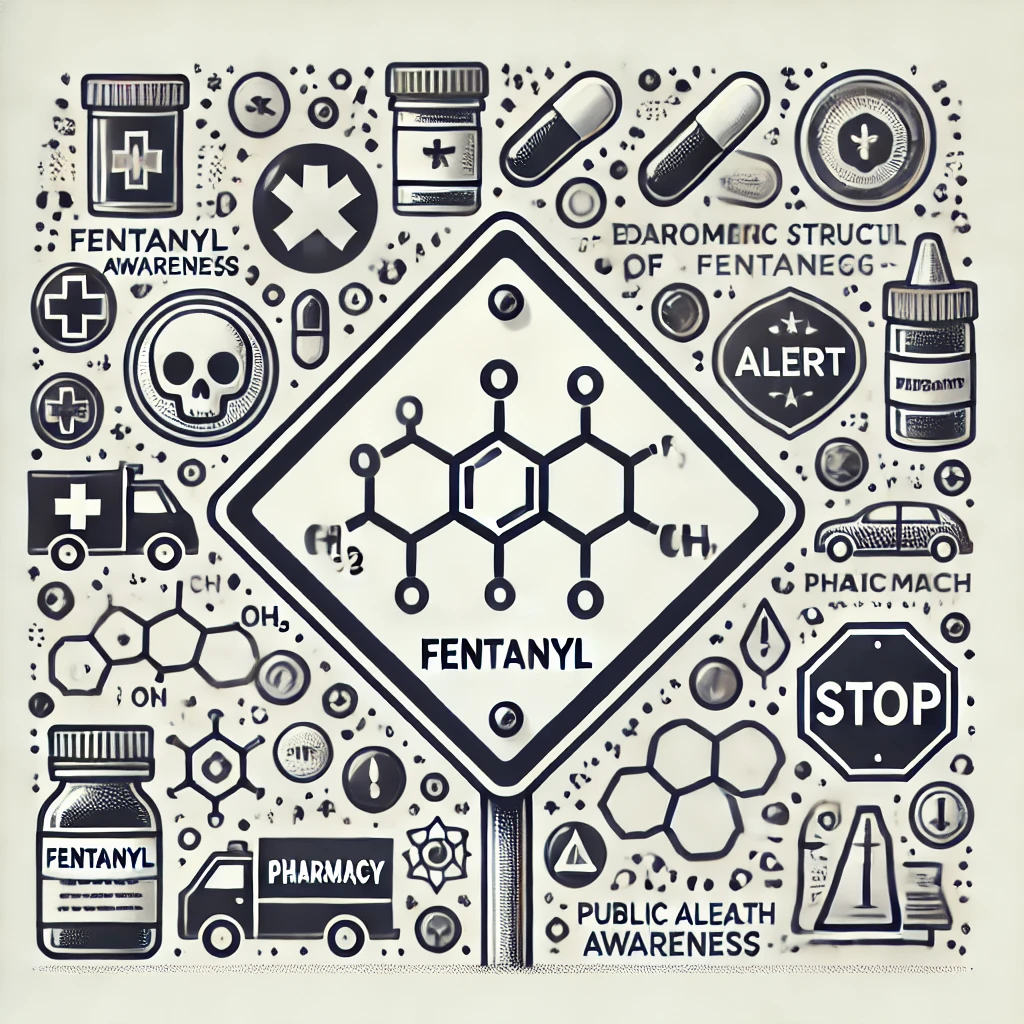
In response to the growing fentanyl crisis, governments and international bodies have ramped up efforts to curb its flow. This includes stricter regulations on chemicals used to manufacture fentanyl, enhanced law enforcement measures to crack down on drug trafficking, and public awareness campaigns aimed at educating people about the risks of opioid use and the specific dangers of fentanyl.
Fentanyl’s status as the most dangerous drug today is not unwarranted. Its potent effects, ability to disguise within other drugs, and the ease of production make it a significant public health threat. Combating this crisis requires a multifaceted approach involving stringent law enforcement, comprehensive public health strategies, and community engagement to reduce demand and provide support for affected individuals.
Fentanyl’s devastating impact on society underscores the critical need for vigilance and awareness to prevent its spread and the tragic consequences that follow in its wake.
If you or a loved one are struggling with addiction or mental health issues, please give us a call today at 855-952-3546