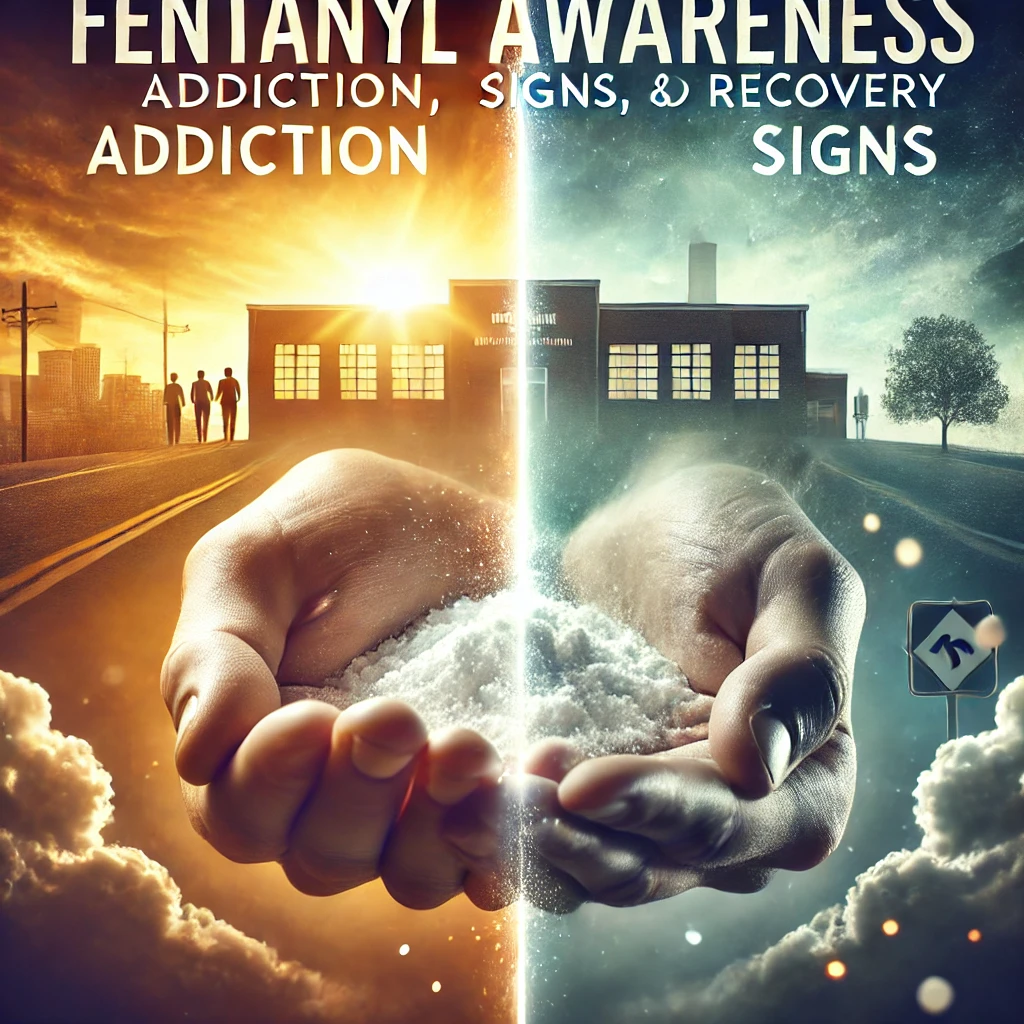
Fentanyl, a synthetic opioid, has been making headlines for its potency and devastating impact on communities across the globe. While initially developed as a powerful pain reliever for medical purposes, fentanyl has become one of the most abused and dangerous substances, leading to widespread addiction and overdose deaths.
What Makes Fentanyl So Addictive?
Fentanyl is 50 to 100 times more potent than morphine, making it highly addictive. It works by binding to opioid receptors in the brain, which are responsible for regulating pain and emotions. The drug floods the brain with dopamine, creating a euphoric “high” that users crave repeatedly. Over time, the brain adapts to the drug, reducing its natural dopamine production and making it difficult for users to feel pleasure without fentanyl.
This vicious cycle of dependency often leads individuals to increase their dosage, further accelerating addiction and increasing the risk of overdose.
Signs and Symptoms of Fentanyl Addiction
Recognizing the signs of fentanyl addiction is crucial for early intervention. Here are some common indicators:
- Physical Symptoms:
- Constricted pupils
- Drowsiness or sedation
- Difficulty breathing
- Nausea and vomiting
- Weight loss
- Itchy skin or rashes
- Behavioral Symptoms:
- Doctor shopping or seeking multiple prescriptions
- Neglecting responsibilities at work, school, or home
- Isolating from friends and family
- Intense cravings for the drug
- Risky behavior, such as using fentanyl from unknown sources
- Psychological Symptoms:
- Depression or anxiety
- Mood swings
- Paranoia or confusion
If you or someone you know is exhibiting these signs, it’s important to seek help immediately. Fentanyl addiction can escalate quickly and lead to life-threatening consequences.
The Risk of Fentanyl Overdose
One of the most alarming aspects of fentanyl is its high overdose potential. Even a minuscule amount—equal to just a few grains of sand—can be fatal. Many users unknowingly ingest fentanyl when it is mixed with other drugs like heroin or cocaine, a practice that significantly increases the risk of overdose.
Symptoms of a Fentanyl Overdose:
- Extreme drowsiness or inability to stay awake
- Shallow or stopped breathing
- Cold and clammy skin
- Blue lips or fingertips
- Loss of consciousness
- Seizures
Administering naloxone (Narcan), an opioid overdose reversal drug, can save lives during a fentanyl overdose. However, multiple doses may be required due to fentanyl’s potency. If you suspect an overdose, call emergency services immediately.
Fentanyl Withdrawal: What to Expect
Like other opioids, stopping fentanyl use can lead to severe withdrawal symptoms. These symptoms can begin within hours of the last dose and may peak within 24 to 48 hours.
Common Withdrawal Symptoms:
- Intense cravings
- Muscle and bone pain
- Diarrhea and vomiting
- Insomnia
- Restlessness or agitation
- Flu-like symptoms (sweating, chills, fever)
Fentanyl withdrawal can be dangerous and is best managed under medical supervision. Treatment options like medication-assisted therapy (MAT), counseling, and support groups can help individuals navigate the withdrawal process safely.
The Path to Recovery
Recovery from fentanyl addiction is challenging but possible with the right support and resources. Comprehensive treatment programs that include detoxification, therapy, and aftercare planning offer the best chance for long-term sobriety.
If you or a loved one is struggling with fentanyl addiction, consider reaching out to a treatment center. Facilities like Eternal Purpose Recovery provide tailored programs designed to address the physical and psychological aspects of addiction. Remember, taking the first step toward recovery could save a life.
Fentanyl addiction is a serious and growing epidemic, but understanding its signs, risks, and treatment options can help combat its devastating effects. Whether you’re seeking help for yourself or a loved one, know that recovery is possible. With determination, professional support, and a commitment to healing, a brighter future is within reach.
If you or a loved one are struggling with addiction or mental health issues, please give us a call today at 855-952-3546