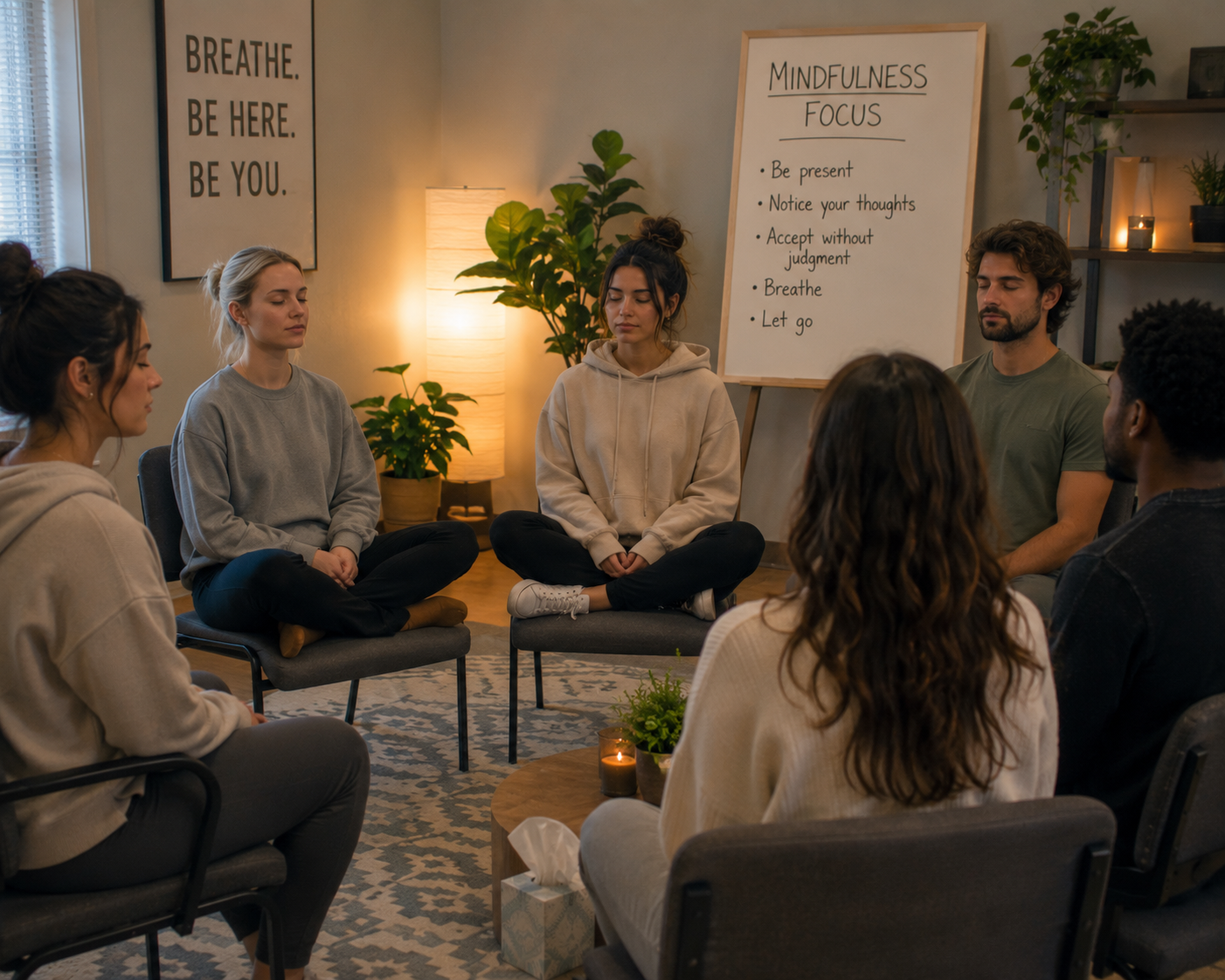
Why Mindfulness Is Becoming More Popular in Recovery Programs
Recovery is about much more than simply stopping the use of drugs or alcohol. It involves learning healthier ways to cope with stress, manage emotions, rebuild relationships, and navigate everyday challenges without turning to substances. As treatment approaches continue to evolve, one practice has become increasingly common in addiction recovery programs: mindfulness.
Once viewed as a niche wellness practice, mindfulness is now supported by a growing body of research and has become a valuable tool in many evidence-based treatment programs. It helps individuals become more aware of their thoughts, emotions, and cravings without immediately reacting to them. For many people in recovery, this ability can make a meaningful difference in maintaining long-term sobriety.
While mindfulness is not a cure for addiction, it can be a powerful complement to therapy, support groups, medication-assisted treatment, and other recovery services.
What Is Mindfulness?
Rather than becoming caught up in worries about the future or regrets about the past, mindfulness encourages individuals to observe their thoughts, emotions, and physical sensations with curiosity and acceptance.
Mindfulness can be practiced in many ways, including:
- Deep breathing exercises
- Guided meditation
- Body scan exercises
- Mindful walking
- Journaling
- Yoga
- Mindful eating
The goal isn’t to eliminate difficult thoughts or emotions. Instead, mindfulness teaches people how to respond to them in healthier, more intentional ways.
Why Mindfulness Works in Recovery
Addiction often involves acting on impulses automatically. Stress, anxiety, loneliness, or certain environments may trigger cravings that lead someone to use substances without fully recognizing what is happening.
Mindfulness helps interrupt that automatic cycle.
Instead of reacting immediately, individuals learn to pause, recognize what they are feeling, and make a more thoughtful decision about how they want to respond.
Over time, this increased awareness can strengthen emotional regulation and reduce impulsive behaviors that contribute to relapse.
Managing Cravings More Effectively
Cravings are a normal part of recovery, especially during the early stages of sobriety.
Many people fear that once a craving begins, relapse is inevitable. Mindfulness offers a different perspective.
Rather than fighting or ignoring cravings, mindfulness teaches individuals to acknowledge them without acting on them. They learn that cravings rise, peak, and eventually pass if they are not reinforced by substance use.
Mindfulness techniques can help people:
- Notice cravings without panic
- Reduce impulsive reactions
- Stay focused on recovery goals
- Tolerate uncomfortable emotions
- Build confidence in handling triggers
As individuals gain experience using these skills, cravings often become less overwhelming.
Reducing Stress and Anxiety
Stress is one of the most common relapse triggers.
Whether it’s work pressures, financial concerns, relationship conflicts, or everyday responsibilities, unmanaged stress can increase the desire to return to old coping habits.
Mindfulness activates the body’s relaxation response, helping reduce physical tension and calm the nervous system.
Regular mindfulness practice has been associated with:
- Lower stress levels
- Reduced anxiety
- Improved emotional regulation
- Better concentration
- Greater resilience during difficult situations
Learning how to manage stress in healthy ways can significantly strengthen long-term recovery.
Becoming More Aware of Emotional Triggers
Mindfulness encourages individuals to recognize these emotions early rather than suppressing or avoiding them.
For example, someone may begin noticing that they consistently experience cravings after arguments, during periods of loneliness, or when feeling overwhelmed at work.
This increased self-awareness allows people to develop healthier coping strategies before emotions become overwhelming.
Improving Emotional Regulation
One of the biggest challenges during recovery is learning how to manage emotions without relying on substances.
Mindfulness doesn’t eliminate difficult emotions, but it helps people experience them without becoming consumed by them.
Instead of reacting impulsively, individuals learn to:
- Pause before responding
- Identify what they are feeling
- Accept emotions without judgment
- Choose healthier coping skills
- Regain emotional balance more quickly
These skills often improve relationships, decision-making, and overall emotional well-being.
Better Sleep and Improved Focus
Many individuals entering recovery struggle with poor sleep and difficulty concentrating.
Racing thoughts, anxiety, and lingering stress can make it difficult to relax at the end of the day.
Practicing mindfulness before bedtime may help quiet the mind and promote better sleep habits. Some people also find that mindfulness improves focus, making it easier to stay engaged during therapy sessions, support groups, work, or school.
Although improvements may happen gradually, consistent practice often leads to noticeable changes over time.
Mindfulness Supports Long-Term Recovery
Recovery is a lifelong process that requires ongoing self-awareness.
Mindfulness helps individuals stay connected to the present instead of becoming overwhelmed by past mistakes or future worries.
As mindfulness becomes part of everyday life, many people begin noticing positive changes beyond sobriety itself.
Benefits may include:
- Greater patience
- Improved communication
- Increased self-confidence
- Healthier relationships
- Better stress management
- Stronger emotional resilience
- Increased appreciation for everyday life
These improvements support recovery while also contributing to overall mental wellness.
Mindfulness Works Best Alongside Other Treatments
Although mindfulness offers many benefits, it is most effective when combined with comprehensive addiction treatment.
Recovery programs often incorporate mindfulness alongside:
- Individual therapy
- Group counseling
- Cognitive Behavioral Therapy (CBT)
- Medication-assisted treatment when appropriate
- Family therapy
- Relapse prevention planning
- Peer support groups
This combination addresses both the emotional and behavioral aspects of addiction while giving individuals multiple tools for maintaining recovery.
Getting Started Is Simpler Than You Think
Many people assume mindfulness requires long meditation sessions or years of practice.
In reality, even a few minutes each day can be beneficial.
Simple ways to begin include:
- Taking five slow, deep breaths before starting your day
- Spending a few minutes focusing on your surroundings during a walk
- Paying attention to each bite during a meal
- Practicing a short guided meditation before bed
- Pausing to notice your thoughts before reacting during stressful moments
Like any skill, mindfulness becomes easier and more effective with consistent practice.
Final Thoughts
Mindfulness has become increasingly popular in recovery programs because it helps individuals slow down, recognize cravings, manage stress, and respond to difficult emotions in healthier ways. Rather than trying to eliminate uncomfortable thoughts or feelings, mindfulness teaches people how to experience them without allowing them to control their actions.
At Georgia Addiction Treatment Center, we understand that lasting recovery requires more than overcoming physical dependence. Our comprehensive treatment programs incorporate evidence-based therapies, practical coping strategies, and holistic approaches like mindfulness to help individuals build healthier, more fulfilling lives. By addressing the emotional, mental, and physical aspects of addiction, we help our clients develop the tools they need for long-term success.
If you or someone you love is struggling with addiction or co-occurring mental health concerns, call Georgia Addiction Treatment Center today at 855-952-3546 to learn more about our personalized treatment programs and begin your journey toward lasting recovery.