Why More People Are Experiencing Health Anxiety in 2026
Health anxiety is not a new phenomenon, but mental health professionals are seeing increasing numbers of individuals reporting excessive worry about their physical health. In 2026, many people find themselves constantly monitoring symptoms, searching for medical information online, worrying about serious illnesses, and feeling overwhelmed by fears about their well-being. While concern for one’s health is normal and often beneficial, health anxiety occurs when those concerns become persistent, excessive, and disruptive to daily life.
Several factors have contributed to the growing prevalence of health anxiety in recent years. Advances in technology, greater access to health information, increased awareness of medical conditions, social media influences, and ongoing stressors have all played a role. While access to information can empower individuals to make informed decisions about their health, it can also fuel excessive worry and create a cycle of anxiety that becomes difficult to break.
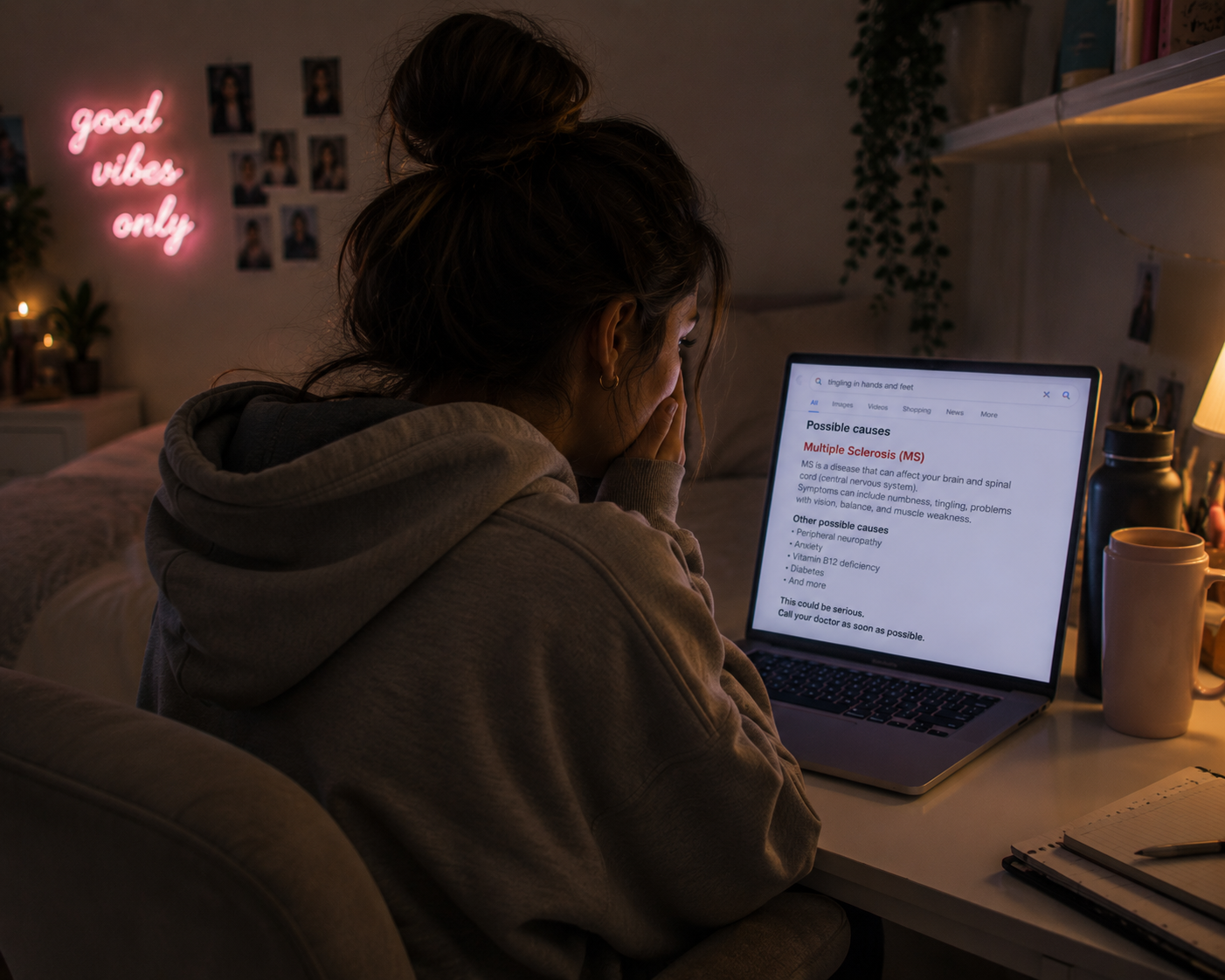
One of the biggest contributors to health anxiety in 2026 is the constant availability of medical information. With smartphones and internet access available almost everywhere, individuals can search symptoms within seconds. While this convenience has many benefits, it also increases the likelihood of catastrophizing normal bodily sensations. A minor headache may quickly lead someone down an online rabbit hole of worst-case scenarios, causing unnecessary fear and distress.
Many people have experienced the phenomenon commonly known as “cyberchondria,” where online health searches increase rather than reduce anxiety. Individuals may begin searching for reassurance but end up finding alarming information that convinces them something serious is wrong. As anxiety increases, they conduct additional searches, creating a cycle that reinforces fear and uncertainty.
Social media has also significantly influenced health anxiety. Platforms are filled with personal stories about illnesses, medical journeys, rare diagnoses, and wellness trends. While many of these stories are intended to educate or inspire, constant exposure to health-related content can make serious illnesses feel more common than they actually are. Algorithms often show users more of the content they engage with, which can further increase exposure to anxiety-provoking material.
For individuals already prone to anxiety, seeing repeated discussions about diseases, symptoms, and medical conditions can heighten fears about their own health. They may begin comparing their experiences to those they see online, interpreting normal physical sensations as signs of serious illness.
The lasting effects of the COVID-19 pandemic continue to influence health anxiety as well. Even years later, many people remain more aware of symptoms, illness risks, and health-related uncertainties. The pandemic taught individuals to pay closer attention to physical symptoms, which was often necessary for safety. However, for some people, this heightened vigilance never fully subsided.
As a result, many individuals continue monitoring their bodies more closely than they did before the pandemic. Minor symptoms that may have once gone unnoticed can now trigger significant concern. While awareness is important, excessive monitoring can increase anxiety and make normal bodily fluctuations feel threatening.
Another factor contributing to health anxiety is the growing conversation surrounding wellness and preventative health. Society has become increasingly focused on optimization, longevity, nutrition, fitness, and disease prevention. While these trends can encourage healthier lifestyles, they can sometimes create pressure to achieve perfect health.
Many individuals feel responsible for controlling every aspect of their well-being. They may become preoccupied with diet, supplements, exercise routines, sleep tracking, wearable health devices, and biometric data. While these tools can provide useful information, they can also lead some individuals to become overly focused on monitoring their health.
Wearable technology has become particularly influential. Smartwatches and fitness trackers can monitor heart rate, sleep quality, oxygen levels, activity levels, and other health metrics. While these devices offer valuable insights, they can also increase anxiety for individuals who frequently check their data or become alarmed by normal fluctuations.
For example, a temporary increase in heart rate caused by stress, caffeine, exercise, or excitement may be interpreted as a medical problem. This heightened awareness can cause individuals to become hyperfocused on bodily sensations that would otherwise be ignored.
Stress itself is another major contributor to health anxiety. Chronic stress affects both the mind and body in significant ways. It can cause headaches, muscle tension, digestive issues, dizziness, fatigue, heart palpitations, and other physical symptoms. Individuals experiencing these stress-related symptoms may worry that they indicate a serious medical condition.
Ironically, anxiety often produces physical sensations that mimic illness. Someone experiencing health anxiety may notice a racing heart, chest tightness, nausea, shortness of breath, or dizziness and interpret these sensations as evidence that something is medically wrong. The resulting fear increases anxiety, which intensifies the symptoms, creating a self-reinforcing cycle.
Mental health challenges such as generalized anxiety disorder, panic disorder, obsessive-compulsive disorder (OCD), and depression can also increase vulnerability to health anxiety. Individuals who struggle with uncertainty often find health-related fears particularly difficult because many medical concerns involve unknowns that cannot be completely eliminated.
Perfectionism can further fuel health anxiety. People who hold themselves to high standards often seek certainty and control. When it comes to health, complete certainty is rarely possible. No amount of medical testing, symptom checking, or reassurance can guarantee that future health problems will never occur. For perfectionists, this uncertainty can feel intolerable and may lead to repeated attempts to seek reassurance.
Reassurance-seeking is one of the most common behaviors associated with health anxiety. Individuals may repeatedly ask family members, friends, doctors, or online communities whether they are okay. While reassurance may provide temporary relief, it often strengthens anxiety over time because it teaches the brain that the feared outcome remains a possibility that requires constant checking.
Avoidance behaviors can also develop. Some individuals avoid medical appointments because they fear receiving bad news. Others become preoccupied with frequent doctor visits, repeated testing, or constant monitoring of symptoms. Both patterns can interfere with daily functioning and contribute to ongoing distress.
The emotional toll of health anxiety can be substantial. Constant worrying about illness can affect concentration, relationships, sleep quality, work performance, and overall quality of life. Individuals may find themselves spending significant amounts of time thinking about symptoms, researching medical conditions, or imagining worst-case scenarios.
Fortunately, health anxiety is highly treatable. Cognitive behavioral therapy (CBT) has been shown to be particularly effective in helping individuals challenge catastrophic thinking patterns and reduce reassurance-seeking behaviors. Therapy can help people develop healthier ways of responding to uncertainty while reducing excessive symptom monitoring.
Mindfulness practices can also be beneficial. Rather than constantly scanning for signs of illness, mindfulness teaches individuals to observe thoughts and bodily sensations without immediately assigning threatening meanings to them. This approach can help break the cycle of fear and hypervigilance.
Limiting unnecessary online symptom searches can also make a significant difference. While medical information can be valuable, excessive searching often increases anxiety rather than providing reassurance. Learning to tolerate uncertainty without immediately seeking answers can support long-term recovery.
It is important to remember that experiencing occasional concerns about health is completely normal. The goal is not to ignore symptoms or avoid medical care when needed. Instead, the goal is to develop a balanced approach that allows individuals to care for their health without becoming consumed by fear.
As awareness of mental health continues to grow, understanding health anxiety becomes increasingly important. By recognizing the factors that contribute to health-related fears and seeking appropriate support when needed, individuals can reduce anxiety, improve their quality of life, and build a healthier relationship with both their physical and emotional well-being.
Frequently Asked Questions
What is health anxiety?
Health anxiety involves excessive worry about having or developing a serious illness, even when there is little or no medical evidence to support those fears.
Why is health anxiety becoming more common?
Increased access to health information, social media exposure, wearable health technology, chronic stress, and ongoing health awareness have all contributed to rising health anxiety.
What is cyberchondria?
Cyberchondria refers to increased anxiety caused by repeatedly searching online for medical information and symptoms.
Can anxiety cause physical symptoms?
Yes. Anxiety can cause headaches, dizziness, muscle tension, digestive issues, rapid heartbeat, fatigue, chest tightness, and many other physical sensations.
How is health anxiety treated?
Treatment often includes cognitive behavioral therapy (CBT), mindfulness practices, stress management techniques, and reducing excessive reassurance-seeking behaviors.
If you or a loved one are struggling with addiction or mental health issues, please give us a call today at 855-952-3546.