Recovery Housing in Atlanta: Sober Living Options After Rehab
Leaving rehab can feel exciting, but it can also feel overwhelming. Many people finish treatment feeling motivated to stay sober, only to realize that returning immediately to old environments, unhealthy friendships, or stressful living situations can make recovery much harder. That is why recovery housing and sober living homes have become such an important part of long-term addiction recovery across Atlanta.
Sober living homes provide structured, supportive environments where individuals can continue rebuilding their lives after completing detox or rehab. These homes help bridge the gap between treatment and fully independent living, giving people the chance to strengthen healthy habits while staying accountable.
What Is a Sober Living Home?
Common sober living guidelines include:
- Remaining drug and alcohol free
- Participating in recovery meetings
- Following house curfews
- Completing chores and responsibilities
- Attending therapy or outpatient treatment
- Maintaining respectful behavior with other residents
Unlike inpatient rehab, sober living homes typically allow residents more freedom to work, attend school, exercise, and rebuild normal daily routines while still having support nearby.
Why Recovery Housing Matters
One of the biggest challenges after rehab is adjusting back into everyday life. Many people leave treatment feeling confident, but triggers can quickly appear once they return home.
Stress, loneliness, toxic relationships, and access to substances can all increase the risk of relapse. Recovery housing helps create distance from those triggers while giving residents a stable environment focused on sobriety.
For many people, sober living provides:
- Accountability
- Structure
- Peer support
- Stability
- Reduced exposure to substances
- Time to rebuild confidence
Having people around who understand recovery can make a major difference during difficult moments.
Atlanta’s Growing Recovery Community
Atlanta continues to see growing demand for addiction treatment and long-term recovery support services. As awareness around addiction and mental health increases, more people are recognizing that recovery is an ongoing process rather than a quick fix.
Recovery housing has become an important part of that process. Many sober living communities throughout the Atlanta area work closely with outpatient programs, therapists, recovery coaches, and support groups to help residents maintain progress after treatment.
This type of environment can help people focus on long-term healing instead of simply getting through each day.
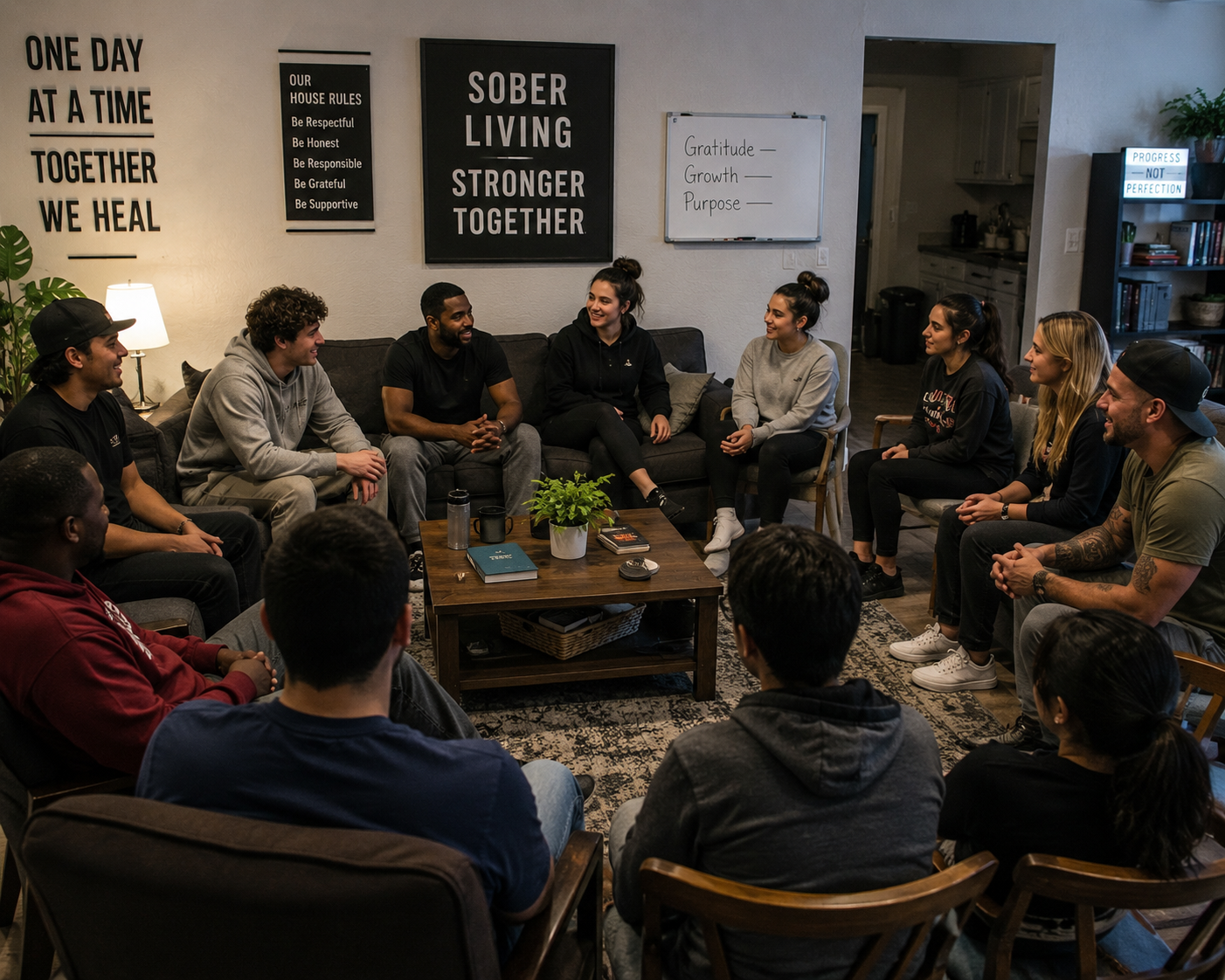
The Benefits of Peer Support
That support can help reduce feelings of shame and isolation that often come with addiction. Living alongside others in recovery may also encourage honesty, motivation, and accountability.
Many residents build friendships that continue long after they leave sober living housing. These relationships can become an important part of maintaining long-term sobriety.
Building Healthy Routines
Addiction often creates chaos and instability in daily life. Recovery housing helps people reestablish healthy structure and habits.
Residents are encouraged to focus on things like:
- Sleep schedules
- Exercise and wellness
- Employment goals
- Financial responsibility
- Therapy participation
- Time management
- Healthy coping skills
Developing routines may sound simple, but consistency can play a huge role in relapse prevention and emotional stability.
Sober Living Is Different for Everyone
Some people stay in sober living homes for a few months, while others may benefit from longer-term recovery housing. There is no single timeline that works for everyone.
The right environment depends on factors like:
- Length of sobriety
- Mental health needs
- Family support
- Employment situation
- Previous relapse history
- Recovery goals
What matters most is finding a stable environment that supports long-term healing and growth.
Recovery Takes Time
One of the most important things people learn after rehab is that recovery is a process, not a finish line. Healing physically and emotionally takes time, patience, and support.
Recovery housing can provide a safe place for people to continue growing while learning how to manage life without drugs or alcohol. Across Atlanta, sober living communities continue helping individuals build healthier futures one day at a time.
FAQ
What is the purpose of a sober living home?
Sober living homes help people maintain sobriety after rehab by providing structure, accountability, and a substance-free environment.
Do sober living homes have rules?
Yes. Most sober living homes require residents to remain sober, follow curfews, attend meetings, and contribute to household responsibilities.
Can you work while living in sober housing?
In many cases, yes. Most sober living programs encourage residents to work, attend school, or rebuild life responsibilities while staying sober.
How long do people usually stay in sober living?
The length varies depending on individual recovery needs. Some stay for a few months, while others remain longer for added support and stability.
Is sober living the same as rehab?
No. Rehab provides intensive treatment, while sober living offers a supportive recovery-focused environment after treatment has ended.
If you or a loved one are struggling with addiction or mental health issues, please give us a call today at 855-952-3546.