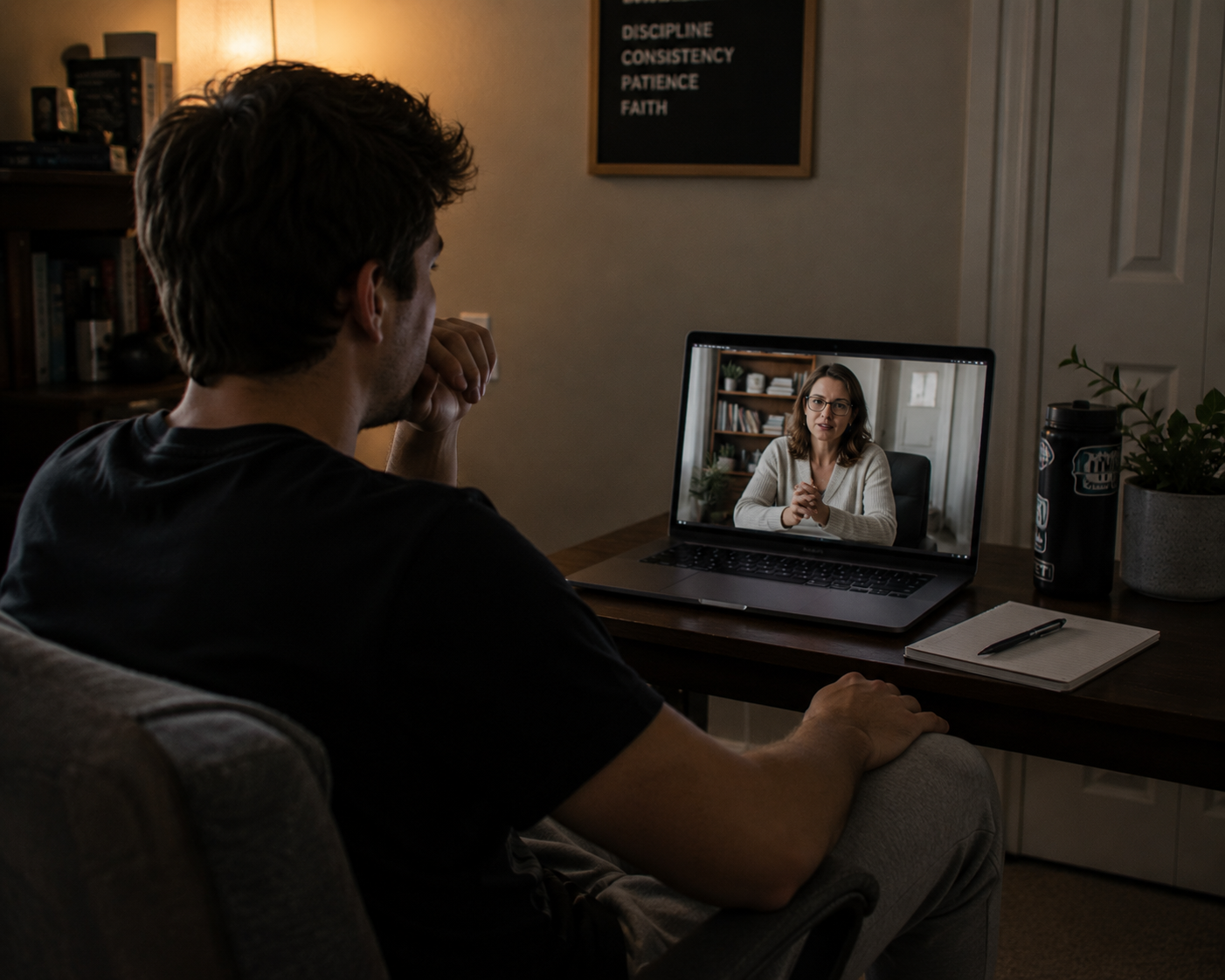
Telehealth Therapy in 2026: Is It as Effective as In-Person Care?
Over the past few years, telehealth therapy has gone from being a temporary solution to becoming one of the most common ways people receive mental health care. In 2026, virtual therapy is no longer considered “the backup option.” For many people, it has become the preferred way to access support for anxiety, depression, trauma, addiction, and everyday stress.
For many people, the answer is yes.
Telehealth has transformed the mental health world by making therapy more accessible, flexible, and convenient for people who may not otherwise seek help. Whether someone is struggling with anxiety, burnout, depression, trauma, or substance abuse, virtual therapy has become a major tool in helping people receive support from wherever they are.
Why Telehealth Therapy Has Become So Popular
Life in 2026 moves fast. Between work schedules, school, parenting, traffic, and constant responsibilities, many people struggle to make time for in-person appointments. Telehealth removes many of those obstacles.
With virtual therapy, people can attend sessions from:
- Their home
- Their office
- Their dorm room
- Their car during lunch breaks
- While traveling
All they need is a phone, computer, or tablet with internet access.
Telehealth has also helped people living in rural areas or places with limited mental health resources connect with licensed professionals more easily.
Is Online Therapy Actually Effective?
People commonly use telehealth therapy for:
- Anxiety disorders
- Depression
- PTSD
- Stress and burnout
- Relationship struggles
- Panic attacks
- Grief and loss
- Addiction recovery support
One major advantage is comfort. Many people feel safer opening up from their own environment instead of sitting in a traditional office setting. Being in a familiar space can reduce anxiety and make conversations feel more natural.
Consistency is another huge benefit. When therapy becomes easier to attend, people are more likely to stick with treatment and continue making progress.
The Biggest Benefits of Telehealth Therapy
Convenience
Convenience is one of the main reasons telehealth continues to grow. Virtual sessions eliminate commuting, traffic, parking issues, and long waiting rooms.
For busy adults, college students, and parents, this flexibility can make a huge difference.
Increased Privacy
Some people avoid therapy because they fear stigma or embarrassment. Telehealth allows clients to receive care privately from home without worrying about running into someone at a clinic.
Better Access to Specialists
Virtual care allows people to work with therapists outside of their immediate area. This can help individuals find specialists for:
- Trauma therapy
- Addiction counseling
- Couples counseling
- Eating disorders
- PTSD
- Anxiety disorders
Instead of settling for limited local options, people now have access to a wider range of professionals.
Greater Consistency in Recovery
Mental health and addiction recovery require consistency. Telehealth makes it easier for people to stay connected to treatment even during stressful or busy periods of life.
Missing fewer appointments can lead to stronger long-term progress.
When In-Person Therapy May Still Be Better
Even though telehealth works extremely well for many people, in-person treatment still has important advantages in certain situations.
Face-to-face care may be better for individuals who:
- Are experiencing severe psychiatric symptoms
- Need inpatient treatment or medical detox
- Feel disconnected during virtual conversations
- Do not have a safe or private place at home
- Need hands-on behavioral or medical support
For people in crisis, higher levels of care may still be necessary. Telehealth is a powerful tool, but it is not always the perfect fit for every situation.
Telehealth and Addiction Recovery
Telehealth has become especially important in addiction treatment programs.
Many recovery services now offer:
- Virtual individual therapy
- Online group counseling
- Family therapy sessions
- Psychiatric appointments
- Recovery coaching
- Relapse prevention support
This flexibility allows people to continue receiving help while balancing work, school, or family responsibilities.
For many individuals, virtual treatment removes the fear and inconvenience that once stopped them from seeking help.
The Human Connection Still Matters
Some people worry that virtual therapy feels less personal than in-person care. While everyone is different, many therapists have adapted extremely well to online treatment.
Empathy, accountability, support, and connection can still exist through a screen.
At the end of the day, the most important thing is not whether therapy happens online or face-to-face. What matters most is that people actually receive consistent help and support.
The Future of Mental Health Care
Telehealth is likely here to stay.
In 2026, many mental health providers now use a hybrid approach that combines virtual and in-person care depending on the individual’s needs.
The biggest positive outcome is simple: more people are getting access to treatment.
Mental health struggles and addiction can affect anyone. Having more ways to receive support gives people a better chance to heal, recover, and improve their quality of life.
Frequently Asked Questions
Is telehealth therapy covered by insurance in 2026?
Many insurance plans now include coverage for telehealth mental health services, although coverage varies depending on the provider and plan.
Can telehealth therapy help with anxiety?
Yes. Virtual therapy is commonly used to help treat anxiety disorders, panic attacks, stress, and burnout.
Is online addiction counseling effective?
For many people, yes. Online addiction counseling can provide support, accountability, coping strategies, and relapse prevention tools.
What are the downsides of telehealth therapy?
Some people may struggle with technology, internet issues, or finding a private place for sessions. Others may simply prefer face-to-face interaction.
Is telehealth better than in-person therapy?
Neither option is automatically better for everyone. The best approach depends on the individual, their comfort level, and the type of support they need.
If you or a loved one are struggling with addiction or mental health issues, please give us a call today at 855-952-3546.