Trauma Recovery Services Growing in Atlanta
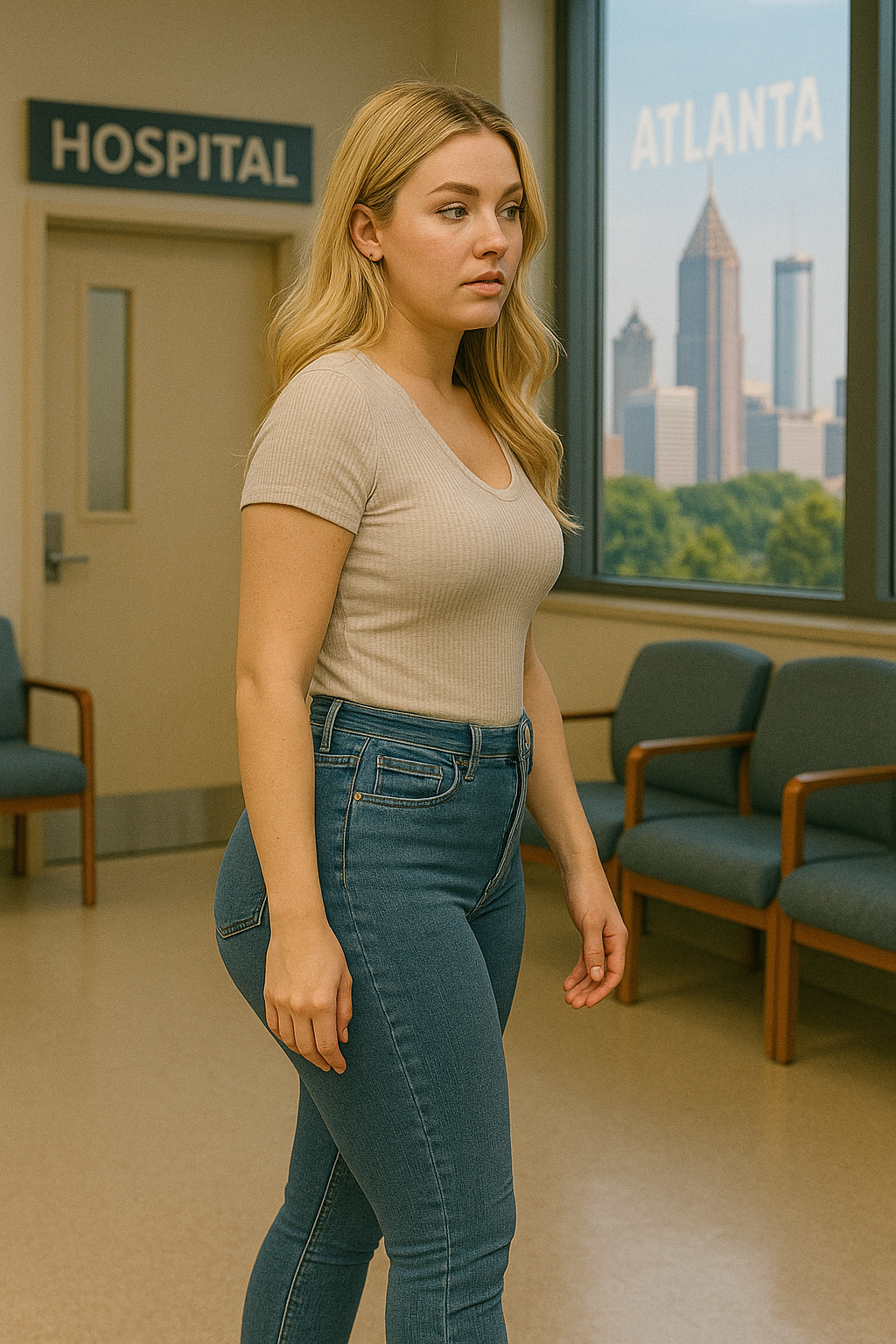
Atlanta is experiencing a powerful shift when it comes to mental health: trauma recovery services are growing, expanding, and becoming more accessible than ever before. This matters because trauma is more common than people think. It can come from sudden events, ongoing stress, family history, unhealthy relationships, community violence, or even the pressure of living in a fast-paced city. When trauma goes untreated, it can affect every part of life—your mood, sleep, relationships, physical health, and daily functioning. That’s why the growth of trauma-focused care in Atlanta is such an important and positive change.
One of the biggest reasons trauma recovery services are expanding is that more people are speaking openly about their experiences. For years, trauma was something people kept quiet about. But now, conversations about anxiety, PTSD, emotional wounds, and long-term stress are happening everywhere. As the stigma gets smaller, the demand for specialized support grows. Atlanta is responding by creating more opportunities for people to access care that truly understands trauma, instead of just treating the surface-level symptoms.
Another major reason these services are growing is because trauma affects the body and nervous system—not just the mind. Traditional talk therapy isn’t always enough on its own. Many people need approaches that focus on grounding, emotional regulation, body awareness, and healing old patterns that have been stored for years. As Atlanta becomes more aware of how trauma actually works, more therapists and mental-health programs are incorporating trauma-informed tools into their practices. This includes things like mindfulness work, emotional processing techniques, grounding exercises, and support groups focused on recovery.
Access is also starting to improve. In the past, many people struggling with trauma couldn’t find or afford consistent support. Now, more outpatient therapists, community wellness spaces, and mental-health programs are offering trauma-focused services at different price points. Some offer short-term structured programs, while others provide long-term ongoing support. Many also offer virtual sessions, which is a huge benefit for people who can’t always drive across Atlanta or don’t feel comfortable meeting in person yet.
Another reason trauma recovery options are expanding is because people need care that fits their background, identity, and life experiences. Atlanta is a diverse city, and trauma looks different for everyone. That means healing also needs to look different for everyone. More providers are now trained to support people from different communities, cultures, and ages. This creates safer and more comfortable spaces where people feel understood rather than judged or misunderstood.
The increase in trauma-focused services also helps prevent crises. When people have access to tools and support early, they are less likely to reach a point of emotional overwhelm. Trauma doesn’t get better by ignoring it, pushing through it, or waiting for it to disappear. It improves when people understand what they’re feeling, learn new coping skills, and feel supported by someone who knows how trauma impacts the mind and body. More trauma recovery options in Atlanta mean more people can get help before things spiral into anxiety, depression, burnout, or other serious issues.
Healing from trauma is a process, not a quick fix. It takes time, patience, and consistent support. But with Atlanta expanding its trauma recovery services, people now have more pathways toward feeling grounded, safe, and emotionally steady. Whether someone wants to process old pain, recover from a recent event, or simply understand themselves better, the city is growing in a direction that makes this support much more available.
Atlanta still has room to grow, especially when it comes to affordability and access across all neighborhoods. But the progress happening right now is meaningful. More trauma recovery services mean more people finding relief, more families healing together, and more individuals learning how to let go of what has been weighing them down for years.
If you or a loved one are struggling with addiction or mental health issues, please give us a call today at 855-952-3546