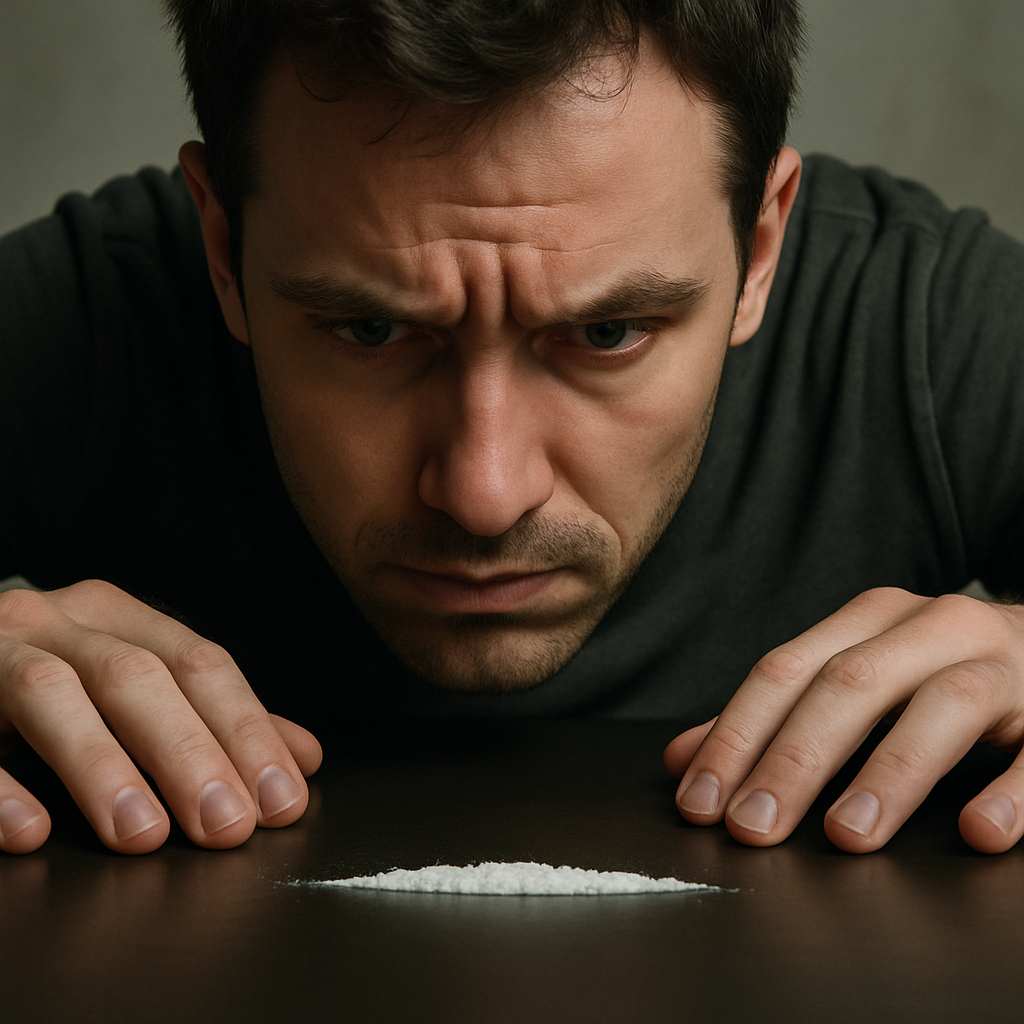
How Stimulant Abuse (Like Cocaine or Adderall) Triggers Anxiety
Stimulants are known for their ability to give you a burst of energy, focus, and alertness. That’s why medications like Adderall are prescribed for ADHD, and why drugs like cocaine are so often abused recreationally. But behind the “high” or performance boost, there’s a darker side—one that often involves intense anxiety, panic attacks, and emotional crashes.
Let’s talk about it.
The Highs That Lead to Lows
Stimulants work by flooding your brain with dopamine and other feel-good chemicals. That’s what causes the intense euphoria or sharp focus users often report. With drugs like cocaine, this rush is immediate and powerful. With Adderall, it may feel more controlled but still delivers a noticeable mental edge.
But that dopamine spike doesn’t come for free. The brain isn’t built to handle that kind of artificial rush over and over again. When the drug wears off, dopamine levels plummet. That sudden crash can leave a person feeling anxious, jittery, and emotionally unstable. The more frequently you use, the more intense this rebound anxiety becomes.
The Fight-or-Flight Mode Gets Stuck On
One of the reasons stimulant abuse triggers anxiety is because it keeps the brain in a state of high alert. Cocaine and Adderall stimulate the central nervous system—your body’s fight-or-flight command center. This means faster heart rate, rapid breathing, tight muscles, and heightened senses. Sounds great for a productivity sprint or night out, right?
But here’s the catch: that fight-or-flight state mimics what anxiety already feels like. When your heart is racing, your thoughts are speeding, and you feel like you can’t sit still, it’s hard to tell whether it’s the drug—or a panic attack. Over time, your body starts associating normal stress with full-blown anxiety.
Even worse, prolonged stimulant abuse can rewire your brain’s natural stress response. That means even when you’re sober, your anxiety might stick around.
From Alert to Alarmed: Anxiety After Quitting
You might think that stopping stimulant use would bring instant relief. Unfortunately, it doesn’t work that way. People often report heightened anxiety when they come off cocaine or Adderall. That’s because your brain is trying to recalibrate after being pushed into overdrive for so long.
Anxiety during withdrawal can feel overwhelming. You may experience racing thoughts, chest tightness, paranoia, or a sense that something terrible is about to happen—even if everything around you is calm. This phase can last days, weeks, or even longer depending on the severity of abuse.
Stimulants and Sleep: A Vicious Cycle
Another overlooked trigger of anxiety in stimulant users? Sleep—or lack thereof.
Both cocaine and Adderall suppress appetite and keep you awake for hours. For some, that sounds like a bonus. But sleep is essential for mental health. Without it, your brain loses its ability to regulate mood and process emotions. Anxiety becomes harder to manage. You might feel irritable, on edge, or unable to calm down even when you want to. Over time, chronic sleep deprivation from stimulant use only fuels the anxiety spiral.
It’s Not Just in Your Head
The worst part about stimulant-induced anxiety is that it can feel so real. And that’s because it is real—your brain and body are reacting to chemical overload. The chest pains, the racing heart, the feeling that everything’s falling apart—it’s not imaginary. But it’s also treatable.
Getting off stimulants and managing the anxiety that follows often requires professional help. Medical detox, therapy, and anxiety-specific care can help rebuild your emotional baseline. Because anxiety triggered by stimulant abuse isn’t just about calming down—it’s about healing the damage done.
Life Is Better Off the Rollercoaster
Living with anxiety from stimulant abuse feels like riding a rollercoaster with no brakes. But life doesn’t have to feel that way. Stepping off that ride means choosing stability over spikes, clarity over chaos, and peace over panic.
If you’re struggling with stimulant use or the anxiety it brings, know this: you’re not alone—and there’s a way forward.
If you or a loved one are struggling with addiction or mental health issues, please give us a call today at 855-952-3546