The Role of Faith Communities in Addiction Recovery Across Atlanta
Addiction recovery is not just about quitting drugs or alcohol. It is about rebuilding a life, finding purpose, restoring relationships, and learning how to move forward in a healthier way. Across Atlanta, faith communities have become an important part of that journey for many people struggling with substance abuse and mental health challenges.
Churches, recovery ministries, spiritual groups, and faith-based support systems continue to play a major role in helping individuals stay sober and feel less alone. While recovery looks different for everyone, many people find that spirituality, connection, and community support can help them stay grounded during difficult moments.
Why Community Matters in Recovery
One of the hardest parts of addiction is isolation. Many people struggling with substance abuse feel disconnected from friends, family, and even themselves. Shame and guilt often make it difficult to ask for help.
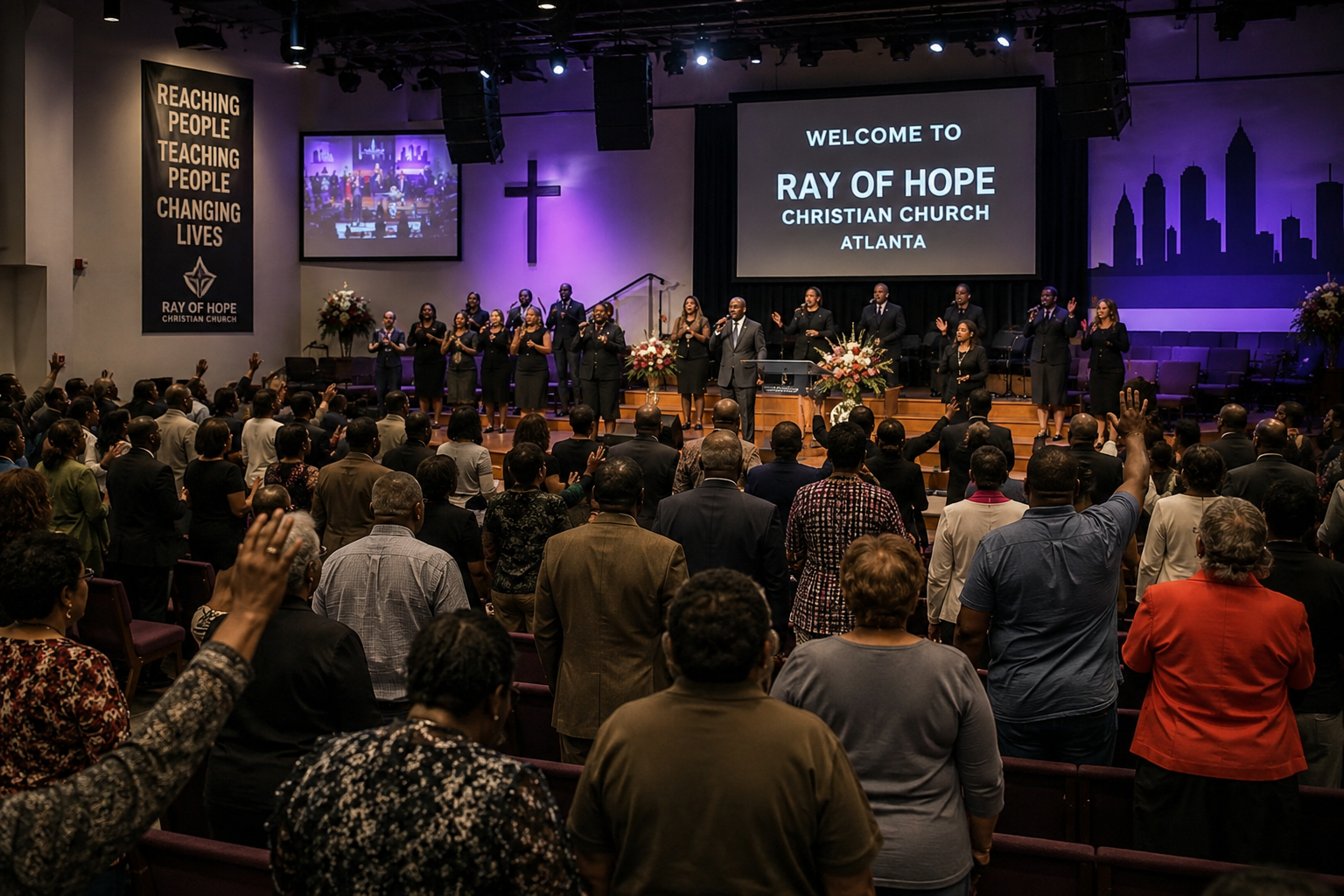
Faith communities can provide a sense of belonging during a time when someone may feel completely lost. Whether it is attending a weekly service, joining a recovery ministry, or simply talking with supportive people, these connections can help reduce loneliness and encourage accountability.
In many cases, people recovering from addiction say that having a supportive group around them gave them hope when they felt hopeless.
Faith and Purpose Go Hand in Hand
Recovery is not only physical. It is emotional, mental, and spiritual as well. Many individuals battling addiction struggle with questions about meaning, identity, and purpose.
Faith-based recovery programs often encourage people to reflect on their values and rebuild their lives around healthier choices. This can include:
- Practicing forgiveness
- Learning self-discipline
- Building healthy routines
- Finding hope during setbacks
- Reconnecting with loved ones
- Developing a stronger sense of purpose
For many people in recovery, faith becomes a source of strength during moments of temptation or emotional pain.
Atlanta’s Strong Faith Community Presence
Atlanta has long been known for its strong network of churches and community organizations. Many local faith groups host addiction support meetings, recovery events, counseling programs, and outreach services aimed at helping people who are struggling.
Some communities offer transportation assistance, sober living guidance, mentorship opportunities, meals, and emergency support for individuals trying to rebuild their lives after addiction. Others focus heavily on emotional support and peer connection.
This kind of environment can make a huge difference for someone who feels like they have nowhere else to turn.
Faith-Based Recovery Is Not One-Size-Fits-All
Not everyone approaches recovery through religion, and that is completely okay. Recovery works best when people find the support system that fits their personal needs and beliefs.
For some individuals, therapy and medical treatment may be the foundation of recovery. For others, spirituality becomes an important piece of long-term sobriety. Many people combine both approaches together.
Faith communities can work alongside professional treatment, counseling, and support groups to create a more complete recovery experience.
The Importance of Judgment-Free Support
A major misconception about faith communities is that they are judgmental toward people struggling with addiction. While experiences vary, many modern recovery-focused ministries work hard to create welcoming, compassionate spaces for healing.
Addiction affects people from every background, age group, and profession. Recovery support works best when people feel safe enough to be honest about their struggles without fear of shame.
Encouragement, understanding, and consistency can often help people stay motivated throughout the recovery process.
Helping Families Heal Too
Addiction rarely impacts just one person. Families often experience stress, anxiety, financial pressure, and emotional exhaustion while trying to help a loved one.
Recovery Is About Hope
One of the biggest lessons many people learn in sobriety is that recovery is possible, even after years of struggling. No matter how overwhelming addiction may feel, change can happen with the right support system and treatment plan.
Faith communities continue to play an important role in helping people find encouragement, stability, and hope during recovery journeys across Atlanta. While no single solution works for everyone, meaningful human connection can make a life-changing difference.
FAQ
Can faith help someone recover from addiction?
For many people, faith and spirituality can provide emotional strength, accountability, hope, and a sense of purpose during recovery.
Do you have to be religious to attend a faith-based recovery group?
Not always. Many faith-based recovery groups welcome anyone seeking support, regardless of their religious background.
Can faith-based recovery work alongside professional treatment?
Yes. Many people combine therapy, medical treatment, support groups, and spiritual guidance as part of a complete recovery plan.
Are families included in faith-based recovery programs?
Many communities offer support groups, counseling, and educational resources for families impacted by addiction.
Why is community important during sobriety?
Strong community support can reduce isolation, increase accountability, and provide encouragement during difficult moments in recovery.
If you or a loved one are struggling with addiction or mental health issues, please give us a call today at 855-952-3546.