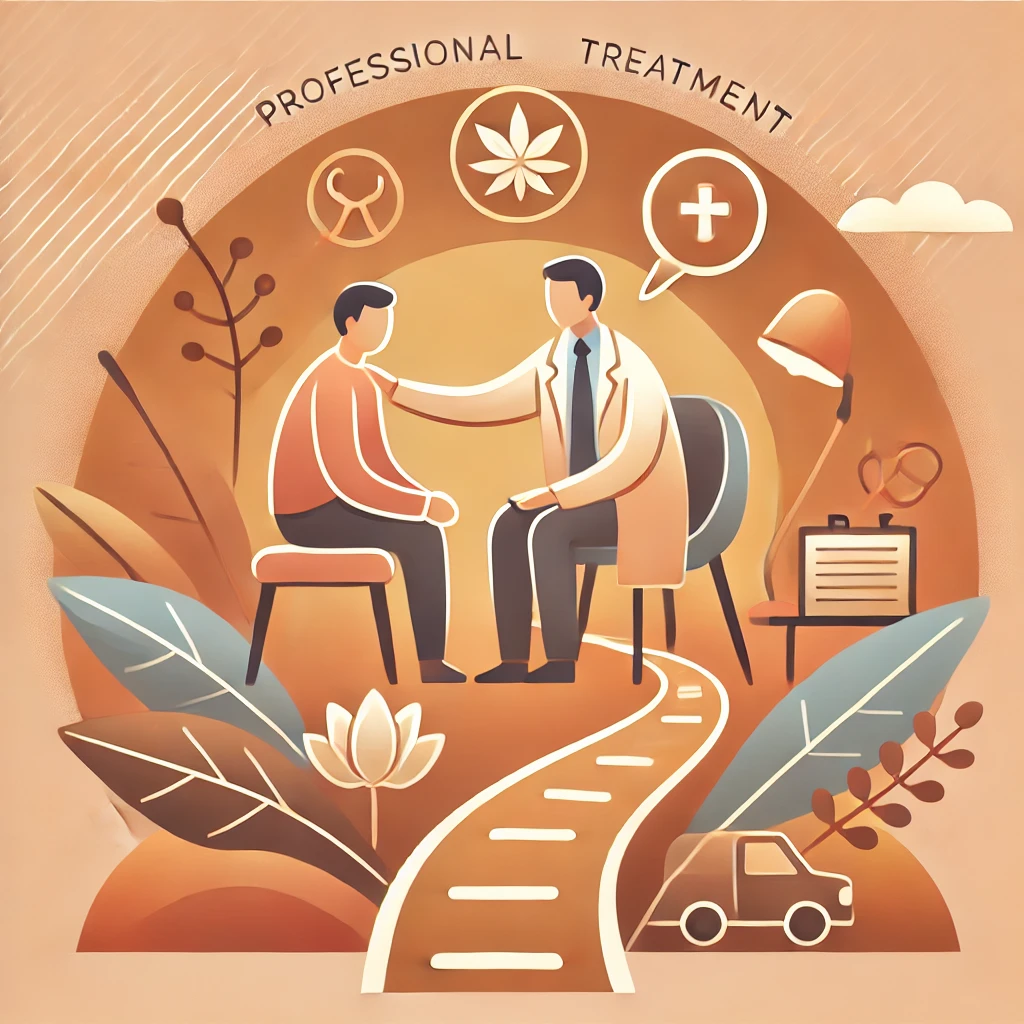
Overcoming addiction is one of life’s most challenging journeys, and while determination is crucial, professional treatment is often the key factor that makes lasting recovery possible. Addiction, whether to substances like drugs and alcohol or behaviors like gambling, affects the brain’s structure and function, making quitting alone extremely difficult. Professional addiction treatment provides the support, expertise, and structured environment necessary for effective and sustained recovery. Here’s why professional treatment is essential in the battle against addiction.
Understanding the Complexity of Addiction
Addiction is more than just a harmful habit—it’s a chronic disease that alters the brain’s chemistry and circuitry. These changes can lead to compulsive behavior, making it challenging to stop despite negative consequences. Professional treatment centers understand these complexities and provide care tailored to each individual’s unique needs. Trained professionals can accurately diagnose co-occurring mental health disorders, such as depression or anxiety, which often contribute to addiction.
Safe and Supervised Detoxification
One of the initial stages of recovery is detoxification, where the body clears itself of substances. Detox can trigger uncomfortable and sometimes dangerous withdrawal symptoms. Professional treatment centers offer medically supervised detoxification to manage symptoms safely, reducing discomfort and minimizing health risks. Medical supervision ensures that the process is both safer and more comfortable, setting a strong foundation for ongoing treatment.
Comprehensive Therapeutic Approaches
Professional treatment incorporates evidence-based therapies designed to address the root causes of addiction. These therapies include cognitive-behavioral therapy (CBT), dialectical behavior therapy (DBT), motivational interviewing, and group therapy sessions. CBT, for instance, helps individuals recognize and modify unhealthy thinking patterns, replacing them with healthier coping mechanisms. These therapeutic approaches empower individuals with the tools needed for sustained sobriety.
Structured Environment and Routine
Structure plays a critical role in recovery. Professional treatment programs offer structured routines that include therapy sessions, group meetings, physical activities, and structured downtime. This predictability helps individuals rebuild healthy habits and routines that can replace addictive behaviors. A structured environment also minimizes triggers and temptations, providing a safer space to heal and rebuild life skills.
Support and Community
Addiction often leads to isolation, making support a crucial element of recovery. Treatment centers provide a supportive community of peers who share similar struggles and goals. Group therapy and support groups, such as 12-step programs, create a sense of belonging and accountability, reducing feelings of loneliness and fostering connections that aid in long-term recovery.
Relapse Prevention Strategies
Relapse is common in recovery, but professional treatment equips individuals with relapse prevention strategies. Treatment programs teach individuals how to recognize triggers and cope with cravings, significantly reducing the likelihood of relapse. These tools are essential for maintaining sobriety, especially during stressful or challenging times.
Holistic Care and Life Skills
Professional treatment often includes holistic approaches such as nutrition counseling, exercise, mindfulness practices, and stress management techniques. These holistic methods help individuals heal physically, mentally, and emotionally. Additionally, many programs provide practical life skills training, such as financial management, employment assistance, and relationship building, helping individuals successfully reintegrate into society.
Aftercare and Continued Support
Recovery is an ongoing process, and professional treatment doesn’t end when you leave a facility. Comprehensive aftercare programs ensure ongoing support, offering continued counseling, support groups, and regular check-ins to help individuals navigate life post-treatment.
Seeking professional treatment is not a sign of weakness but a courageous and necessary step toward recovery. With the right support, comprehensive care, and expert guidance, overcoming addiction and reclaiming a healthy, fulfilling life becomes attainable.
If you or a loved one are struggling with addiction or mental health issues, please give us a call today at 855-952-3546