Impact on the Brain
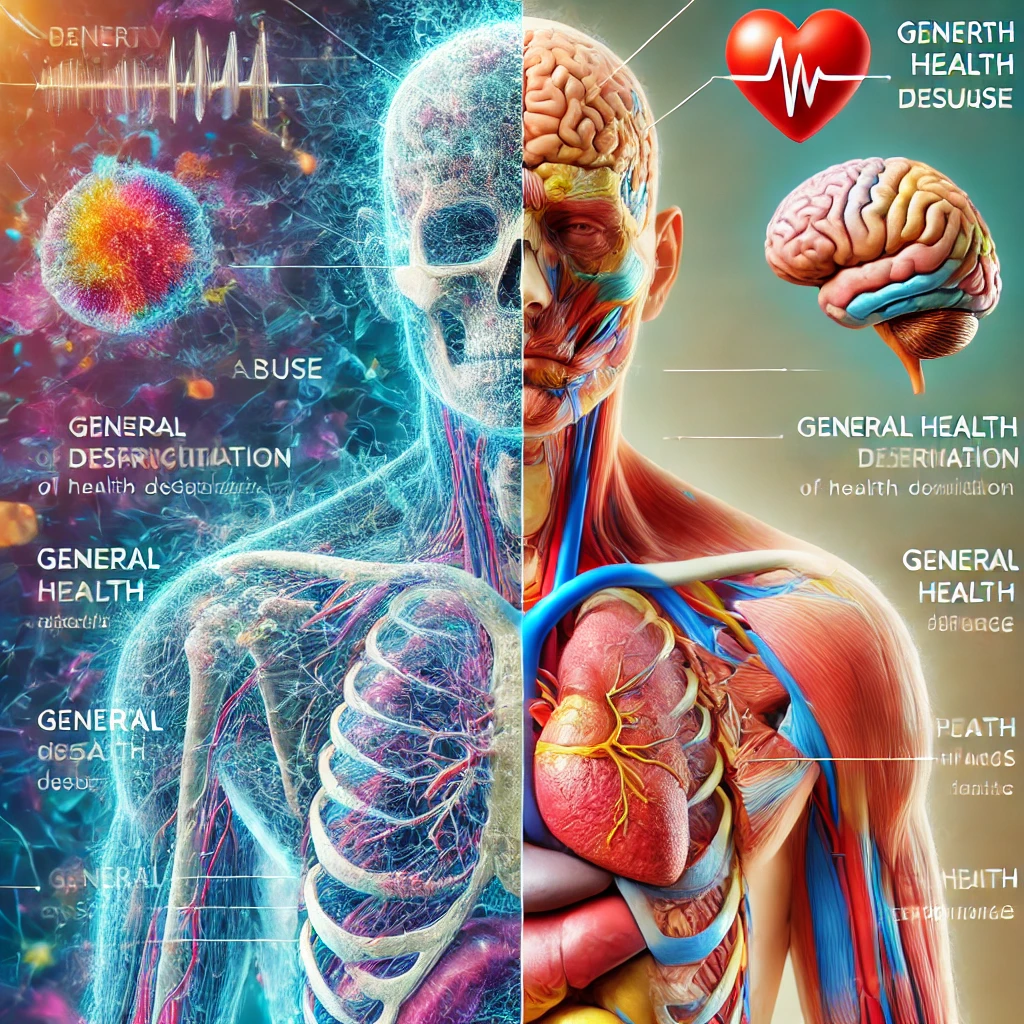
Methamphetamine’s impact on the brain is profound and multifaceted. When meth enters the bloodstream, it rapidly increases the release of dopamine, a neurotransmitter associated with pleasure, movement, and attention. This surge results in the intense high that users seek, but at a great cost. Chronic meth use leads to neurotoxicity, which damages brain cells responsible for producing dopamine and serotonin, another critical neurotransmitter.
Over time, this damage manifests as severe cognitive deficits, including memory loss, decreased attention span, and poor decision-making abilities. Users may experience emotional disturbances like anxiety, irritability, and mood swings, largely due to the drug’s impact on the brain’s limbic system, which regulates emotions.
Furthermore, methamphetamine use can cause structural changes in the brain. Studies using brain imaging have shown significant reductions in the volume of grey matter, which consists of neuron cell bodies and is essential for processing information. These changes can be linked to the emotional and cognitive problems observed in long-term users.
Impact on the Body
The physical effects of methamphetamine are equally alarming. Meth can cause a dramatic increase in heart rate and blood pressure, leading to cardiovascular problems such as heart attacks and strokes. Long-term use is also associated with severe dental problems, commonly known as “meth mouth,” where users experience tooth decay and gum disease leading to tooth loss.
Meth also has a profound effect on the user’s appearance. Chronic users often develop severe acne and sores from picking at their skin due to the hallucinations of insects crawling beneath it, a condition known as formication. Moreover, the drug can lead to malnutrition as it suppresses appetite, which compounds its physical toll, leaving users with a gaunt, skeletal appearance.
The immune system is not spared either. Methamphetamine compromises the body’s ability to fight off infections, making users more susceptible to diseases. Coupled with unsafe practices like needle sharing and unprotected sex, this raises the risk of contracting infectious diseases like HIV and hepatitis.
The Path to Recovery
Despite the grim outlook for those trapped in the cycle of addiction, recovery is possible. The first step in treating meth addiction involves detoxification, a medically supervised process to purge the drug from the body. Following detox, behavioral therapies like cognitive-behavioral therapy (CBT) and motivational incentives can be highly effective in helping individuals rebuild their lives and repair the brain damage wrought by meth.
Recovery also involves addressing the physical health problems caused by meth use. Comprehensive treatment plans may include dental care, nutritional support, and cardiovascular therapy to manage the damage to the heart and blood vessels.
The destructive impact of methamphetamine on the brain and body underscores the need for effective education and intervention strategies. Understanding the severe consequences of meth use can deter individuals from trying the drug and inspire those struggling with addiction to seek help. If you or someone you know is battling methamphetamine addiction, reaching out for professional help can be a critical first step towards recovery.
If you or a loved one are struggling with addiction or mental health issues, please give us a call today at 855-952-3546