The Dangers of Long-Term Alcohol Abuse
Alcohol, a fixture in social settings and celebrations, can also be a silent predator when its use becomes chronic. Long-term alcohol abuse poses severe risks to nearly every organ in the body, fundamentally altering life’s quality and longevity. This blog delves into the profound impacts prolonged alcohol consumption can have on health, relationships, and societal responsibilities.
1. Health Risks
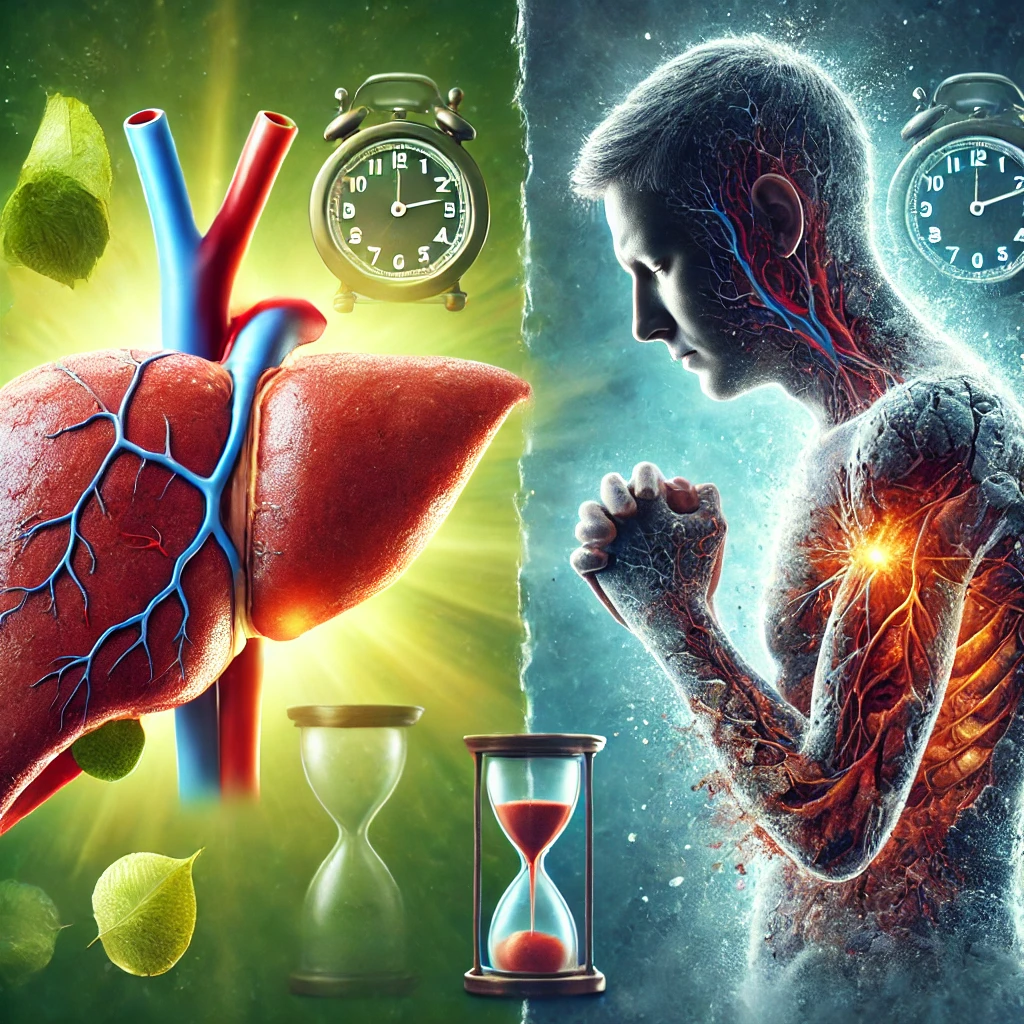
Long-term alcohol consumption can lead to devastating health conditions. Liver diseases such as cirrhosis and liver cancer are among the most severe consequences. The liver, burdened with detoxifying alcohol, eventually succumbs to the relentless onslaught, leading to scarring and impaired function. Alcohol also increases the risk of cardiovascular diseases, including hypertension and heart failure, by altering heart and blood vessel functions.
2. Neurological Impact
Alcohol’s effects on the brain are equally alarming. Chronic alcohol use can lead to cognitive declines, such as memory loss and diminished decision-making capabilities. It also increases the risk of developing mental health disorders, including depression and anxiety. Moreover, alcohol dependency can exacerbate the symptoms of existing mental health issues, trapping individuals in a vicious cycle of drinking to self-medicate, which in turn worsens their symptoms.
3. Social and Relationship Issues
The social ramifications of long-term alcohol abuse are profound. Relationships suffer as alcohol becomes a priority over family, friends, and professional commitments. This shift often leads to isolation, divorce, and strained familial relationships. In the workplace, chronic alcohol consumption can lead to decreased productivity, increased absenteeism, and ultimately job loss, which only feeds into the cycle of dependency.
4. Economic Cost
The economic impact of long-term alcohol abuse is staggering. It encompasses not only medical and legal costs but also lost productivity and potential. The financial strain can lead to significant life changes, such as loss of housing or inability to meet basic needs, further exacerbating the stress and driving the affected individual deeper into abuse.
5. Accidents and Legal Issues
Alcohol impairs judgment and coordination, significantly increasing the risk of accidents, particularly driving under the influence (DUI). DUIs can result in severe legal consequences, including fines, imprisonment, and a permanent record that can hinder future opportunities. Furthermore, alcohol can lead to aggressive behaviors and poor decision-making, increasing the likelihood of involvement in fights or criminal activities.
Understanding the risks associated with long-term alcohol abuse is crucial in recognizing the need for intervention and treatment. Awareness and education are vital tools in preventing alcohol abuse and helping those already affected. If you or someone you know is struggling with alcohol dependency, it’s important to seek professional help. Various resources are available to support recovery and provide the necessary care to reclaim a healthier, more fulfilling life away from alcohol.
Encouraging a dialogue about the dangers of alcohol, highlighting personal stories of recovery, and offering a pathway to help can transform lives and heal communities impacted by alcohol abuse. It’s not just about avoiding alcohol but about creating a supportive environment where recovering individuals can thrive.
If you or a loved one are struggling with addiction or mental health issues, please give us a call today at 855-952-3546