The Risks of Combining Ozempic with Alcohol
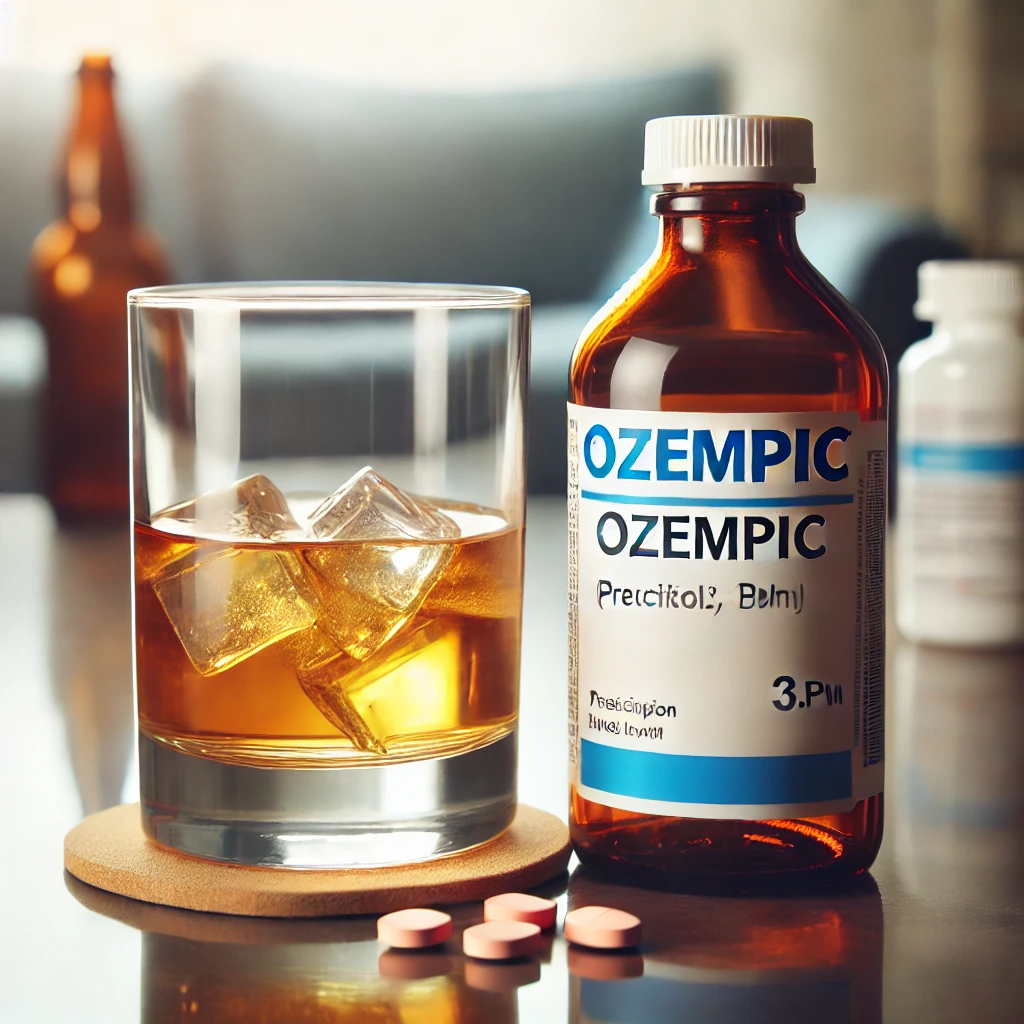
Ozempic (semaglutide) has become a popular medication for managing type 2 diabetes and even for weight loss. It works by helping to control blood sugar levels and reducing appetite. However, like any medication, it comes with its own set of guidelines for safe use. One of the important considerations is its interaction with alcohol. While many people enjoy a drink here and there, combining Ozempic with alcohol can lead to unintended and potentially harmful effects.
1. Increased Risk of Low Blood Sugar (Hypoglycemia)
One of the primary concerns when mixing alcohol with Ozempic is the risk of hypoglycemia, or low blood sugar. Ozempic works by enhancing insulin production and lowering blood sugar levels, which is beneficial for people with diabetes. However, when alcohol is introduced, it can cause blood sugar levels to drop too low, particularly if you haven’t eaten enough or are drinking on an empty stomach.
Alcohol itself can affect the liver’s ability to release glucose, which is necessary for maintaining healthy blood sugar levels. This effect can be particularly dangerous for individuals who are already on medications that lower blood sugar, such as Ozempic. Symptoms of hypoglycemia include dizziness, shaking, sweating, confusion, and even fainting. For people using Ozempic, the risk of these symptoms may be heightened with alcohol consumption.
2. Stomach Issues and Gastrointestinal Distress
Another common side effect of Ozempic is gastrointestinal distress, which can include nausea, vomiting, and diarrhea. Alcohol, on the other hand, can also irritate the stomach lining and worsen these symptoms. Combining the two substances can amplify stomach discomfort, leading to a more pronounced and uncomfortable experience. This can affect your ability to adhere to your Ozempic regimen or make it harder to manage your diabetes effectively.
3. Liver Function Concerns
The liver plays a crucial role in metabolizing both alcohol and medications, including Ozempic. Drinking alcohol in excess can put additional strain on the liver, affecting its ability to process both the medication and alcohol efficiently. This can potentially lead to liver damage over time, especially for people with pre-existing liver conditions.
Since Ozempic is metabolized in the liver, excessive drinking could result in altered drug effectiveness or increased side effects. It’s always a good idea to monitor your liver health and avoid combining alcohol with Ozempic when possible.
4. Dehydration and Electrolyte Imbalance
Both alcohol and Ozempic can contribute to dehydration. Alcohol acts as a diuretic, causing your body to lose fluids more quickly. On the other hand, Ozempic may cause nausea and vomiting, leading to fluid loss. When combined, the risk of dehydration is elevated, which can result in an imbalance of electrolytes in the body. Dehydration can cause fatigue, dizziness, muscle cramps, and headaches, and can complicate the management of your diabetes.
5. Impaired Judgment and Decision-Making
Alcohol impairs judgment and decision-making abilities, which can be particularly risky when managing a chronic condition like diabetes. For individuals on Ozempic, the ability to make informed decisions about food, medication doses, and physical activity may be compromised when alcohol is involved. This could lead to neglecting important aspects of diabetes management, potentially resulting in serious complications.
What You Should Do
To minimize the risks of combining Ozempic with alcohol, it’s important to follow these guidelines:
- Limit Alcohol Consumption: If you choose to drink, do so in moderation. This means no more than one drink per day for women and two drinks per day for men.
- Monitor Blood Sugar Levels: Check your blood sugar frequently, especially after drinking, to ensure it stays within a safe range.
- Eat Before Drinking: Avoid drinking alcohol on an empty stomach to help prevent hypoglycemia.
- Consult Your Doctor: Always talk to your healthcare provider about any concerns regarding alcohol and your medication regimen. They can provide personalized advice based on your health status.
While Ozempic is a powerful tool for managing type 2 diabetes and aiding in weight loss, it’s important to understand the risks of combining it with alcohol. Drinking alcohol while on Ozempic can lead to dangerous side effects, including low blood sugar, gastrointestinal distress, liver function issues, dehydration, and impaired decision-making. To stay safe, always moderate your alcohol intake and consult your healthcare provider before consuming alcohol while on this medication. Prioritizing your health is essential for both managing your diabetes and living a balanced life.
If you or a loved one are struggling with addiction or mental health issues, please give us a call today at 855-952-3546