Recovery from addiction or mental health challenges is a journey, not a one-size-fits-all solution. While traditional therapies like counseling and medication are incredibly important, holistic therapies such as yoga, art, and meditation have gained popularity as powerful tools in the recovery process. These therapies focus on healing the whole person—mind, body, and spirit—and they offer unique benefits that make the recovery journey more fulfilling.
Why Holistic Therapies Matter
Holistic therapies work alongside traditional treatments to address deeper emotional, physical, and spiritual needs. Addiction or mental health struggles often leave people feeling disconnected—from themselves, others, or even their purpose in life. Yoga, art, and meditation help rebuild those connections.
These therapies are non-invasive, accessible, and flexible, making them great for people at any stage of recovery. Let’s take a closer look at how each one works.
Yoga: Healing Through Movement
Yoga combines physical postures, breathing exercises, and mindfulness. It’s more than just stretching—it’s a way to calm the mind and strengthen the body.
For people in recovery, yoga can help in several ways:
- Reduces stress: Stress is a major trigger for relapse. Yoga teaches techniques to manage it in healthy ways.
- Improves focus: Yoga encourages staying present, which can help those struggling with anxiety or overthinking.
- Boosts physical health: Addiction and mental health issues can weaken the body. Yoga improves strength, flexibility, and balance.
Yoga classes for recovery are often tailored to meet the needs of beginners, so no experience is required. Over time, yoga becomes a practice people can rely on to feel more grounded and in control.
Art Therapy: Expressing Emotions
Art therapy gives people in recovery a creative outlet to process feelings they might not be able to put into words. This can include painting, drawing, sculpting, or even journaling.
Here’s why art therapy works:
- Encourages self-expression: Many people struggle to talk about their emotions, but creating art lets them share their feelings visually.
- Reduces negative emotions: Art has a calming effect and can help ease anger, sadness, or frustration.
- Builds confidence: Completing an art project, no matter how simple, can boost self-esteem and provide a sense of accomplishment.
Art therapy doesn’t require any artistic talent. The focus isn’t on creating masterpieces—it’s about the healing process and discovering new ways to express yourself.
Meditation: Finding Inner Peace
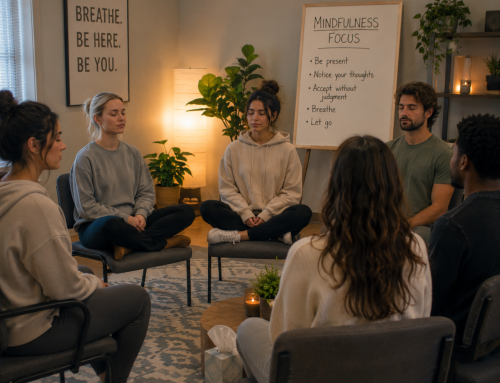
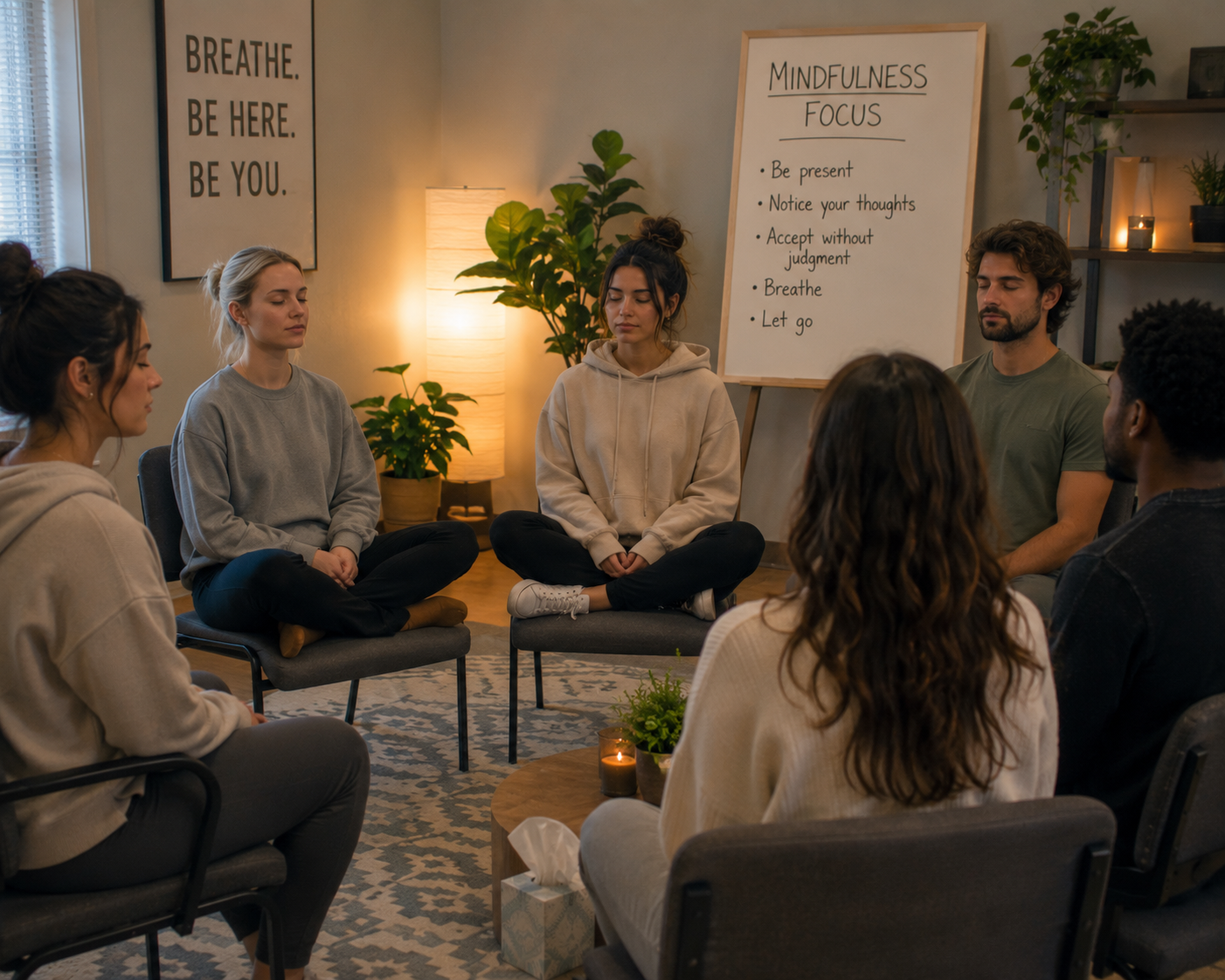
Meditation is the practice of quieting the mind and focusing inward. It’s especially powerful for people in recovery because it trains the brain to respond differently to stress and cravings.
Benefits of meditation include:
- Improved mental clarity: Meditation helps organize thoughts, making it easier to stay focused on recovery goals.
- Emotional regulation: It teaches you how to observe your feelings without being overwhelmed by them.
- Better sleep: Many people in recovery struggle with sleep issues, and meditation promotes relaxation.
Simple techniques like focusing on your breath or repeating a calming phrase (a mantra) can make meditation accessible, even for beginners.
Holistic Therapies as Part of a Bigger Plan
While holistic therapies are effective, they work best when combined with traditional treatments like therapy, support groups, or medication. They don’t replace medical advice, but they do provide extra tools to support recovery.
Many recovery centers now offer yoga, art therapy, and meditation as part of their programs because they recognize the benefits of a well-rounded approach. By trying these practices, individuals can explore what works best for them.
A New Perspective on Recovery
Holistic therapies like yoga, art, and meditation help people rediscover joy, creativity, and a sense of peace. They’re reminders that recovery isn’t just about stopping harmful behaviors—it’s about building a better, healthier, and happier life.
If you or a loved one are struggling with addiction or mental health issues, please give us a call today at 855-952-3546