Why Untreated Mental Health Disorders Often Lead to Addiction
Untreated mental health disorders and addiction often go hand in hand. It is not always because someone wants to make reckless choices or throw their life off track. A lot of the time, it starts with pain that has gone unaddressed for too long. When anxiety, depression, trauma, or other mental health struggles are left untreated, many people begin looking for relief anywhere they can find it. For some, that relief comes in the form of drugs or alcohol.
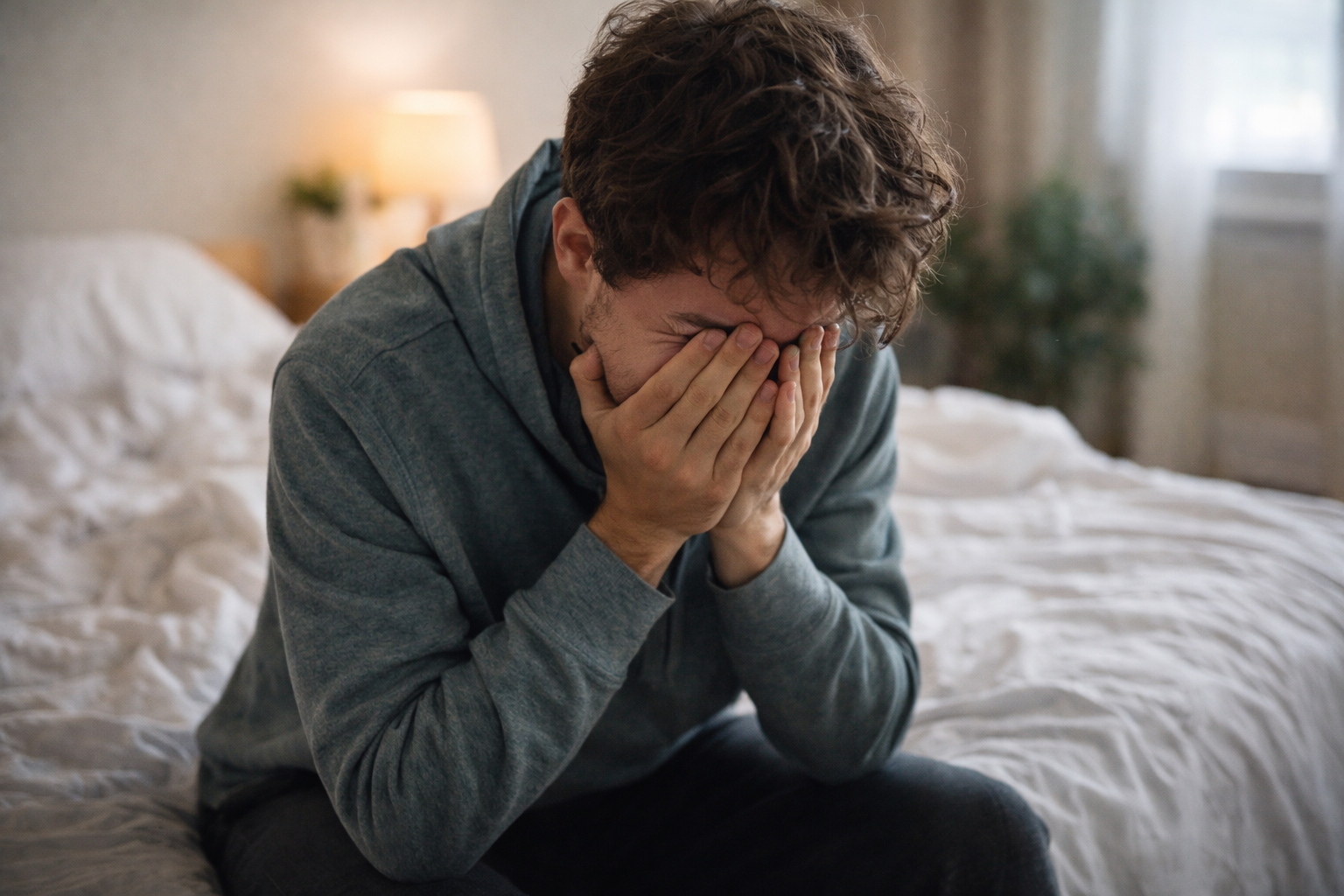
This usually does not happen overnight. It often begins with someone feeling overwhelmed, exhausted, numb, or emotionally stuck. They may be dealing with panic, sadness, racing thoughts, low self-worth, or memories they cannot escape. If they do not have the right support or treatment, substances can start to feel like a quick fix. Alcohol may seem to calm anxiety. Drugs may seem to boost mood, create energy, or help someone forget what they are carrying. At first, it can feel like it is working. That is what makes it so dangerous.
The problem is that substances do not actually treat mental health disorders. They only cover them up for a short time. Once the effects wear off, the original symptoms usually come back stronger. Anxiety can rebound harder. Depression can feel heavier. Sleep can get worse. Emotions can become more unstable. So the person uses again, hoping for the same relief, and the cycle keeps building from there.
This is one reason untreated mental health disorders so often lead to addiction. When someone is trying to manage emotional pain alone, self-medicating can start to feel like the only tool they have. The brain begins to associate substances with relief, even if that relief is temporary and harmful. Over time, occasional use can turn into dependence, and dependence can turn into addiction.
Depression is one common example. Someone living with untreated depression may feel hopeless, empty, isolated, or mentally drained. They may struggle to find joy in everyday life. Substances can seem appealing because they offer a brief escape or a short burst of feeling. But that escape comes at a price. Alcohol and many drugs can worsen depressive symptoms, increase impulsive behavior, and make it even harder for the brain to regulate mood.
Anxiety can lead people down a similar path. A person with untreated anxiety may constantly feel on edge, tense, or trapped in their own thoughts. They may have trouble relaxing, sleeping, or functioning in social situations. Alcohol or certain drugs can seem like a way to quiet the noise. The trouble is that relying on substances to feel calm teaches the brain to avoid building healthy coping skills. Eventually, the person may feel like they cannot function without using something to take the edge off.
Trauma is another major factor. People who have experienced abuse, loss, violence, or instability often carry deep emotional wounds. If trauma is never processed in a healthy way, it can show up as fear, anger, numbness, or constant emotional distress. Substances may become a way to block out memories or dull the intensity of those feelings. But buried pain has a way of resurfacing, and addiction can grow around that untreated trauma like weeds around cracked concrete.
Untreated mental health disorders also affect decision-making, relationships, and daily functioning. When someone feels mentally and emotionally off balance, they may be more vulnerable to risky behavior, poor judgment, and isolation. All of this can create the perfect storm for addiction to take hold. The longer mental health issues go without treatment, the easier it becomes for substance use to fill that empty space.
The good news is that this cycle can be interrupted. When mental health disorders are recognized and treated early, people have a much better chance of finding real relief without turning to substances. Therapy, support systems, healthy routines, and professional care can help people understand what they are feeling and how to manage it in ways that actually lead to healing.
Addiction and mental health struggles are deeply connected, which is why both need attention. Treating one without the other often leaves people vulnerable. Real recovery means looking at the full picture and understanding why the substance use began in the first place.
Life is short, and it is too valuable to spend trapped in a cycle of emotional pain and self-medication. When mental health is taken seriously, healing becomes more possible, and the road to recovery becomes much stronger.
If you or a loved one are struggling with addiction or mental health issues, please give us a call today at 855-952-3546.