Alcohol addiction is a tough challenge, but there’s help available in many forms. Naltrexone is one such treatment that has been shown to support people on their journey to sobriety. But how does it actually work? Let’s break down what naltrexone does and how it can help manage alcohol addiction in simple terms.
What Is Naltrexone?
Naltrexone is a medication that was originally developed to treat opioid addiction. But, researchers found that it can also help people reduce their alcohol intake or quit drinking altogether. It’s not a cure for addiction, but it can be a powerful tool in a person’s recovery journey. Naltrexone is often prescribed as part of a broader treatment plan that may include counseling, support groups, and lifestyle changes.
How Does Naltrexone Work in the Brain?
To understand how naltrexone works, it helps to know a bit about how alcohol affects the brain. When people drink, alcohol releases endorphins – chemicals that create feelings of pleasure and reward. These endorphins can make people feel happy, relaxed, and even euphoric. Over time, the brain can start to crave that pleasurable feeling, leading to a cycle of repeated drinking.
Naltrexone blocks the brain’s opioid receptors, which are the spots where endorphins bind. When these receptors are blocked, the pleasure from drinking alcohol is reduced. This means that people are less likely to feel those “rewarding” effects of alcohol, making it less tempting to drink excessively or frequently.
How Is Naltrexone Taken?
Naltrexone can be taken in two main forms:
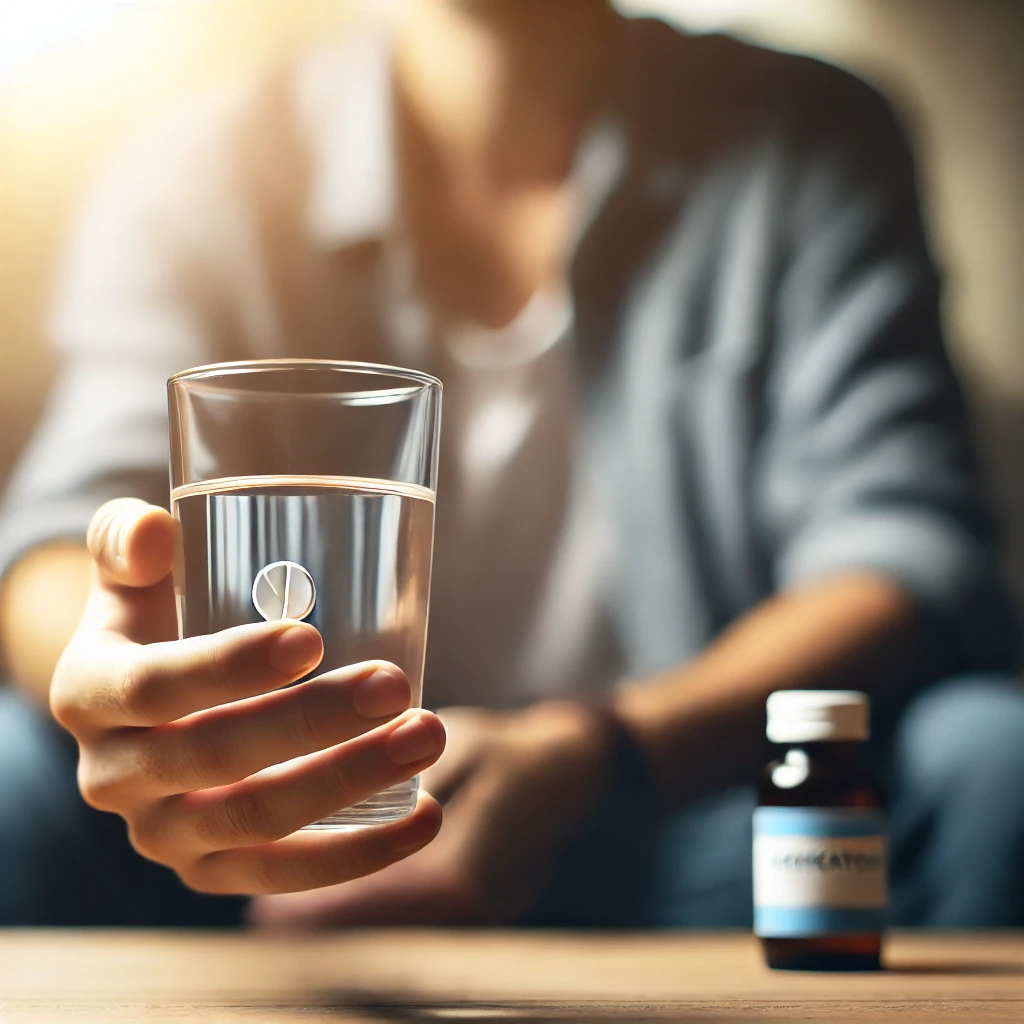
- Oral tablets – usually taken once a day.
- Injection – a long-acting injection (Vivitrol) given once a month.
Both options work similarly, but some people prefer the monthly shot since it means they don’t have to remember to take a pill every day. The choice between the pill and injection depends on a person’s lifestyle and preferences, and a doctor can help decide which option is best.
Who Can Benefit from Naltrexone?
Naltrexone is usually recommended for people who want to reduce or stop drinking and have already made the decision to quit. It’s not typically prescribed to people who are actively drinking heavily. Instead, it’s most effective for those who are ready to change and need extra help managing their cravings.
What Are the Benefits of Naltrexone?
Naltrexone has a few key benefits that can make it easier for people to stick to their goals:
- Reduces Cravings: Naltrexone helps lessen the urge to drink, making it easier to avoid alcohol.
- Prevents Relapse: By reducing the pleasure associated with drinking, naltrexone can make it less likely for people to relapse.
- Support for Recovery: Naltrexone is most effective when combined with other support, like counseling or therapy. Together, these tools can make a big difference in a person’s recovery.
Are There Side Effects?
Like any medication, naltrexone can have side effects. The most common ones are nausea, headache, and fatigue. For some people, these symptoms are mild and go away on their own. But if they persist, it’s important to speak with a healthcare provider. It’s also worth noting that naltrexone is not addictive and does not produce any sort of “high.”
Is Naltrexone Right for You?
If you’re struggling with alcohol addiction, naltrexone could be one option to help you regain control. However, it’s not for everyone, and it’s essential to consult with a healthcare provider to see if it’s a safe and suitable choice. Naltrexone works best when it’s part of a comprehensive treatment plan that includes support from friends, family, or a recovery group.
Recovery from alcohol addiction can be challenging, but there’s hope. Naltrexone is one of many tools that can make the journey a little easier. By helping to manage cravings and reduce the reward from drinking, it offers a way to support long-term change.
If you or a loved one are struggling with addiction or mental health issues, please give us a call today at 855-952-3546