Alcohol is one of the most commonly used substances around the world, but do we really understand what it does to our minds and bodies? Many people drink to relax, socialize, or take the edge off stress. But here’s something that might surprise you: alcohol is actually classified as a depressant. This doesn’t mean it necessarily makes you sad, but it affects your brain and body in ways that slow things down.
Let’s explore what it means for alcohol to be a depressant and what effects it has on your body and mind.
What Is a Depressant?
In the world of science, a depressant doesn’t mean something that makes you feel sad. Instead, it refers to a type of drug that slows down the central nervous system (CNS). The CNS controls many functions in your body, like your heart rate, breathing, and reaction times. When you consume a depressant like alcohol, it “depresses” or slows down these functions. This is why you might feel more relaxed, sluggish, or even sleepy after a few drinks.
Other examples of depressants include medications like sedatives and tranquilizers, which are sometimes prescribed to help people calm down or sleep. Alcohol, however, is often not used as a medication due to its effects and the risks it can pose.
How Does Alcohol Affect the Brain?
Alcohol has a unique way of interacting with your brain. When you drink, it boosts the release of a neurotransmitter called GABA (gamma-aminobutyric acid). This chemical slows down brain activity, which makes you feel relaxed and less inhibited. It’s why people often feel less shy or anxious after a drink or two.
However, alcohol doesn’t only increase GABA; it also affects another chemical called glutamate, which is responsible for excitability and energy. Alcohol reduces glutamate’s activity, which adds to that slowed-down, relaxed feeling. This combination of effects on GABA and glutamate is why alcohol is classified as a depressant.
The Effects of Alcohol on the Body and Mind
When you drink, you might feel good at first – alcohol can create feelings of happiness or even euphoria. But these effects don’t last, and alcohol’s depressant nature kicks in soon after. Here are some common effects:
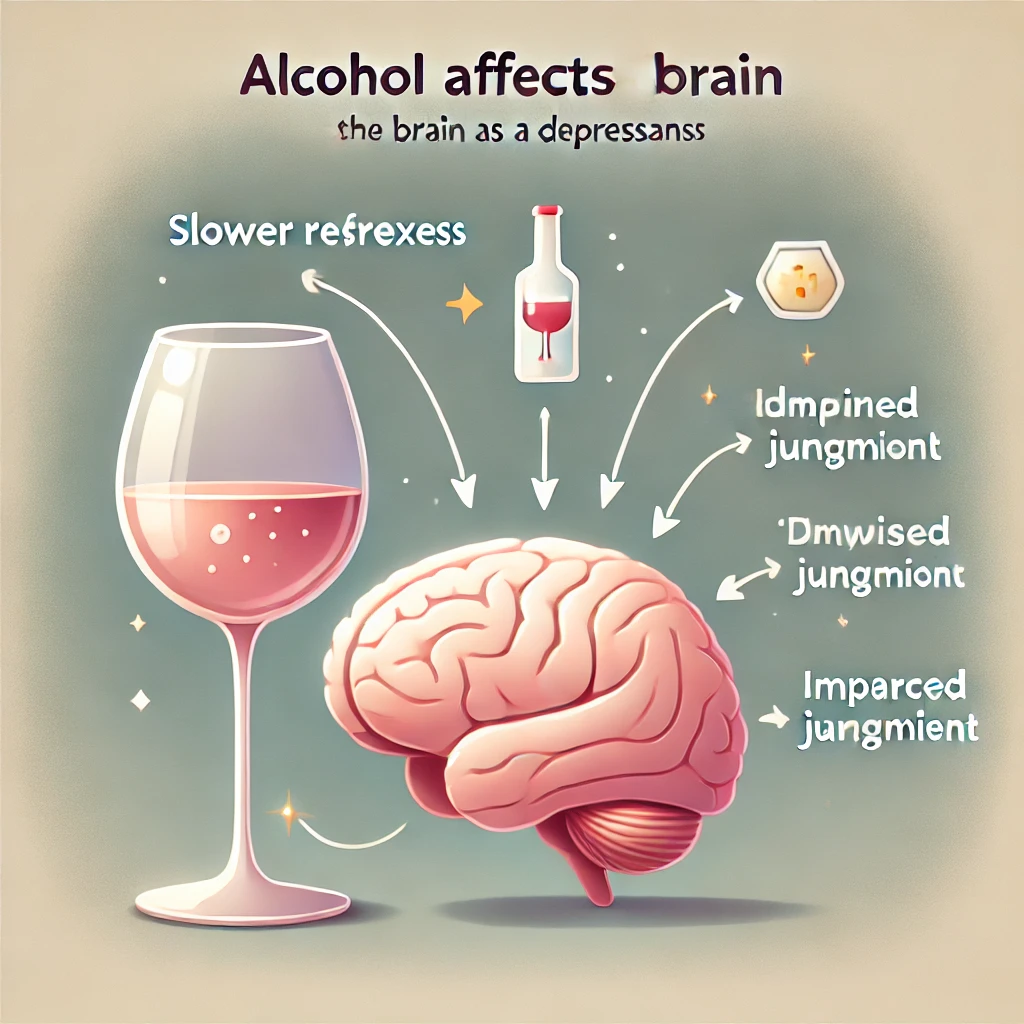
- Slower reflexes: Alcohol impacts your motor skills, which is why it’s dangerous to drive or operate machinery after drinking.
- Drowsiness: Drinking too much can make you feel sleepy or even cause you to pass out.
- Impaired judgment: Alcohol can make you more impulsive and less likely to think about the consequences of your actions.
- Lowered inhibitions: You might feel more open or willing to take risks that you wouldn’t normally consider.
In the long term, heavy drinking can lead to more serious effects, including depression, anxiety, and memory issues. This is because alcohol disrupts brain chemicals and can damage brain cells over time.
Why Do People Think Alcohol Is a “Happy” Drug?
The truth is that alcohol can feel like it’s making you happy, especially when you first start drinking. This feeling happens because alcohol releases dopamine, a “feel-good” chemical in your brain. But this effect is temporary. As the depressant effects of alcohol take over, that happiness fades. Drinking more to “chase” that good feeling can actually lead to more sadness or irritability afterward.
In other words, while alcohol might seem like it lifts your mood, it can bring you down just as fast. This is why some people feel “hungover” not just physically but emotionally after a night of drinking.
Can Alcohol Cause Depression?
While alcohol itself is a depressant, it doesn’t directly cause depression in everyone. However, regular or heavy drinking can increase the risk of developing depression over time. Some people turn to alcohol to cope with sadness or stress, but this can create a cycle where they feel worse after drinking, leading them to drink more.
Over time, this cycle can take a toll on mental health, creating a real risk for depression and anxiety. So while a drink here and there might not harm you, relying on alcohol to feel better can be a dangerous path.
Final Thoughts: Should You Be Careful with Alcohol?
Knowing that alcohol is a depressant can help you make more informed choices. Enjoying a drink occasionally is fine for many people, but remember that alcohol affects your body and brain in more ways than you might realize. If you find yourself drinking to manage stress or emotions, it might be worth thinking about other ways to cope.
So, is alcohol a depressant? Yes. It slows down your central nervous system and can affect your mood, thinking, and body functions. Just like any substance, understanding how it works can help you use it wisely and keep your mind and body healthy.
If you or a loved one are struggling with addiction or mental health issues, please give us a call today at 855-952-3546