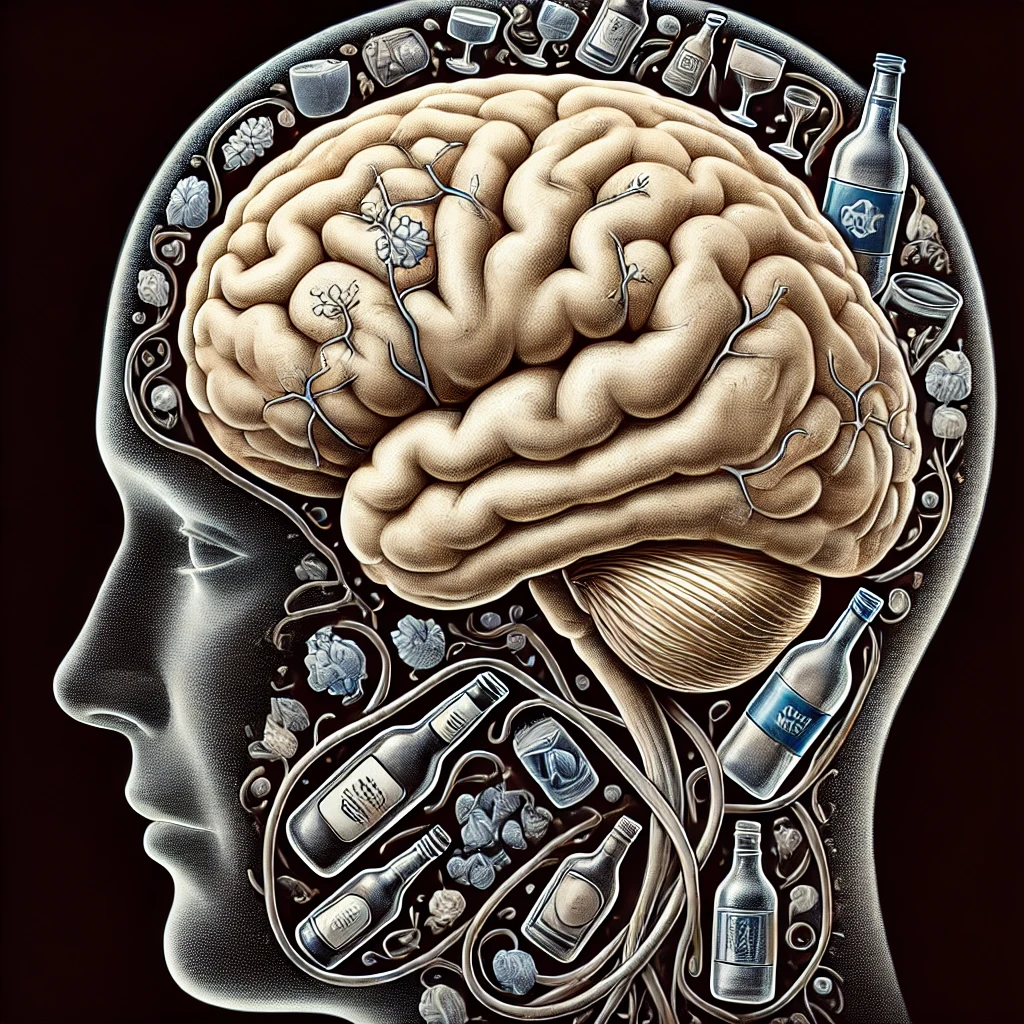
Alcohol is a common social lubricant, enjoyed by many in various settings, from casual gatherings to celebratory occasions. But what often gets overlooked in the moment is the impact alcohol has on our brain, especially when consumed in excess. While moderate drinking might not cause immediate harm, chronic alcohol consumption can lead to long-lasting damage to your brain. Here’s an in-depth look at how drinking damages your brain and the long-term consequences of alcohol abuse.
The Brain and Alcohol: A Volatile Relationship
When you drink alcohol, it quickly travels through your bloodstream to your brain. Initially, alcohol can create feelings of relaxation and euphoria by interacting with neurotransmitters, the chemical messengers in your brain. However, excessive and prolonged drinking alters the brain’s structure and function in detrimental ways.
1. Shrinkage of Brain Tissue
One of the most alarming effects of long-term alcohol consumption is brain shrinkage. Studies have shown that people who drink heavily have reduced brain volume. Specifically, the prefrontal cortex, which is responsible for critical functions like decision-making, judgment, and problem-solving, is vulnerable to alcohol-induced shrinkage. This reduction in size diminishes cognitive abilities, making it difficult for individuals to make sound decisions or think logically.
2. Memory Loss and Blackouts
Alcohol impacts the hippocampus, a region of the brain that plays a crucial role in memory formation. When alcohol disrupts communication between neurons in this area, it can cause short-term memory loss and blackouts. Over time, the damage to the hippocampus becomes more severe, leading to long-term memory problems. Heavy drinkers often find themselves unable to recall entire events, even if they seemed coherent during the time.
3. Cognitive Impairment
Chronic alcohol use affects the brain’s ability to communicate effectively. Over time, this disrupts cognitive function. Tasks that once seemed simple—like solving a math problem or recalling a phone number—become increasingly difficult. Alcohol impairs executive functions such as concentration, attention span, and the ability to organize and plan. This cognitive impairment worsens over time and can become irreversible.
4. Wernicke-Korsakoff Syndrome (Alcoholic Dementia)
Long-term heavy drinking can also lead to Wernicke-Korsakoff syndrome, commonly known as “wet brain.” This is a type of alcohol-related brain damage that results from a deficiency in thiamine (vitamin B1), an essential nutrient for brain function. Wernicke-Korsakoff syndrome has two stages: Wernicke’s encephalopathy, which causes confusion, unsteady gait, and abnormal eye movements, followed by Korsakoff syndrome, which leads to severe memory problems and inability to form new memories.
5. Emotional and Behavioral Changes
Alcohol can alter your emotional regulation by affecting the brain’s limbic system, which is responsible for mood and behavior. Heavy drinkers often experience mood swings, irritability, anxiety, or depression. Over time, the emotional toll of alcohol abuse can damage personal relationships, exacerbate mental health issues, and lead to a vicious cycle of drinking as a coping mechanism.
The Long-Term Risks: Addiction and Permanent Damage
One of the most profound dangers of alcohol abuse is addiction. Over time, alcohol hijacks the brain’s reward system, making the individual crave the substance even when it causes harm. Addiction to alcohol—commonly known as alcoholism—reorganizes brain pathways, making it difficult to break free from the cycle of abuse without medical help.
Permanent Damage
Unfortunately, some of the damage caused by alcohol is permanent. While the brain has some ability to repair itself, chronic alcohol consumption over years can result in irreversible harm. For example, once neurons in the brain die, they cannot be regenerated. Long-term heavy drinkers may suffer from lasting cognitive impairment and memory loss.
Can the Brain Heal After Quitting Alcohol?
The good news is that not all alcohol-induced brain damage is permanent. When individuals stop drinking, some functions begin to improve, and brain tissue can partially recover. For instance, studies have found that brain volume can increase after a period of abstinence from alcohol, though this process takes time. Cognitive functions, memory, and emotional regulation may also improve with time and proper rehabilitation, especially when sobriety is coupled with a healthy lifestyle.
However, it’s important to note that the brain’s ability to recover depends on the extent of the damage. In cases of severe addiction or long-term heavy drinking, the brain may never fully regain its original function. This is why early intervention and reducing alcohol intake can make a significant difference in brain health.
How to Protect Your Brain From Alcohol Damage
If you’re concerned about the impact of alcohol on your brain, there are steps you can take to minimize the risk:
- Moderation: If you choose to drink, do so in moderation. This means limiting your alcohol intake to no more than one drink per day for women and two drinks per day for men.
- Stay Informed: Understand how much alcohol is in the drinks you consume and the potential risks associated with binge drinking or heavy consumption.
- Seek Help: If you or someone you know is struggling with alcohol dependence, professional help is available. Treatment centers and support groups can provide the necessary tools to stop drinking and protect brain health.
The Sobering Reality
While alcohol may provide temporary relief or enjoyment, its long-term effects on the brain are far from benign. From memory loss and cognitive impairment to emotional instability and addiction, the damage alcohol can inflict on the brain is profound. The good news is that by understanding the risks, you can make informed choices about drinking and take steps to protect your brain health.
If you are concerned about how drinking may be affecting your brain, it may be time to reconsider your relationship with alcohol and seek support to reduce or quit drinking.
If you or a loved one are struggling with addiction or mental health issues, please give us a call today at 855-952-3546