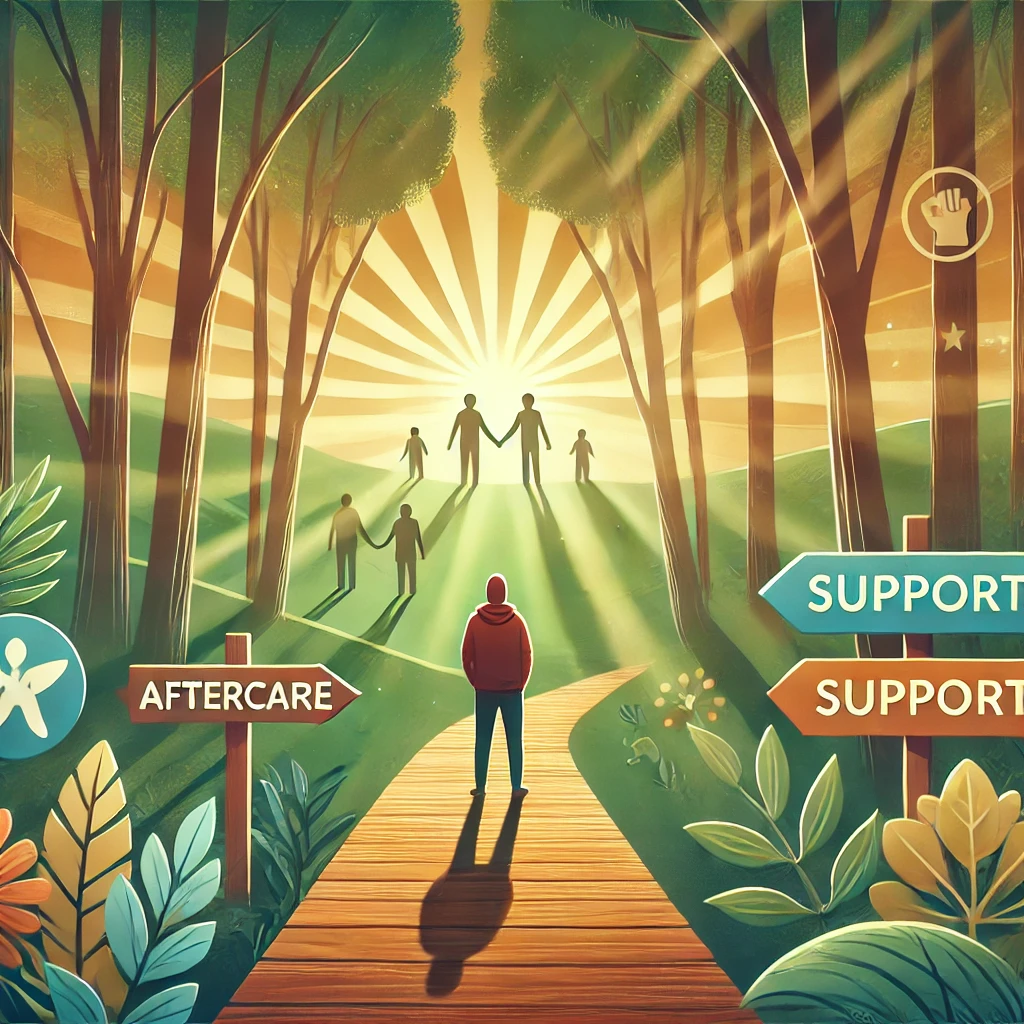
Aftercare is an essential part of addiction treatment that helps people stay on the path to recovery even after they leave a rehab facility. While treatment centers provide tools and support to overcome addiction, the journey doesn’t stop there. Aftercare gives people the continued support they need to stay sober and live healthier lives.
Why Aftercare Matters
Addiction is a tough battle, and staying sober can be challenging, especially after returning to everyday life. Aftercare programs are designed to help with this transition. They offer a range of services like counseling, support groups, and sober living environments. These services help individuals manage the challenges they might face after treatment, making it less likely they will return to old habits.
Long-Term Support
Aftercare programs provide long-term support, which is important for several reasons. First, they give people a safe space to discuss their struggles and achievements with others who understand what they’re going through. Having someone to talk to can make a huge difference, especially when the urge to use drugs or alcohol strikes.
Secondly, aftercare programs help people learn new skills and strategies to cope with stress and triggers. Life can be unpredictable, and learning how to handle tough situations without turning to substances is key to staying sober. Many aftercare programs offer therapy sessions where people can learn these skills.
Different Types of Aftercare Programs
Aftercare programs are not one-size-fits-all. They come in different forms to suit individual needs. Here are some common types of aftercare programs:
- Outpatient Counseling
Outpatient counseling allows people to continue receiving therapy while living at home. It usually involves regular meetings with a therapist, either one-on-one or in a group setting. This helps people work through any emotional or mental health issues that could lead to relapse. - 12-Step Programs
Programs like Alcoholics Anonymous (AA) and Narcotics Anonymous (NA) provide a structured support system. They follow a 12-step model that encourages individuals to take responsibility for their recovery, stay connected with a sponsor, and help others who are also in recovery. These programs have been around for a long time and are often very effective. - Sober Living Homes
Sober living homes provide a safe and structured environment where people can live with others who are also in recovery. These homes often have rules to ensure everyone is committed to staying sober. Living with others who understand the struggle can make it easier to avoid the temptation of using substances. - Therapy and Counseling
Aftercare often includes ongoing therapy and counseling. Cognitive Behavioral Therapy (CBT) is a common method used to help people change negative thought patterns that lead to substance abuse. Other types of therapy, like family therapy, can help improve relationships that may have been affected by addiction.
Building a New Routine
Aftercare programs also help people build a new routine. Addiction often disrupts normal life, so returning to a structured schedule can help. Aftercare programs can help people find jobs, continue education, or pick up hobbies they enjoy. A new routine helps fill the time that may have once been spent using substances. This makes it less likely that they’ll feel bored or tempted to relapse.
Preventing Relapse
One of the main goals of aftercare is to prevent relapse. Relapse happens when someone returns to using drugs or alcohol after a period of sobriety. It’s common, but aftercare programs help reduce the risk. By providing ongoing support and resources, aftercare programs remind individuals of their progress and why they started their journey to recovery in the first place.
When people are part of an aftercare program, they’re more likely to reach out for help if they feel tempted. They’re also more likely to recognize early signs of a potential relapse and take steps to avoid it. This proactive approach makes aftercare a vital part of the recovery process.
Staying Connected with Others
In aftercare programs, people can stay connected with others who understand their experiences. Building friendships with people who have similar goals can create a strong support system. These connections make it easier to stay committed to recovery, especially when life gets challenging. Being around people who also want to stay sober provides positive reinforcement and encouragement to continue on the right path.
Finding the Right Aftercare Program
It’s important to find an aftercare program that fits individual needs. Everyone’s journey to recovery is unique, so what works for one person might not work for another. Many treatment centers offer customized aftercare plans, so it’s worth discussing options with a counselor or therapist.
Additionally, it’s never too late to join an aftercare program. Even if someone has been sober for a while, ongoing support can still be beneficial. Sobriety is a lifelong journey, and aftercare programs can provide valuable tools and resources at any stage.
The road to recovery doesn’t end when someone leaves a rehab facility. Aftercare programs are essential for maintaining long-term sobriety. By providing continued support, helping prevent relapse, and encouraging healthy connections, aftercare plays a vital role in helping people build new, fulfilling lives free from addiction.
If you or a loved one are struggling with addiction or mental health issues, please give us a call today at 855-952-3546