Can Addiction Permanently Change Your Brain
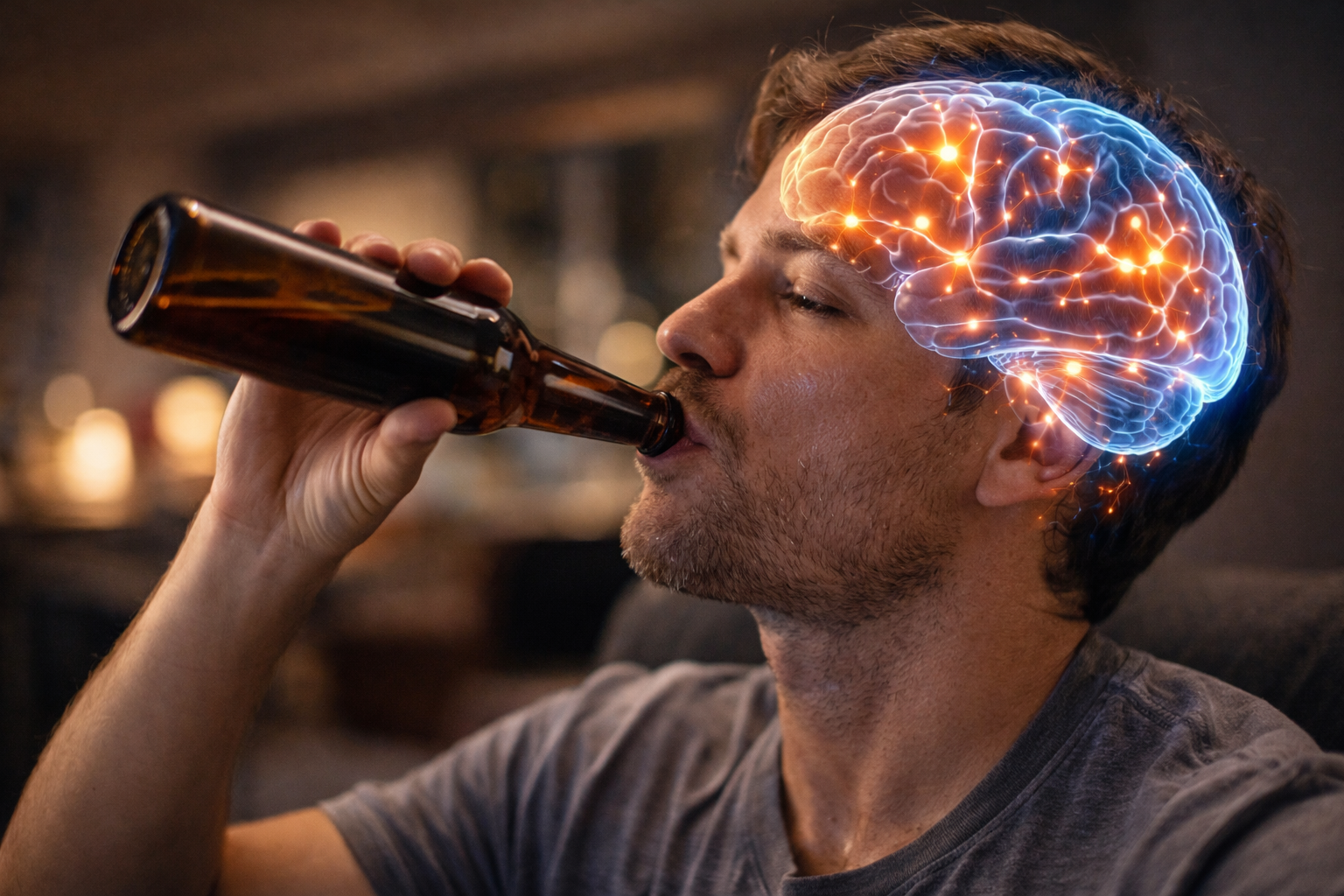
Addiction is more than just a habit—it is a condition that directly affects how the brain works. Many people wonder whether these changes are permanent or if the brain can fully recover over time. The answer is complex. Addiction can cause long-lasting changes in the brain, but it does not mean that recovery is impossible. In fact, the brain has an incredible ability to heal and adapt, especially with the right support and time.
When someone uses drugs or alcohol repeatedly, the brain’s reward system is one of the first areas affected. This system is responsible for releasing dopamine, a chemical that creates feelings of pleasure and motivation. Substances can cause a surge of dopamine that is much stronger than what the brain produces naturally. Over time, the brain adjusts by reducing its natural dopamine production or becoming less sensitive to it. This is why everyday activities may start to feel less enjoyable, and why substances begin to feel necessary just to feel normal.
Another area impacted by addiction is the brain’s decision-making center, known as the prefrontal cortex. This part of the brain helps with judgment, impulse control, and understanding consequences. With ongoing substance use, this area can become weakened, making it harder for individuals to resist cravings or make healthy decisions. This helps explain why people may continue using substances even when they are aware of the harm it is causing.
Addiction also affects the brain’s memory and learning systems. The brain forms strong connections between substance use and certain environments, emotions, or experiences. These connections can act as triggers, meaning that even long after someone stops using, certain situations can bring back intense cravings. This is one reason why relapse can happen, even after a period of sobriety.
The question of whether these changes are permanent depends on several factors, including how long the person used substances, the type of substance, and their overall health. Some changes in the brain can last for a long time, especially if substance use was severe or prolonged. However, this does not mean the brain is permanently damaged beyond repair.
The brain has a powerful ability known as neuroplasticity, which allows it to reorganize and form new connections. During recovery, the brain can begin to repair itself and rebuild healthier pathways. Over time, dopamine levels can stabilize, decision-making abilities can improve, and emotional regulation can become more balanced. This process does not happen overnight, and it may take months or even years depending on the individual.
Lifestyle choices play a major role in supporting brain recovery. Healthy habits such as regular exercise, balanced nutrition, consistent sleep, and stress management can all help the brain heal more effectively. Therapy and counseling can also help individuals retrain their thinking patterns and develop healthier coping strategies, which further supports brain recovery.
It is also important to understand that while the brain can heal, some vulnerabilities may remain. This means that individuals in recovery may need to stay mindful of triggers and continue practicing healthy coping skills. Recovery is not just about stopping substance use—it is about maintaining long-term changes that support mental and emotional well-being.
Support systems are another key factor in brain recovery. Having people to rely on, whether it is friends, family, or support groups, can help reduce stress and provide encouragement during difficult moments. A strong support network can make it easier to stay on track and continue making progress.
Addiction can change the brain in powerful ways, but those changes are not the end of the story. With time, effort, and the right support, the brain can heal and adapt. Many people go on to live healthy, fulfilling lives after addiction, proving that recovery is not only possible, but achievable.
If you or a loved one are struggling with addiction or mental health issues, please give us a call today at 855-952-3546