Can Addiction Be Treated Without Medication?
Addiction treatment often brings up questions about medication—whether it’s necessary, optional, or something to avoid. The truth is that yes, addiction can be treated without medication for some people, but whether that approach is effective depends on the individual, the substance involved, and the severity of the addiction.
Addiction is both a physical and psychological condition. For some substances and usage patterns, the physical dependence may be mild or short-lived. In these cases, treatment that focuses on behavioral change, mental health, and lifestyle support can be effective without medication. Therapy, education, structure, and accountability play a major role in helping people understand their triggers, build coping skills, and create a life that doesn’t revolve around substances.
Non-medication-based treatment often centers on therapy and support. Learning how to manage stress, process emotions, and change thought patterns can significantly reduce cravings and relapse risk. Many people find that once they address the underlying reasons they were using—such as anxiety, trauma, depression, or chronic stress—the urge to use substances decreases over time.
That said, medication can be an important tool for others. For people with severe dependence, long-term use, or a history of relapse, medication can help stabilize the brain and reduce cravings or withdrawal symptoms. Choosing to use medication does not mean someone is “less sober” or taking an easier route. It’s simply another form of support.
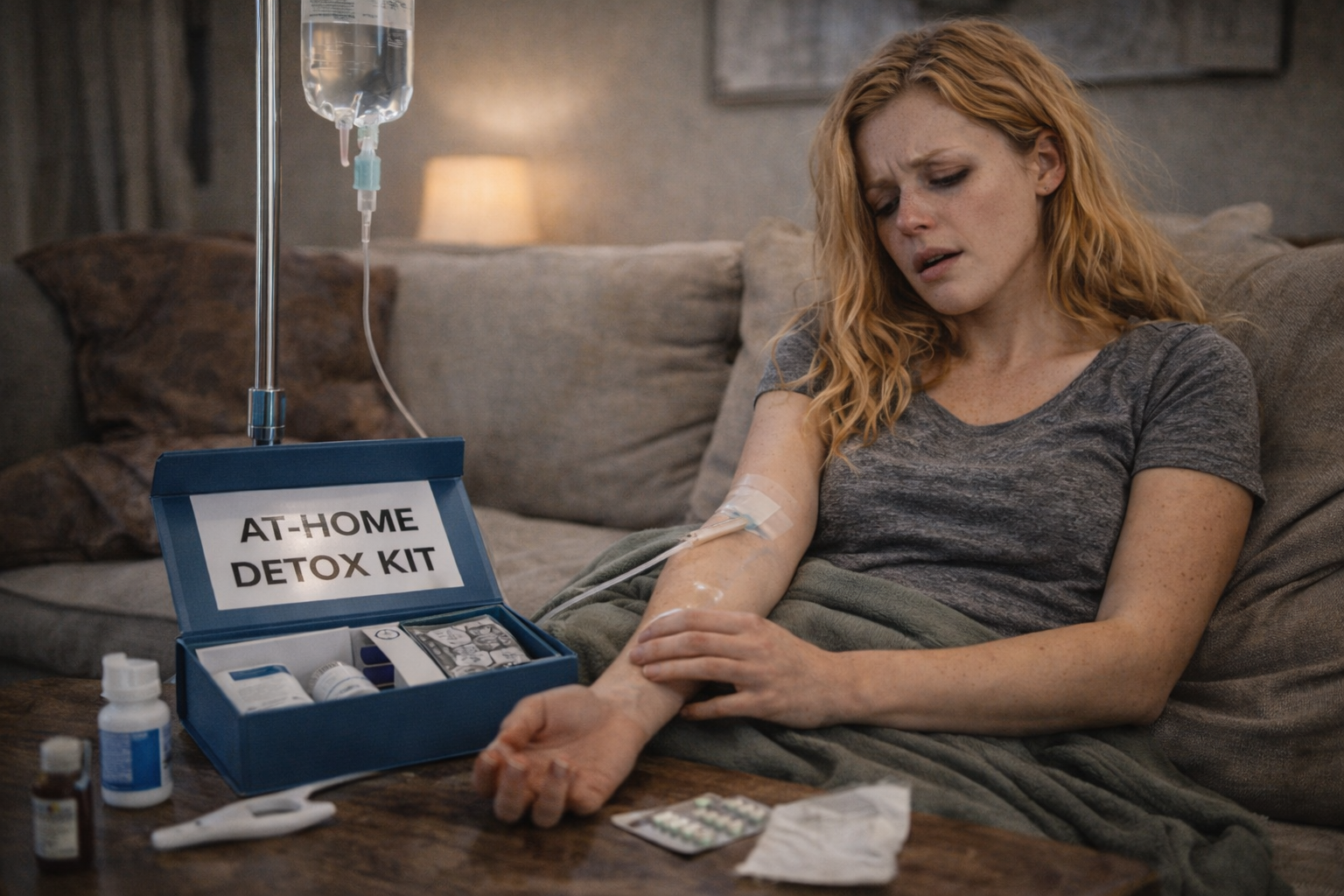
It’s also important to understand that some withdrawals can be dangerous without medical care. While treatment without medication may work well during the recovery phase, the detox phase for certain substances may still require medical supervision to stay safe. Skipping medication when it’s medically recommended can increase the risk of complications or relapse.
There is no single right way to recover. Some people thrive with therapy-only approaches. Others do best with a combination of counseling, structure, and medication. What matters most is honesty—about symptoms, cravings, mental health, and what hasn’t worked in the past.
Addiction recovery isn’t about proving strength by avoiding certain tools. It’s about finding what helps you stay healthy, stable, and present in your life. Life is short, and the best treatment approach is the one that gives recovery the strongest chance to last.
If you or a loved one are struggling with addiction or mental health issues, please give us a call today at 855-952-3546