How Anxiety and Eating Disorders Overlap
Anxiety and eating disorders are deeply connected, and for many people, they exist side by side rather than as separate struggles. Anxiety can shape how someone thinks, feels, and behaves around food, while disordered eating can intensify anxious thoughts and physical stress. Understanding how these two conditions overlap can help explain why they so often feed into each other and why treating one without addressing the other may not be enough.
Anxiety thrives on fear, uncertainty, and a desire for control. Eating disorders often offer the illusion of control during times when life feels overwhelming. For someone struggling with anxiety, focusing on food, body image, or eating rules can feel like a way to manage internal chaos. Restricting food, binge eating, or obsessing over meals may temporarily reduce anxious feelings, but that relief rarely lasts.
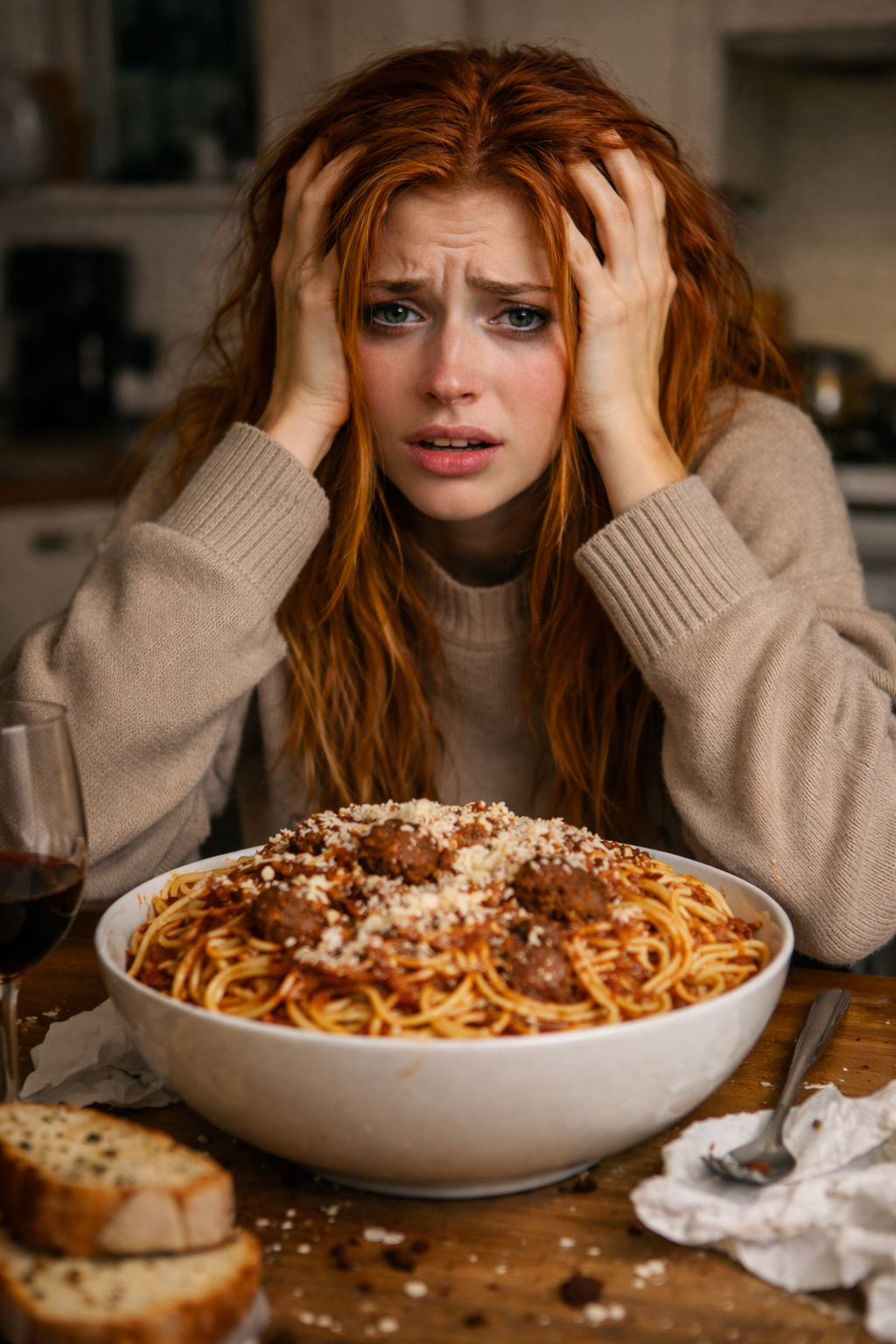
Many people with anxiety experience constant worry, racing thoughts, or a sense of being “on edge.” Food and eating behaviors can become coping tools for managing those feelings. Some people restrict their eating to feel disciplined or in control, while others binge eat to numb anxious emotions or escape overwhelming thoughts. Over time, these behaviors can become automatic responses to stress rather than conscious choices.
Physical symptoms also play a role in the overlap. Anxiety affects the body as much as the mind, often causing nausea, stomach pain, appetite changes, or digestive discomfort. These sensations can make eating feel stressful or unsafe, leading people to avoid food or develop rigid eating patterns. At the same time, irregular eating can worsen anxiety by disrupting blood sugar levels, sleep, and energy, creating a vicious cycle.
Perfectionism is another major link between anxiety and eating disorders. Many people with anxiety place intense pressure on themselves to meet unrealistic standards. Food and body image can become areas where perfection feels achievable, at least temporarily. Strict food rules or body goals may provide a sense of accomplishment, but they also increase stress and fear of failure when those standards are inevitably unmet.
Social anxiety can further complicate eating behaviors. Eating in front of others, attending social events involving food, or worrying about judgment can make meals extremely stressful. Some people avoid eating in public altogether, while others use food to cope with social discomfort. This avoidance and fear can reinforce both anxiety and disordered eating patterns over time.
The emotional aftermath is often heavy. Anxiety fuels self-criticism, and eating disorders tend to amplify shame. After restricting, binge eating, or breaking food rules, anxious thoughts often spiral into guilt, fear, and harsh self-judgment. These emotions increase stress, which then triggers more anxiety and further disordered eating, keeping the cycle alive.
It’s important to understand that neither anxiety nor eating disorders are about weakness or lack of willpower. They are coping responses to emotional pain, stress, and unmet needs. Healing requires addressing both the emotional drivers and the behaviors themselves. When anxiety is treated alongside disordered eating, people are better able to rebuild trust with their bodies and develop healthier ways to cope.
Recovery does not mean eliminating anxiety entirely or having perfect eating habits. It means learning to respond to anxious thoughts with compassion, flexibility, and support rather than control or punishment. When people begin to feel safer in their minds and bodies, food no longer has to carry the weight of managing overwhelming emotions.
If you or a loved one are struggling with addiction or mental health issues, please give us a call today at 855-952-3546