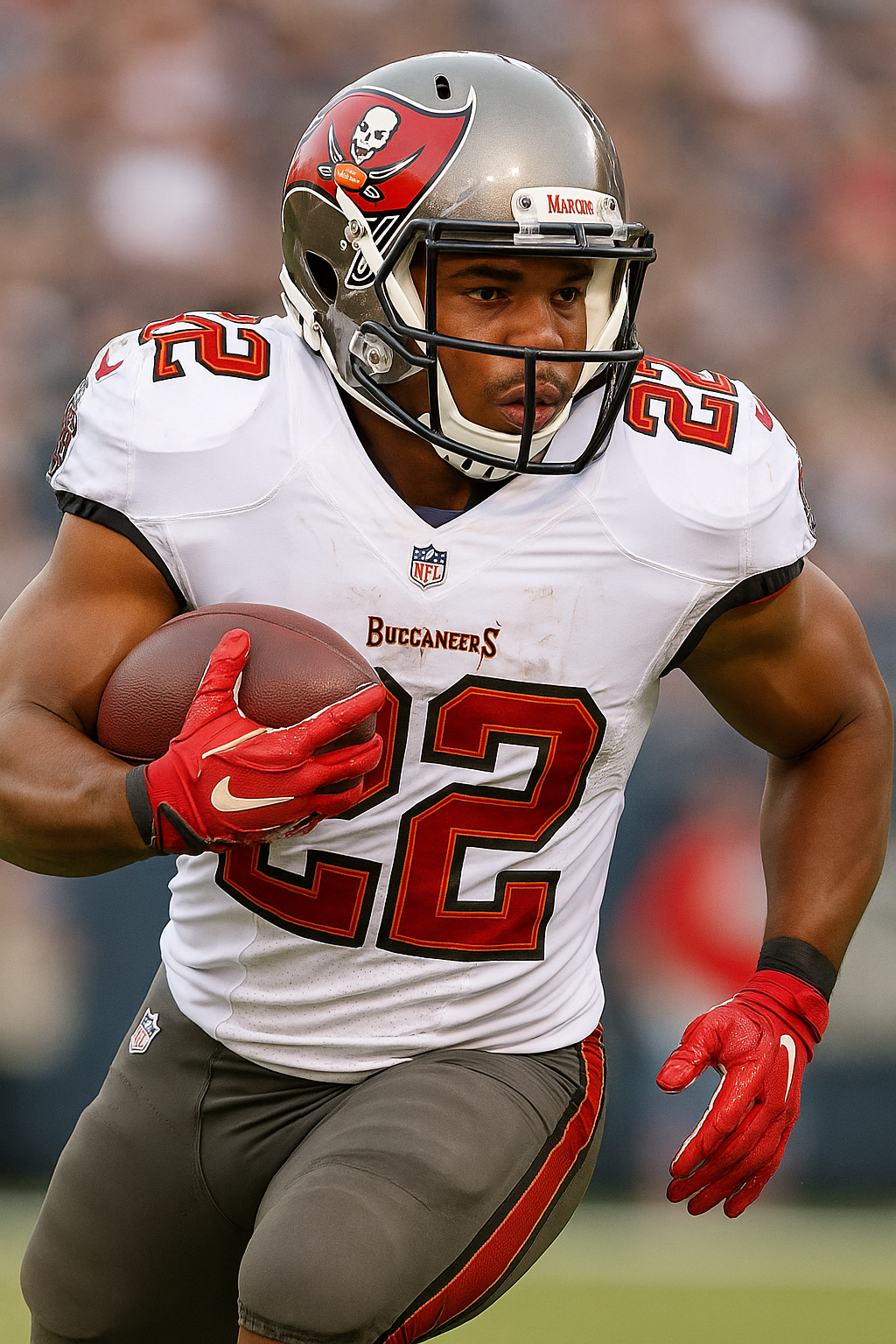
A Tragic Loss: Reflecting on the Death of Doug Martin and the Weight of Mental Health, CTE and Substance Struggles
When former NFL star Doug Martin passed away at the age of 36, the shock was immediate—not only for the sports world, but for everyone who sees in his story the deeper human crisis of mental illness, brain injury and substance use. His death is not simply the story of one athlete’s tragedy, but a prism through which we can examine how high-performance athletics, untreated mental health challenges and possible brain trauma converge in profoundly destructive ways.
Doug Martin’s parents issued a statement through his agent acknowledging that their son had been struggling behind the scenes. They revealed that he had been in a state of disorientation, fled his home during the night and entered a neighbor’s residence, triggering a police response. They said that they had been actively seeking medical assistance for him and had contacted authorities for help, but the crisis escalated nonetheless.
In the statement they said that privately Doug had “battled mental-health challenges that profoundly impacted his personal and professional life,” and that “ultimately, mental illness proved to be the one opponent from which Doug could not run.”
This disclosure raises several interconnected issues that are important to unpack — among them, serious mental illness; trauma from repeated head impacts (commonly discussed under the term CTE — chronic traumatic encephalopathy); and the way substance‐use or self‐medication can accompany or worsen those issues.
Mental Health Behind the Armor
Professional athletes like Martin are often idolized for physical strength, resilience and endurance. But the human behind the jersey is vulnerable to the same emotional, psychological and physiological stresses as anyone else — often more so. The demands of elite sport, transitions out of competition, injury, pain, identity crises and the spotlight all heighten risk. In Martin’s case, his parents’ statement suggests a long‐running internal battle that may have worsened over time and culminated in a moment of crisis.
Mental illness can manifest in myriad forms — depression, anxiety, bipolar disorder, psychosis — and when left unchecked or untreated, the consequences can spiral. The isolation felt by high‐achieving individuals, the shame associated with “not being able to handle it,” and the public persona they must maintain can deter seeking help. Martin’s parents noting that they had “contacted local authorities for support” signals how desperate and serious the situation was.
Brain Trauma and the Shadow of CTE
Playing football at the highest level means exposure to repeated collisions, head impacts and injuries. Although the family did not specifically mention a diagnosis of CTE in Martin’s case, the mention of brain trauma is impossible to ignore in the context of his sport and career. CTE is a progressive degenerative disease found in people with a history of repetitive brain trauma; symptoms can include mood disturbances, depression, aggression, impulse control problems and cognitive decline. These symptoms often overlap with mental‐health disorders and can complicate diagnosis and treatment.
For many former players, the brain injury narrative is a hidden wound. The struggle is not only physical but neurological and psychological. Even without definitive confirmation of CTE in a specific individual, the pattern of head impacts in the sport, combined with mental-health decline, must prompt us to consider brain health as a central component. Martin’s story draws attention to this nexus.
Substance Use, Self‐Medication and the Vicious Cycle
Another factor that frequently intertwines with both mental illness and brain trauma is substance use. Though the public disclosures did not centre on Martin’s use of drugs or alcohol, in many similar cases former athletes use substances as a form of pain relief (physical or emotional) or as self‐medication for symptoms of brain injury or untreated mental illness. The cycle can be cruel: pain and emotional distress lead to substance use; use leads to more neural damage or mood instability; and mood instability can increase risk of crisis, making escape or help harder to pursue.
In the context of this story, even if substance use is not confirmed publicly, the broader lesson remains: mental-health struggles, brain injury and substance misuse often interact in ways that accelerate decline. Without intervention on all fronts, the risk of a tragic outcome goes up.
The Wake-Up Call and How to Move Forward
What can we glean from Doug Martin’s death, beyond the headline? First, treating mental illness as separate from brain trauma or substance use is inadequate. These factors overlap; effective support must be integrative. Second, we must recognize that athletes aren’t exempt from human fragility — they may even be more vulnerable because of the nature of their work. Third, early intervention matters: families, teams, leagues and medical professionals need to pay attention to signs of distress, disorientation, behavioral change or self‐medication.
It’s especially important to broaden the conversation: the idea of the heroic athlete who “toughs it out” or “pushes through pain” is outdated when the pain is neurological or psychological. There should be no shame in acknowledging help is needed. For younger players, for retired athletes, for anyone with a history of head trauma or mental-health issues, recognizing the interplay of these elements can save lives.
A Personal and Collective Mourning
We mourn the loss of Doug Martin not just as a standout athlete who left us too soon, but as a person whose private struggle reminds us of a broader epidemic of brain health, mental illness and substance-use vulnerability. His parents’ brave acknowledgment of what he was facing offers a glimmer of transparency—and for others in similar positions, a chance for empathy rather than stigma.
As readers, friends, fans or family members, we can honour his memory by advocating for mental health access, insisting on brain‐health monitoring in contact sports, supporting programs that address substance use among athletes, and by treating people — especially those in high-risk professions — as whole humans with mind, brain and body interconnected, rather than as physical machines.
Doug Martin’s death is heartbreaking; may it also be a catalyst for change. May we remember that mental illness, brain injury and substance use are not separate issues, but often part of the same crisis. And may we commit to doing better—so that others don’t lose their lives before we take these risks seriously.
If you or a loved one are struggling with addiction or mental health issues, please give us a call today at 855-952-3546