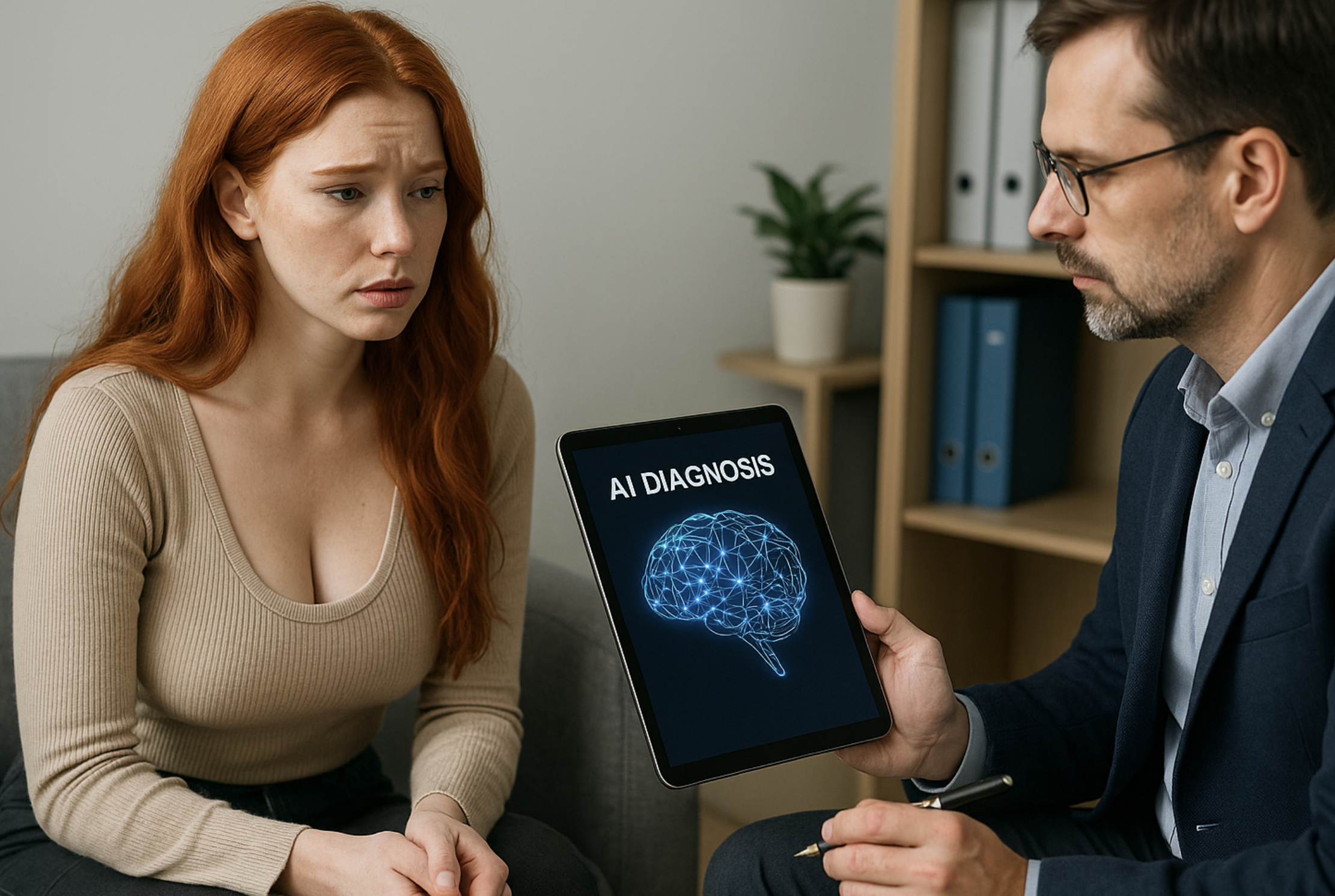
In the fight against addiction, science has long relied on trial and error to discover effective treatments. But now, a powerful new tool is transforming that process—Artificial Intelligence. AI-driven drug discovery is emerging as a game-changer in addiction treatment, with the potential to rapidly identify new compounds that could help people struggling with substance use disorders. This breakthrough is more than a scientific advancement; it’s a lifeline for those suffering from the devastating mental and physical toll of addiction.
The Need for Innovation in Addiction Treatment
Substance abuse remains one of the most complex public health challenges. From alcohol and opioids to stimulants and prescription medications, addiction affects millions of lives globally. It doesn’t discriminate by age, race, or socioeconomic status. But despite its widespread impact, current treatments are limited. Many medications used to treat addiction, like methadone or buprenorphine, are decades old. Others only work for a subset of patients or come with significant side effects.
On top of that, addiction is deeply intertwined with mental health. People battling substance use often struggle with underlying conditions like depression, anxiety, PTSD, or bipolar disorder. Treating addiction without addressing these mental health challenges is like trying to patch a leak without fixing the pipe—it just doesn’t work long term.
This is where AI steps in.
How AI Is Changing the Game
Traditionally, discovering a new drug can take over a decade and cost billions of dollars. Scientists must screen thousands of chemical compounds to find even one that shows promise. Then, it takes years of testing before that compound becomes an approved treatment.
AI radically shortens that timeline.
By analyzing massive datasets—ranging from genetic profiles and clinical trial results to brain scans and behavioral data—AI can predict how different molecules will interact with the brain’s reward pathways. This allows researchers to pinpoint potential anti-addiction compounds with incredible speed and accuracy. Instead of testing one drug at a time, AI models can screen millions virtually, highlighting the most promising candidates in a matter of days.
Mental Health Meets Machine Learning
What makes this approach even more exciting is its ability to consider the mental health dimension of addiction. AI algorithms can be trained on data that includes not just chemical structures, but also psychological profiles, relapse patterns, and responses to therapy. This means scientists can identify treatments that work holistically, not just by targeting cravings, but by addressing the emotional triggers and neurological imbalances that drive substance use.
For example, someone with opioid addiction and co-occurring depression may need a very different treatment than someone recovering from alcohol use disorder and struggling with trauma. AI can help personalize treatments by identifying compounds that are likely to be more effective based on an individual’s mental health history and biological markers.
From Prediction to Real-World Impact
Once a promising drug is identified, AI can also streamline the clinical trial process. By modeling how a drug might perform in different populations, researchers can design smarter, faster trials with higher success rates. This means patients get access to safer, more effective treatments sooner—a major win in the urgent world of addiction recovery.
The implications go beyond medication. AI-driven insights could also shape preventive strategies, helping identify people at risk of addiction before it escalates. It can be used to enhance therapy, predict relapse, and even support mental health apps that offer real-time coping tools based on mood patterns and behavior tracking.
Addressing Concerns and Staying Human-Centered
While AI brings a wave of optimism, it’s important to balance innovation with ethics and empathy. Addiction is not just a data problem—it’s a deeply human one. The goal of AI should not be to replace human care but to enhance it. Recovery still requires community, compassion, and individualized support.
Also, AI is only as good as the data it’s fed. If the datasets are biased or incomplete, the outcomes could reinforce disparities in healthcare. That’s why it’s critical for researchers to ensure that AI tools are transparent, fair, and inclusive of diverse populations.
The Future of Addiction Treatment Is Closer Than You Think
Imagine a future where someone struggling with addiction doesn’t have to wait years for a new treatment. Where clinicians can prescribe medications tailored to a person’s mental health and genetic makeup. Where relapse can be predicted and prevented through smart monitoring. That future is no longer science fiction—it’s becoming reality through AI.
AI-driven drug discovery is not just about chemistry; it’s about hope. It’s about accelerating solutions for one of the most urgent mental health crises of our time. For every person who has felt trapped by addiction, every family torn apart, and every community overwhelmed, AI offers a new path forward.
And while no technology can solve addiction alone, AI may just be the catalyst we’ve been waiting for.
If you or a loved one are struggling with addiction or mental health issues, please give us a call today at 855-952-3546