Why People with Anxiety Are More Vulnerable to Addiction
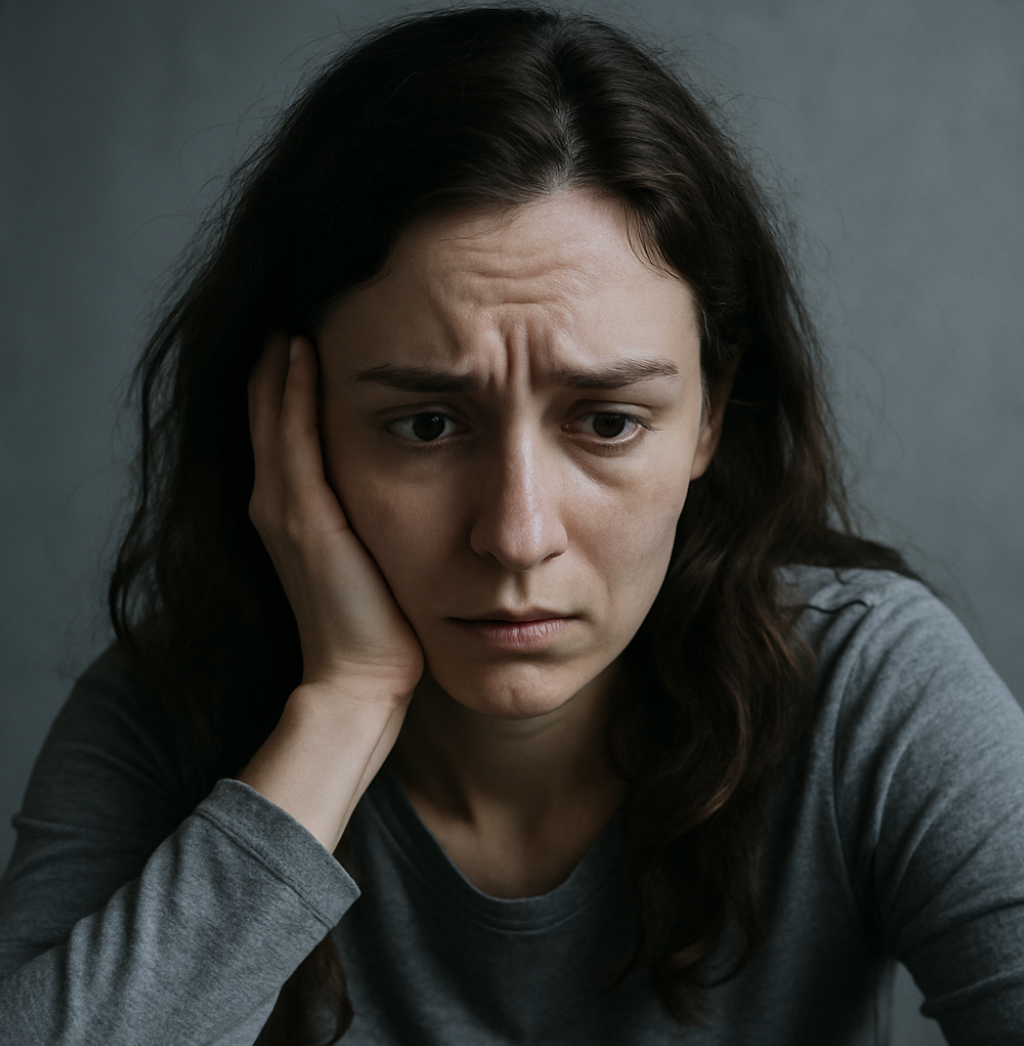
Anxiety doesn’t just show up as sweaty palms or racing thoughts—it can take over your world. For many people, anxiety feels like a constant hum in the background, buzzing louder in moments of uncertainty. It’s draining. It’s overwhelming. And when someone is stuck in that emotional cycle, it’s easy to look for an escape. That’s where addiction often creeps in.
Anxiety and addiction are closely linked, and that’s not just by coincidence. People who struggle with anxiety are often trying to find a way to feel normal again. Substances like alcohol, marijuana, opioids, or even prescription medications might offer temporary relief. But what starts as a moment of peace can quickly spiral into dependency.
One reason anxiety can make someone more vulnerable to addiction is the desire for control. Anxiety convinces people that the world is unpredictable and dangerous. When someone uses drugs or alcohol, it may feel like they’ve finally found something they can manage—something that calms their thoughts and numbs the panic. That false sense of control is powerful and addictive in itself. Unfortunately, it’s short-lived and always comes with consequences.
The brain plays a huge role in this connection. Anxiety affects the brain’s fear and reward systems. So does addiction. Substances hijack those systems, releasing chemicals that mimic calm, comfort, or happiness. But when the high fades, anxiety often comes back even stronger. That leads to more use, creating a dangerous cycle that’s hard to break without help.
Another reason people with anxiety are more prone to addiction is avoidance. Avoidance is a coping mechanism where someone does whatever they can to dodge uncomfortable feelings or situations. If crowds make them panic, they might drink before a social event. If public speaking terrifies them, maybe they pop a pill to get through it. Over time, the brain starts to link relief with the substance, not the behavior. Instead of learning how to face anxiety, they learn to run from it—with drugs or alcohol leading the way.
It’s also important to talk about isolation. Anxiety often makes people pull away from friends, work, or social experiences. They may feel misunderstood or ashamed of how they react to certain situations. This loneliness can make addiction worse. When someone is already feeling like they don’t belong, substances can feel like a friend or a comfort. But addiction is a liar—it promises connection, then strips it all away.
Not everyone with anxiety becomes addicted, of course. But those who do often didn’t start using substances to get high—they started to get by. That’s a key difference. Addiction, in this case, isn’t always about pleasure-seeking—it’s about pain relief.
So what can be done?
The first step is understanding that both anxiety and addiction need to be treated together. Ignoring one while focusing on the other rarely works. Recovery from addiction without addressing the underlying anxiety can leave someone vulnerable to relapse. And managing anxiety without removing the addictive substance can prevent true healing. Dual diagnosis treatment—where both conditions are addressed at the same time—is crucial.
There’s also hope in therapy, especially therapies that focus on managing emotions and learning healthier coping tools. Cognitive Behavioral Therapy (CBT), mindfulness, and support groups are powerful resources. They can help people unlearn the habit of avoidance and begin facing their anxiety head-on, without the crutch of substances.
Most importantly, if you or someone you love is struggling with anxiety and addiction, know this: it’s not a moral failure. It’s not a weakness. It’s a sign that your brain has been trying to protect itself in the only way it knows how. With the right help, it can learn new ways—better ways—to heal and thrive.
Life is short. Sobriety is worth it. And freedom from both addiction and anxiety is possible.
If you or a loved one are struggling with addiction or mental health issues, please give us a call today at 855-952-3546