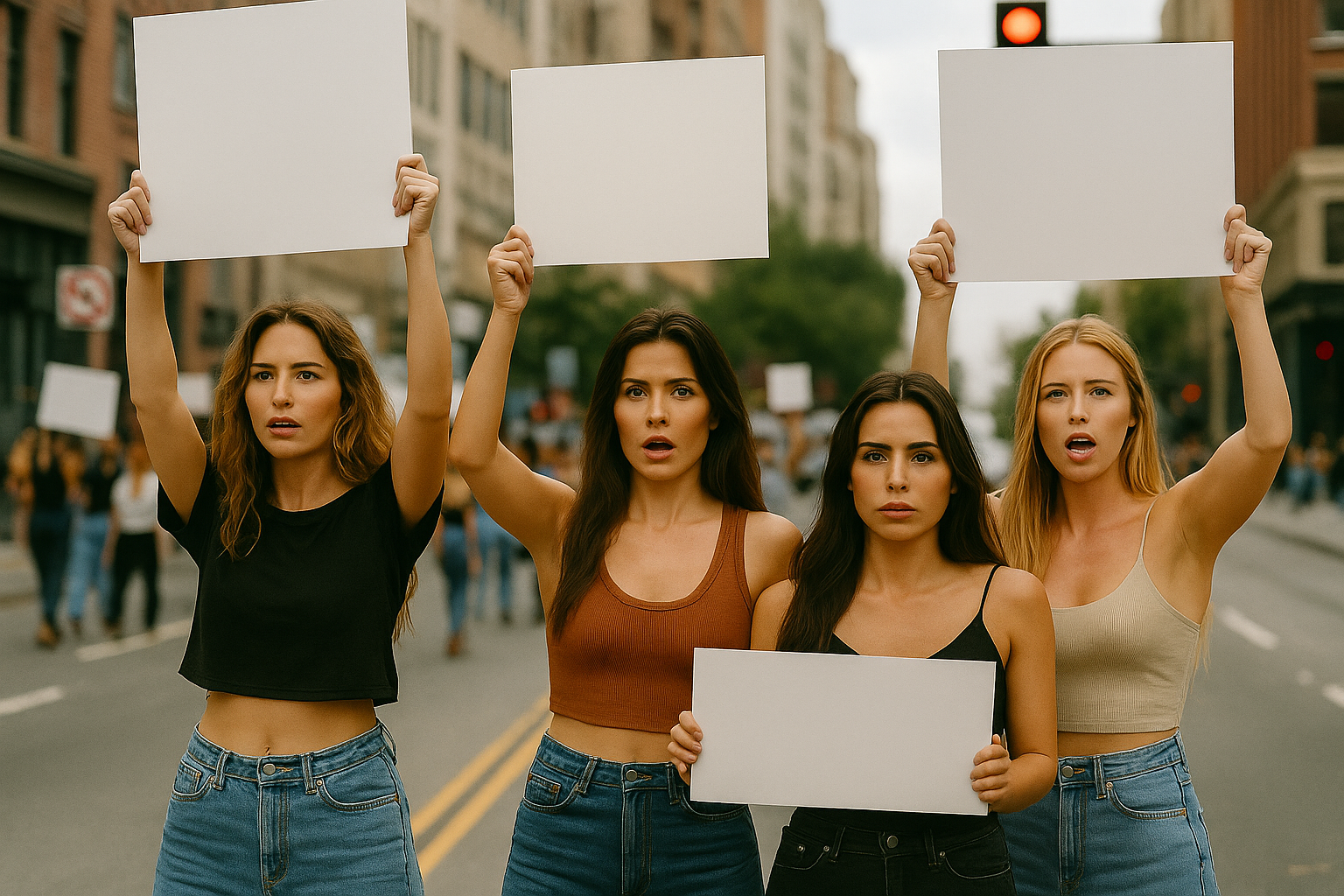
California is burning—literally and figuratively—as the state finds itself at the epicenter of a national crisis. In early June, sweeping ICE raids targeting immigrant communities around Los Angeles—especially in Paramount, Compton, and downtown—ignited a wave of protest. By June 6, hundreds had been arrested; peaceful demonstrations escalated, with lines of tear gas, pepper spray, and flash-bangs marking the growing tension. What began as community outrage soon spilled over to freeway blockades, burning self‑driving taxis, and violent clashes involving National Guard troops—deployed by a federal order—sparking outrage and legal battles with Governor Newsom.
These images of militarized streets and chaotic confrontations are raw expressions of deeper wounds: for many, the intersection of public policy and personal pain. Underneath the spectacle lie layers of mental health trauma, addiction struggles, and the delicate quest for sobriety—often overlooked amid political fights.
Unseen Wounds Behind the Protest
1. Trauma in the Immigrant Psyche
Imagine being a parent whisked away in the dead of night by ICE agents. Fear becomes a constant companion, anxiety grips daily life, and flashbacks haunt dreams. Witnesses report families separated, children traumatized, and communities torn apart. These experiences can trigger PTSD, depression, and panic disorders—conditions that often lurk under the surface, unseen by the next person behind a protest sign.
2. Substance Use as Coping Mechanism
When fear and uncertainty take hold, some turn to substances for temporary relief. Alcohol, pills, or even prescription medications can offer a momentary escape. But as the raids intensified, so did stress levels—and with them, the risk of relapse among those in recovery. The same communities battered by immigration enforcement also face deep opioid and methamphetamine crises, with overlapping systems of harm that feed off one another.
3. Breaking Sobriety in Crisis
For individuals fighting addiction, trauma isn’t just psychological—it’s a trigger. A sudden raid, a loved one detained, or witnessing violence can shatter the fragile structure of recovery. Without support, it’s easy to slip. Yet, this tragedy can also be a turning point—an opportunity to channel grief and anger into community healing. Many local sober groups report increased attendance, with people seeking connection after watching their world upend.
Where Healing Starts Among the Chaos
A. Community Support as Medicine
In neighborhoods like Compton and Paramount, residents have banded together—not just to protest, but to offer care. Clearing tear gas pellets, providing water to demonstrators, checking in on mental wellness—these acts foster resilience. Shared trauma can feel isolating, but collective care lets people say, “You’re not alone,” a powerful antidote to despair.
B. Treatment-Led Solutions on the Ground
Amid the unrest, behavioral health advocates are pushing for deeper changes. California’s recent bond measures and bills aim to expand mental health and addiction treatment access—especially for those hit hardest by policy violence. Units to de-escalate police encounters and mobile teams specializing in trauma have begun to crop up in some protest-heavy zones. For the first time, conversations about sobriety and mental health are interwoven into civic policy.
C. The Rise of ‘Cali‑Sober’ Cultural Shift
A subtle cultural shift is gaining momentum: the “Cali‑sober” movement embraces a sober life while exploring alternatives to traditional substances. Psychedelic therapy is emerging as a legitimate avenue for trauma healing. Safe and intentional use of cannabis, ketamine, or guided psychedelic work is being considered as a path to reconnect with oneself—particularly in communities scared by state violence. While still controversial, this approach offers a bridge between rigid sobriety and harmful addiction.
Personal Stories, Public Transformation
Consider Maria, a single mother from Compton who attended a march after her nephew was detained. A former addict, her recovery relied on structure—meetings, sponsors, routines. But when protests erupted, her world was tossed upside down. On the edge of relapse, she reached out for help at a pop-up mental health booth near the freeway. There, she found understanding peers, and a mental health counselor who offered methods to process stress and build community support. The result? She not only stayed sober, but joined a volunteer group distributing resources to protest scenarios.
Or think of Carlos, a youth counselor in Boyle Heights. His clients wrestle with generational trauma. When ICE cars rolled down their streets, the trauma seeped into classrooms. Carlos responded by launching “expressive writing” and art therapy workshops that doubled as protest-readiness sessions—teaching youth how to stand up for their rights while preserving their mental balance.
Looking Ahead: Healing Beyond Politics
California sits at a crossroads. On one side: debate over state sovereignty, militarization of cities, and civil liberties. On the other: thousands of wounded minds in search of relief. The crash of interests—political vs personal—must give way to synergy: trauma-informed public strategy aligned with community resilience.
What the protests are demanding isn’t just policy change—it’s permission to grieve and to heal. They cry out for more support in trauma-centered therapy, for rehabilitation over incarceration, for building treatment systems that don’t kick in after the worst occurs, but operate before the lines on pavement turn into personal breaking points.
A Call for Collective Compassion
- Boost mental health budgets targeted to those affected by immigration enforcement.
- Expand sober-support groups in protest-impacted neighborhoods.
- Normalize therapy that addresses protest-related anxiety, PTSD, and substance relapse.
- Integrate art and storytelling into community healing—so people reclaim their narrative, not just their rights.
Because at its core, this turmoil is an echo of something deeper: the human need for safety, connection, and the chance to heal. If California can rise from this chaos with greater compassion—expanding sobriety support, funding mental health access, and uplifting community care—it will be living up to its most legendary promise: not just political progress, but healing at a societal level.
In the end, the state may be defined not by how it protests, but how it cares—and how, amid fire and tear gas, it rebuilds itself from the inside out.
Final Thought
California’s streets are cracking—but so are the barriers to shared healing. The protests are a call not just to action, but to empathy. When trauma and addiction meet collective purpose, powerful healing can begin. And that transformation? It could set a new standard—not just for California, but for our whole country.
If you or a loved one are struggling with addiction or mental health issues, please give us a call today at 855-952-3546