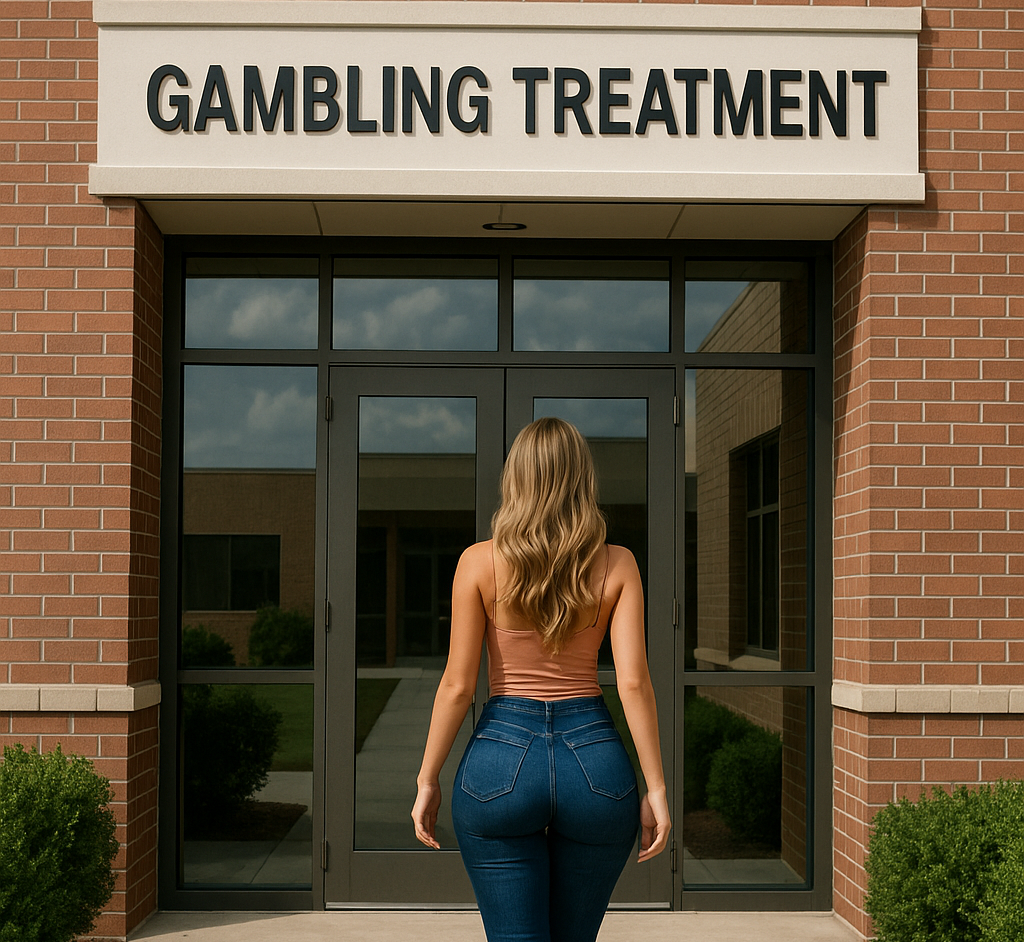
Gambling addiction is a powerful and often misunderstood struggle. Unlike substance addictions, gambling addiction doesn’t involve ingesting a drug, but the impact on a person’s brain and life can be just as devastating. People caught in the grip of gambling addiction often feel trapped, isolated, and overwhelmed by compulsive urges that they cannot control. Understanding what to expect in gambling addiction treatment can be a crucial step toward recovery, offering hope and a clear path to healing.
The Nature of Gambling Addiction
Gambling addiction, sometimes called compulsive gambling or gambling disorder, is characterized by an uncontrollable urge to gamble despite harmful consequences. It can lead to financial ruin, damaged relationships, job loss, and severe emotional distress. Many individuals suffering from this addiction hide their behavior out of shame and guilt, making it harder to seek help. The addiction hijacks the brain’s reward system, making gambling feel like a necessary escape or source of excitement, even when it causes pain.
Recognizing the Need for Treatment
The first step in overcoming gambling addiction is recognizing the problem and deciding to seek help. This can be an incredibly difficult decision due to denial, fear, or embarrassment. Family members, friends, or employers often play a vital role in encouraging individuals to get treatment. Once someone takes this brave step, treatment programs can offer the guidance and tools needed to rebuild their life.
What Treatment Looks Like
Gambling addiction treatment is not a one-size-fits-all approach. It usually combines several elements to address the complex nature of the disorder:
1. Comprehensive Assessment:
Before starting treatment, professionals will conduct a thorough evaluation of the individual’s gambling habits, mental health, physical health, and social situation. This helps tailor a treatment plan specific to the person’s needs.
2. Counseling and Therapy:
Therapy is a cornerstone of gambling addiction treatment. Cognitive-behavioral therapy (CBT) is one of the most effective methods. CBT helps individuals identify and change unhealthy thought patterns and behaviors that drive gambling urges. It also teaches coping skills to deal with triggers, stress, and emotions without turning to gambling.
Individual counseling sessions allow a person to explore their feelings and struggles in a safe, supportive environment. Group therapy or support groups like Gamblers Anonymous provide a community of peers who share similar experiences, offering encouragement and accountability.
3. Addressing Co-occurring Mental Health Issues:
Many people with gambling addiction also suffer from anxiety, depression, or other mental health disorders. Effective treatment includes addressing these issues because mental health challenges often fuel addictive behaviors. Treatment providers may recommend medication, additional counseling, or specialized programs to support overall emotional well-being.
4. Financial Counseling:
Gambling addiction often results in severe financial problems. Treatment programs may include financial counseling or coaching to help individuals regain control over their finances, create budgets, and repair credit. This practical support is essential for restoring stability and reducing stress.
5. Family Involvement:
Addiction affects not just the individual but their loved ones as well. Many programs encourage family therapy to help rebuild trust, improve communication, and heal relationships. Family support can be a powerful motivator and aid in long-term recovery.
6. Relapse Prevention:
Recovery from gambling addiction is a lifelong process. Treatment includes developing a relapse prevention plan that identifies warning signs and strategies to stay on track. Ongoing support, whether through counseling, support groups, or check-ins with treatment providers, helps maintain sobriety and emotional balance.
The Challenges of Recovery
Overcoming gambling addiction is not easy. The brain’s craving for the thrill of gambling can be persistent and intense. Emotional struggles like guilt, shame, and anxiety may linger. Many recovering gamblers also face the challenge of repairing the damage gambling caused to their finances and relationships. Recovery requires commitment, patience, and often multiple attempts.
However, treatment provides hope and tools to regain control over one’s life. Success stories show that with the right help, people can break free from the cycle of gambling addiction and rebuild fulfilling lives.
Why Mental Health Matters
Mental health is at the core of gambling addiction treatment. Addiction is often a symptom of deeper emotional or psychological pain. By prioritizing mental health through therapy, medication, and holistic care, treatment programs help individuals heal the root causes of their addiction. Addressing mental health reduces the risk of relapse and improves overall quality of life.
Taking care of mental health also helps people develop healthier ways to cope with stress, boredom, or emotional pain — common triggers for gambling. Recovery is not just about stopping gambling; it’s about restoring balance, purpose, and joy.
Moving Forward with Hope
If you or someone you love is struggling with gambling addiction, know that treatment can make a difference. It’s okay to ask for help and take that first step toward recovery. Gambling addiction treatment offers a path out of the darkness — a way to regain control, rebuild trust, and find peace.
Remember, mental health is just as important as physical health. Healing the mind is essential to overcoming gambling addiction and living a happier, healthier life.
If you or a loved one are struggling with addiction or mental health issues, please give us a call today at 855-952-3546