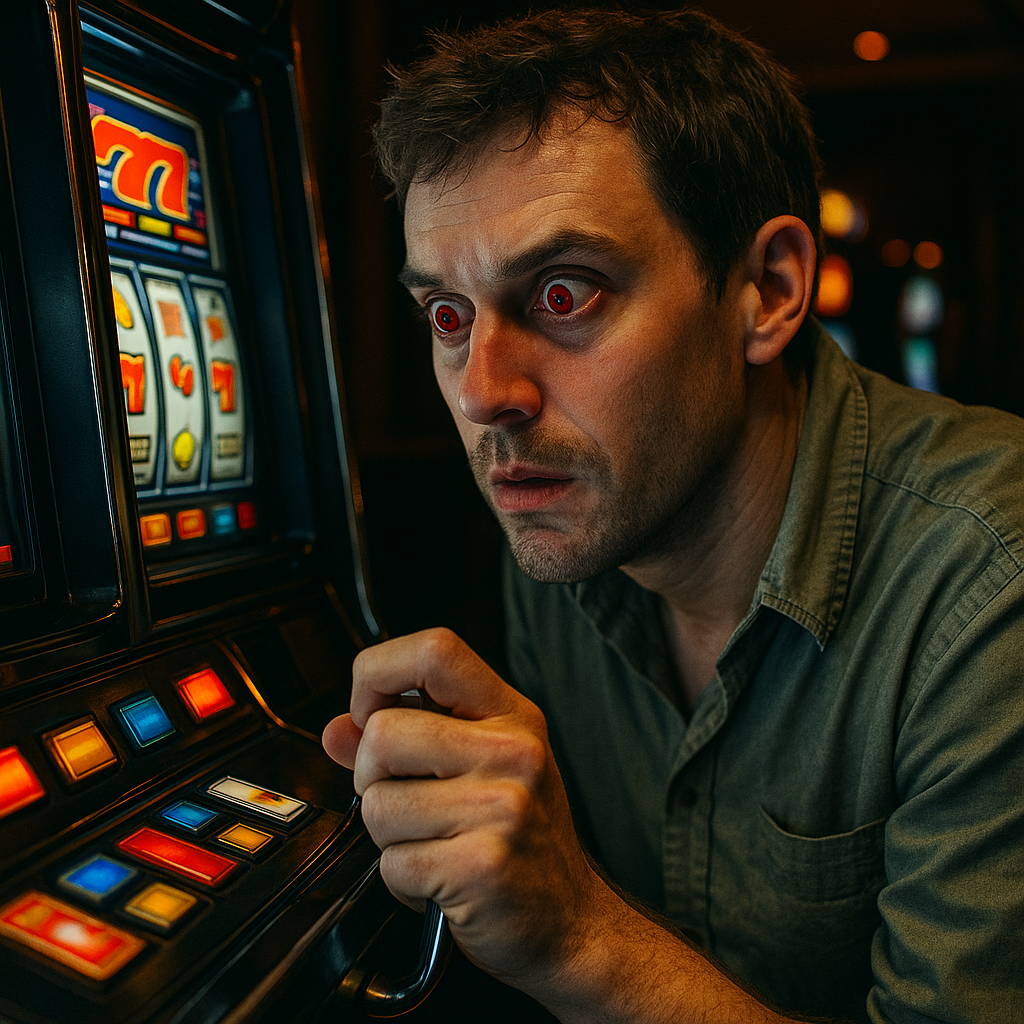
When most people think of addiction, they imagine a singular issue—someone battling drugs or struggling with a gambling problem. But addiction doesn’t always come in just one form. Often, it’s layered. One of the most dangerous and overlooked combinations is the connection between cocaine use and gambling addiction. These two powerful forces can feed off each other in a cycle that destroys mental health, relationships, and financial stability.
The Thrill Factor
Both cocaine and gambling trigger intense highs. Cocaine stimulates the brain’s reward system by flooding it with dopamine, the chemical responsible for pleasure and motivation. Gambling does something similar—when someone wins a bet or gets close to winning, the brain releases dopamine in anticipation of a reward. For many, that feeling becomes addictive.
When you combine the two, the high becomes amplified. Cocaine users often feel invincible, energized, and impulsive—making them more likely to take big risks at the poker table or slot machine. And for gamblers, cocaine becomes a tool to stay alert, stay awake, and keep going for “one more round.” The line between control and chaos quickly disappears.
Mental Health in the Crossfire
This dangerous combo doesn’t just impact behavior—it wreaks havoc on mental health. People using cocaine are more likely to suffer from anxiety, paranoia, and mood swings. Add in the emotional rollercoaster of gambling—big wins, bigger losses, and crushing regret—and the mind becomes a battlefield.
Depression is also common. After the highs of gambling and drug use wear off, people are left feeling empty. Guilt over lost money, shame from risky behavior, and fear of consequences all come crashing down. Some begin to isolate themselves. Others spiral further, using more cocaine to numb the pain or gambling more in hopes of a comeback win. It’s a toxic loop with no easy way out.
Why They’re So Linked
Research shows that the same brain circuits involved in drug addiction are also active in gambling addiction. Both trigger cravings, compulsive behavior, and difficulty with impulse control. People who are predisposed to addiction—due to genetics, trauma, or untreated mental health issues—are especially at risk.
Cocaine enhances risk-taking and reduces judgment. When someone is already hooked on gambling, cocaine acts like fuel to the fire. It’s not just about having fun anymore—it’s about needing that next win, needing that next line, and needing to feel anything other than the crushing weight of withdrawal or loss.
The Road to Recovery
Getting clean from either cocaine or gambling is tough. Doing both at the same time? That requires serious support. Treatment needs to focus on both issues—not just one. Dual-diagnosis programs that treat addiction and mental health together have been shown to work best.
Therapy, particularly cognitive behavioral therapy (CBT), helps people understand the thought patterns that lead to risky behavior. Support groups can offer accountability and community. Detox may be necessary for cocaine withdrawal, while gambling recovery requires time away from triggers, such as casinos or betting apps.
One of the most powerful parts of healing is addressing the emotional root of addiction. Why did someone turn to cocaine or gambling in the first place? Was it to escape stress, trauma, or depression? Mental health must be front and center in the recovery process.
Breaking the Cycle
If you or someone you love is stuck in the cycle of gambling and cocaine use, know this: you are not alone, and you are not broken. Addiction thrives in the shadows, but recovery begins in the light. It takes courage to ask for help—but there is help out there. Treatment centers like Diamond Recovery specialize in guiding people through the darkest parts of addiction toward a life that is stable, fulfilling, and most importantly—sober.
Your future doesn’t have to be controlled by the next bet or the next high. Choose health. Choose recovery. Choose to take your life back.