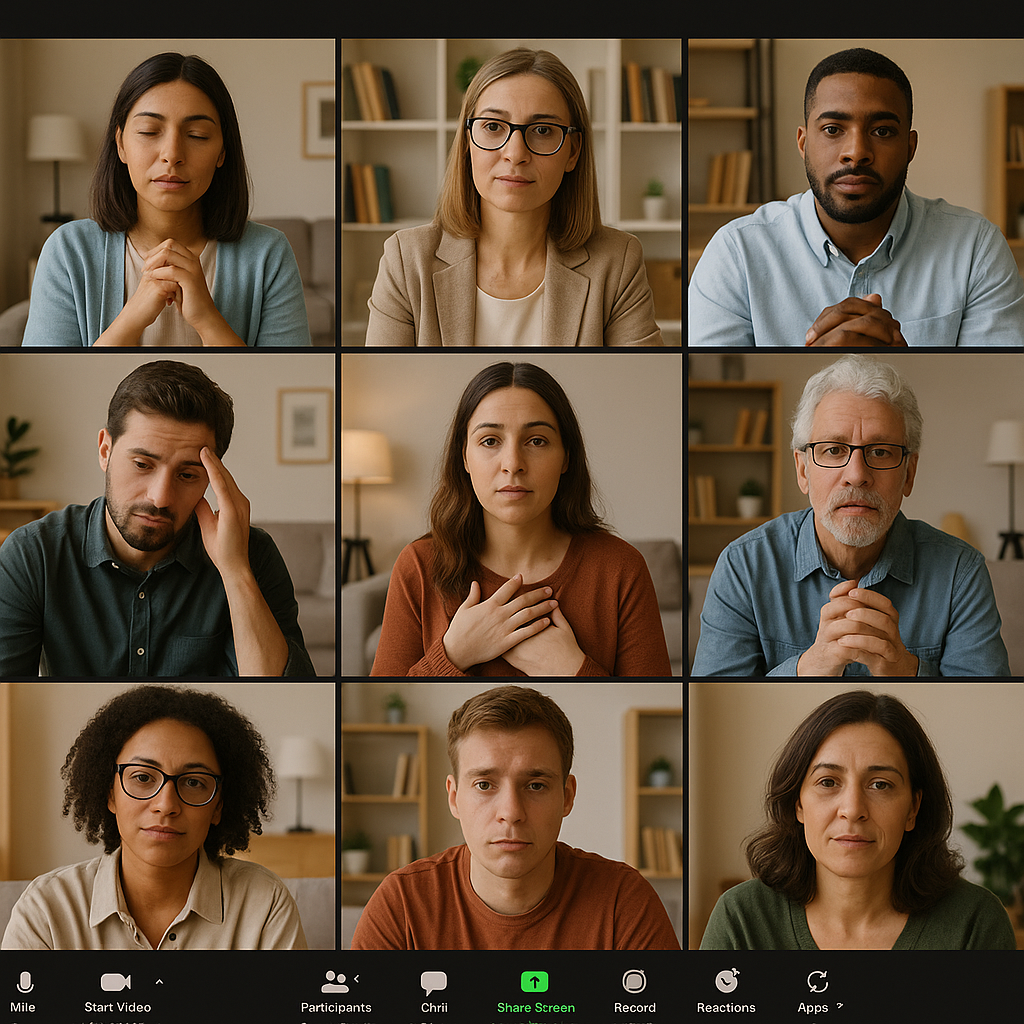
In today’s world, healing no longer only happens in a therapist’s office or a support group circle. Recovery is now happening on screens — through texts, posts, live streams, and virtual communities where millions find support, empathy, and strength. Digital communities are reshaping mental health recovery in ways that were unimaginable just a decade ago, and for many, they’ve become a lifeline.
One of the biggest ways digital communities are changing recovery is by making help accessible 24/7. In the past, people struggling with anxiety, depression, addiction, or trauma often had to wait for a scheduled therapy session or hope a friend was available to talk. Now, online communities provide instant support. Whether it’s midnight or noon, someone is out there listening. Message boards, group chats, and recovery-focused apps make it possible to connect with others who truly understand — because they’ve been through it themselves.
Another powerful shift is that digital communities break down barriers like geography, stigma, and cost. In smaller towns, mental health services can be limited. Some people can’t afford therapy, or they may feel judged for asking for help. Digital spaces let individuals join from anywhere, often anonymously, and without worrying about a hefty bill. There’s something uniquely freeing about talking to people who don’t know your last name, who won’t judge your past, and who are focused purely on healing and encouragement.
The sense of belonging that digital communities foster is transformational. Isolation is one of the biggest enemies of mental health. When someone feels alone in their struggles, recovery feels impossible. But when they log into a supportive group and see messages like “You’re not alone” and “I felt that way too,” it changes everything. Belonging reduces shame, encourages self-compassion, and reminds people that recovery is not a lonely road — it’s a shared journey.
Perhaps one of the most surprising benefits of digital mental health communities is how they encourage self-advocacy and education. In traditional settings, patients often rely heavily on doctors to tell them what’s happening and what to do next. Online, people have access to countless resources, peer experiences, and advice that empower them to ask better questions, advocate for themselves, and make informed choices. Instead of feeling powerless in the recovery process, members of digital communities often feel more in control of their path.
Of course, digital communities are not without challenges. Misinformation can spread easily, and not every group is a healthy or supportive space. Some online environments can even become negative, promoting unhealthy coping mechanisms or toxic behaviors. That’s why finding well-moderated, positive, and constructive communities is key. When guided correctly, digital support groups can be a tool of hope, strength, and real healing.
Another incredible evolution is the rise of hybrid recovery models — where digital communities complement professional treatment. Many therapists now recommend that clients join online peer groups as a part of their recovery plan. Teletherapy has exploded in popularity, offering video sessions that can be combined with daily check-ins from peer networks. Recovery is becoming more flexible, personalized, and holistic than ever before.
Finally, digital communities allow people to see recovery as an ongoing conversation rather than a final destination. Success stories are shared right alongside struggles and setbacks. People post about milestones like “100 days sober” or “6 months depression-free,” but they also post about bad days, relapses, and moments of doubt. Seeing the full picture reminds everyone that healing is not linear — and that setbacks don’t mean failure.
The truth is, mental health recovery has entered a new era. Digital communities aren’t replacing traditional support — they’re enhancing it. They’re filling in the gaps, lifting people up when they fall, and proving that healing doesn’t have to happen behind closed doors. It can happen in comments, in chat rooms, and in the shared, powerful truth that no one has to do it alone.
In a world that sometimes feels disconnected, digital recovery communities are showing us just how connected we can really be.