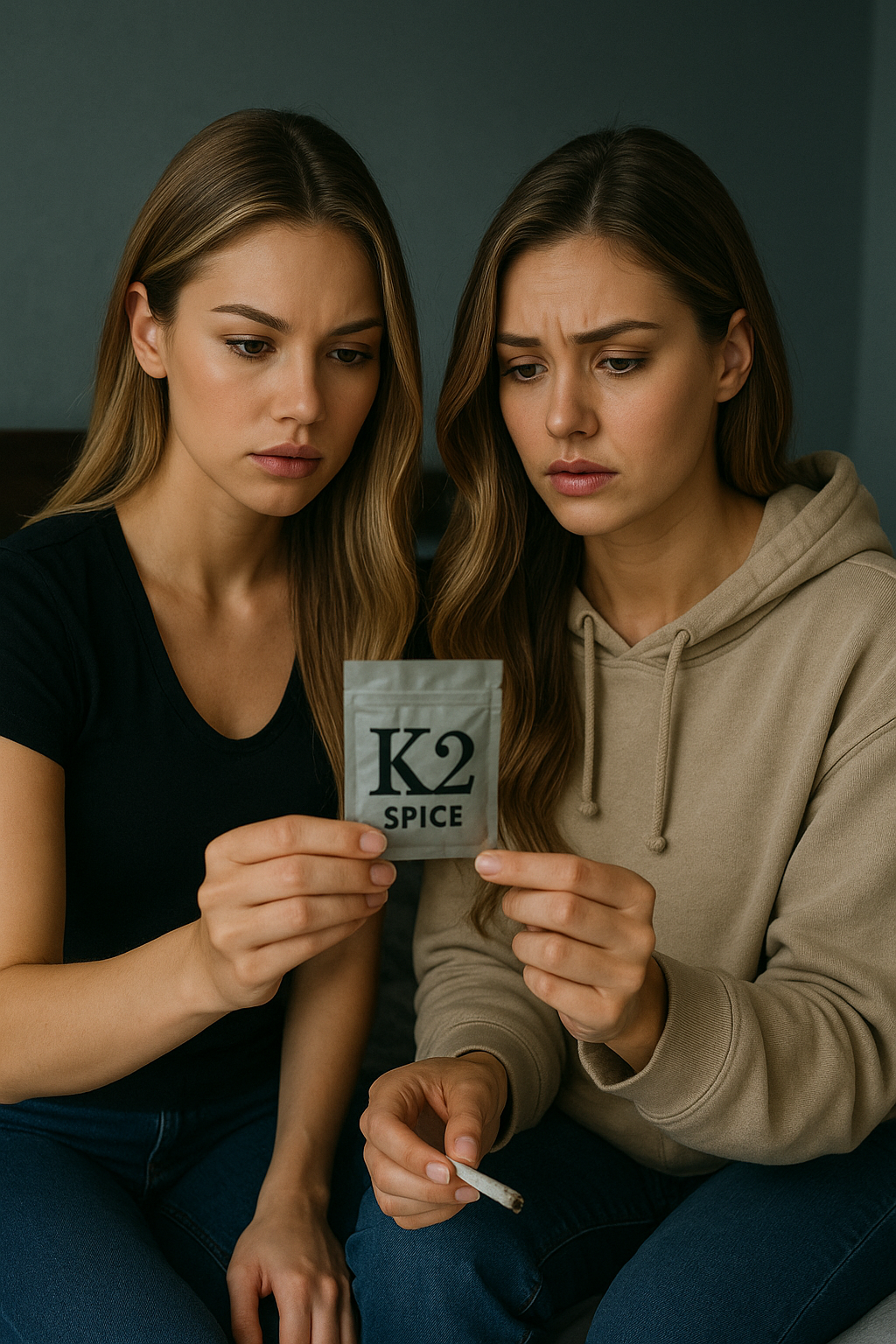
In recent years, the term “synthetic drugs” has become more and more common—but many people still don’t understand what these substances are or how dangerous they can be. Marketed with flashy names like “Spice,” “K2,” “Flakka,” or “Bath Salts,” synthetic drugs are often disguised as harmless alternatives to marijuana, ecstasy, or other illicit drugs. But make no mistake: these chemical cocktails are anything but safe. In fact, synthetic drugs are one of the most unpredictable and dangerous threats in the world of substance abuse today.
So, what exactly are synthetic drugs? Unlike traditional drugs that are derived from natural sources—like marijuana from the cannabis plant or cocaine from the coca leaf—synthetic drugs are man-made. Scientists (or more accurately, underground chemists) create these substances in labs by combining chemicals designed to mimic the effects of more well-known drugs. The twist? These compounds are constantly changing. Every time a government bans one chemical formula, another slightly tweaked version pops up to take its place. It’s a dangerous game of chemical whack-a-mole that puts users at serious risk.
One of the biggest issues with synthetic drugs is how easy they are to obtain. They’re often sold in gas stations, smoke shops, or online under innocent labels like “incense,” “plant food,” or “research chemicals.” Their packaging may say “not for human consumption,” but everyone knows that’s just a way to avoid regulation. The illusion of legality tricks many people—especially teens—into thinking these substances are safer than they actually are.
But the effects of synthetic drugs can be terrifying. Synthetic cannabinoids like K2 or Spice can cause extreme paranoia, hallucinations, aggression, and seizures. Some people have even experienced suicidal thoughts or violent outbursts after just one use. Synthetic stimulants like “Bath Salts” can lead to heart attacks, psychosis, and uncontrollable rage. These aren’t just worst-case scenarios—they’re common outcomes. Emergency rooms across the country have seen waves of overdoses from users who had no idea what they were putting into their bodies.
What makes synthetic drugs especially dangerous is their unpredictability. Two packets of the same brand might have completely different chemical compositions. One might give you a mild high, and the other could send you into a coma. There’s no quality control, no safety testing, and no way to know what dose you’re taking. This means every time someone uses a synthetic drug, they’re essentially playing Russian roulette with their life.
For people struggling with addiction, synthetic drugs can be particularly harmful. Many turn to these substances because they aren’t detected by standard drug tests or because they’re cheaper than traditional drugs. But these so-called “legal highs” often create more intense cravings and withdrawal symptoms, making it even harder to break the cycle of addiction.
So how can we combat the growing threat of synthetic drugs? Education and awareness are key. Parents need to talk to their children about these substances just as seriously as they would about heroin or meth. Communities need to support prevention programs that focus on youth. And those already struggling with addiction need access to treatment centers that understand how to handle synthetic drug abuse—places that offer medical detox, therapy, and long-term support.
Synthetic drugs might not always make the headlines, but they’re a real and pressing danger. They’re cheap, easy to get, and incredibly harmful. Whether it’s a curious teen, a stressed-out college student, or someone battling long-term addiction, the risk is real for anyone who crosses paths with these toxic chemicals.
The best defense against synthetic drugs is knowledge, support, and treatment. If you or someone you love is struggling, don’t wait until it’s too late. Help is out there, and recovery is always possible.
If you or a loved one are struggling with addiction or mental health issues, please give us a call today at 855-952-3546