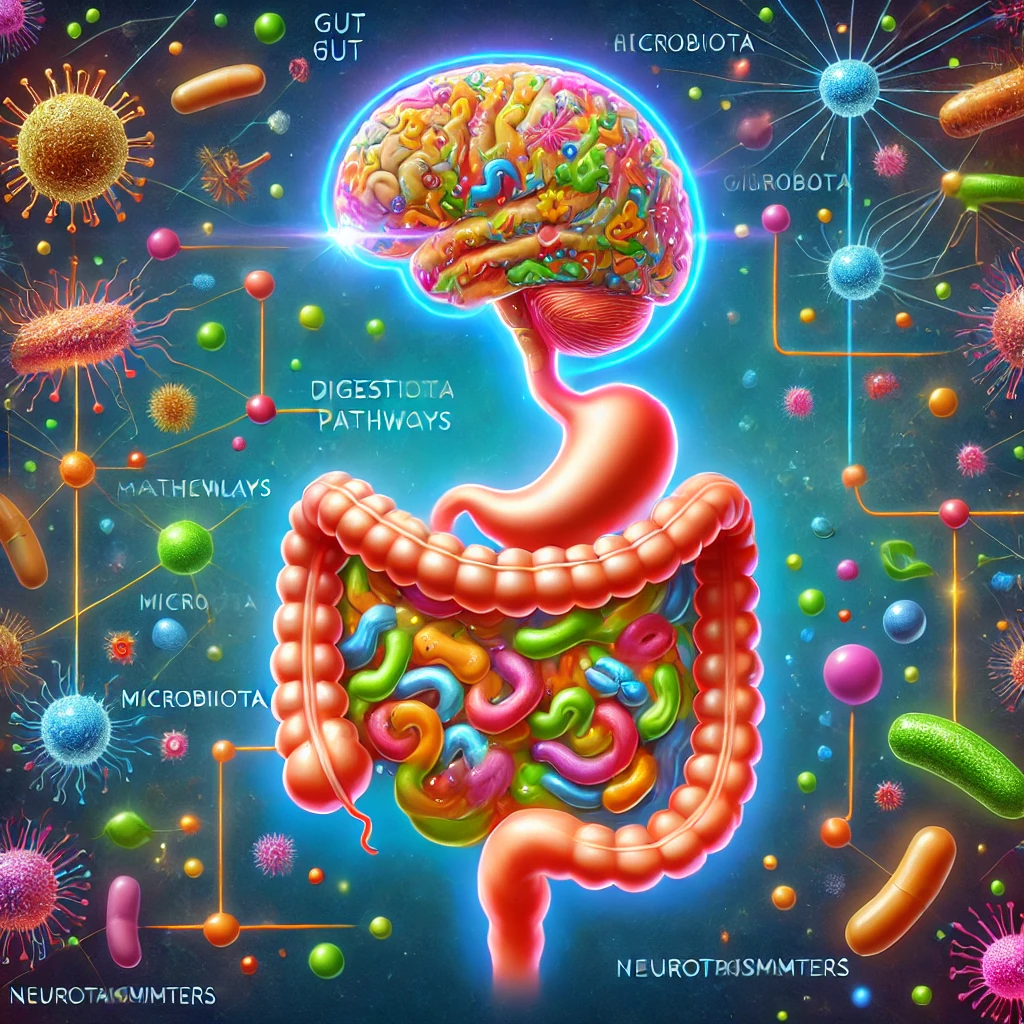
Have you ever felt butterflies in your stomach before a big event? Or noticed your digestive system acting up during stressful times? These gut reactions aren’t just coincidences; they highlight the deep connection between gut health and anxiety. Scientists have discovered that the gut and brain are in constant communication, influencing mood, emotions, and overall mental well-being.
The Gut-Brain Connection
The gut is often referred to as the “second brain” due to its complex network of nerves and its ability to produce neurotransmitters like serotonin and dopamine. In fact, about 90% of serotonin, the “feel-good” neurotransmitter, is produced in the gut. This means that an imbalance in gut bacteria, known as dysbiosis, can impact mental health and contribute to anxiety disorders.
The gut and brain communicate through the gut-brain axis, a two-way connection that links the central nervous system with the enteric nervous system in the digestive tract. When the gut is unhealthy, it can send distress signals to the brain, leading to increased feelings of stress and anxiety.
How an Unhealthy Gut Contributes to Anxiety
Several factors can disrupt gut health and, in turn, affect mental health. Here’s how:
- Imbalanced Gut Bacteria: The gut microbiome consists of trillions of bacteria that help regulate digestion, immunity, and mood. When harmful bacteria outnumber beneficial ones, it can lead to inflammation and increased anxiety.
- Leaky Gut Syndrome: When the intestinal lining becomes permeable, toxins and bacteria can enter the bloodstream, triggering an immune response that can contribute to mental health disorders, including anxiety.
- Nutrient Deficiencies: Poor gut health can impair nutrient absorption, leading to deficiencies in essential vitamins and minerals like magnesium, B vitamins, and omega-3 fatty acids, which play a crucial role in regulating mood.
- Inflammation: Chronic gut inflammation has been linked to increased levels of cortisol, the body’s primary stress hormone. High cortisol levels can lead to heightened anxiety and even panic attacks.
Ways to Improve Gut Health and Reduce Anxiety
- Eat a Gut-Friendly Diet: Incorporate probiotic-rich foods like yogurt, kefir, kimchi, and sauerkraut. Prebiotic foods like bananas, garlic, and onions help feed good bacteria.
- Reduce Processed Foods and Sugar: A diet high in refined sugars and processed foods can promote inflammation and disrupt gut bacteria balance.
- Stay Hydrated: Drinking plenty of water helps maintain gut health by promoting digestion and nutrient absorption.
- Manage Stress: Practices like meditation, deep breathing, and exercise can help regulate the gut-brain axis and reduce anxiety levels.
- Get Enough Sleep: Poor sleep can negatively affect gut bacteria and increase stress levels. Aim for 7-9 hours of quality sleep per night.
- Consider Probiotics and Supplements: Taking high-quality probiotic supplements can help restore gut balance. Additionally, omega-3s and magnesium can support both gut and brain health.
The link between gut health and anxiety is undeniable. By taking care of your gut, you are also taking care of your mind. Small dietary and lifestyle changes can make a significant difference in reducing anxiety and improving overall well-being. So, the next time you feel anxious, consider looking at what’s going on in your gut—it might just be the key to feeling better!
If you or a loved one are struggling with addiction or mental health issues, please give us a call today at 855-952-3546