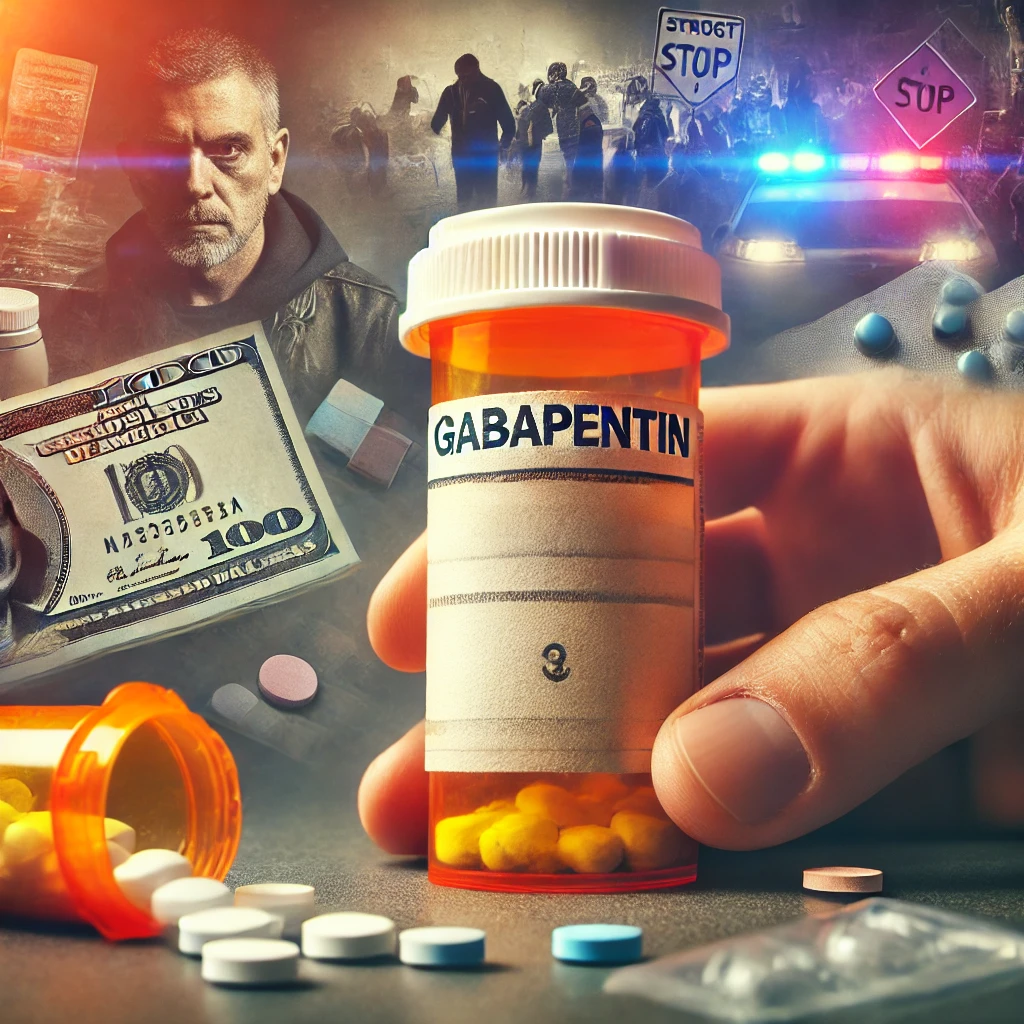
Gabapentin, a medication primarily prescribed to treat nerve pain and seizures, is gaining attention for its increasing abuse on the streets. Originally developed to help those suffering from conditions such as post-herpetic neuralgia, fibromyalgia, and epilepsy, Gabapentin has now found its way into the hands of those seeking recreational effects. While it’s effective for its intended medical use, there’s a growing concern about its potential for misuse, especially as more individuals turn to it as a substitute for other controlled substances.
What is Gabapentin?
Gabapentin is classified as an anticonvulsant, but it also serves as a treatment for various types of nerve pain. It works by affecting the way nerves send signals to the brain, which can alleviate the discomfort associated with conditions like shingles or diabetic neuropathy. Doctors commonly prescribe it as part of a broader treatment plan, either alone or in combination with other medications.
Unlike opioids and benzodiazepines, Gabapentin is not inherently addictive, and it has a low risk of abuse when taken as prescribed. However, like many medications, its misuse is on the rise, and the consequences can be far-reaching.
The Rise of Gabapentin Abuse
In recent years, there has been a notable increase in the non-medical use of Gabapentin, especially in the context of opioid addiction. Many individuals who are dependent on opioids are turning to Gabapentin to enhance their high or alleviate withdrawal symptoms. Gabapentin has mild sedative properties, and when taken in large doses, it can produce feelings of euphoria, relaxation, and calm, making it appealing to people seeking to self-medicate.
This trend is concerning, as it can lead to a dangerous cycle of dependency and misuse. Studies suggest that Gabapentin abuse has risen alongside opioid use, especially as tighter regulations make it harder to access prescription painkillers. Some abusers even combine Gabapentin with alcohol or other drugs, increasing the risks of overdose and severe side effects.
Why Gabapentin is Attractive to Abusers
One reason Gabapentin abuse is on the rise is that it is often perceived as a “safer” option compared to illicit street drugs. Since it’s legally prescribed and not classified as a controlled substance in many regions, it’s easier to obtain without the same legal risks associated with drugs like heroin or methamphetamine. This accessibility makes it an appealing choice for individuals struggling with addiction.
Additionally, Gabapentin doesn’t always show up on routine drug tests, which can further fuel its appeal among those looking to avoid detection. While its use is legal when prescribed by a doctor, recreational use is illegal and can lead to serious health risks.
The Dangers of Gabapentin Abuse
Although Gabapentin is generally considered safe when taken as prescribed, abusing the drug can have serious consequences. At higher doses, it can cause a range of adverse effects, including dizziness, drowsiness, confusion, and even respiratory depression. In extreme cases, abuse can lead to coma or death, especially if combined with other depressant substances like alcohol or opioids.
Gabapentin misuse can also lead to physical and psychological dependence. Symptoms of withdrawal include anxiety, insomnia, nausea, and seizures, which can be difficult for individuals to manage without medical supervision.
Preventing Gabapentin Abuse
Healthcare providers play a crucial role in preventing Gabapentin abuse by carefully monitoring prescriptions and educating patients on the risks of misuse. If you or someone you know is struggling with substance abuse, it’s essential to seek help immediately. Addiction treatment centers can provide support, guidance, and resources to help individuals overcome addiction and regain control of their lives.
Public awareness about the risks of Gabapentin abuse is also vital. As the drug continues to become more popular on the streets, it’s essential for communities to recognize the signs of abuse and take proactive steps to prevent it.
Gabapentin, a commonly prescribed medication, is increasingly being abused as a street drug. While it remains a valuable tool in treating certain medical conditions, its misuse can have dangerous consequences. By understanding the risks and taking steps to prevent abuse, we can help reduce the spread of this emerging public health concern and ensure that Gabapentin continues to be used safely and responsibly.
If you or a loved one are struggling with addiction or mental health issues, please give us a call today at 855-952-3546