How Fentanyl Is Contributing to the Surge in Opioid Overdoses
In recent years, the opioid crisis has taken a devastating turn with the emergence of fentanyl, a synthetic opioid up to 50 times more potent than heroin and 100 times stronger than morphine. This tiny but powerful drug is now at the center of a surge in opioid overdoses across the United States, affecting individuals from all walks of life.
What Is Fentanyl?
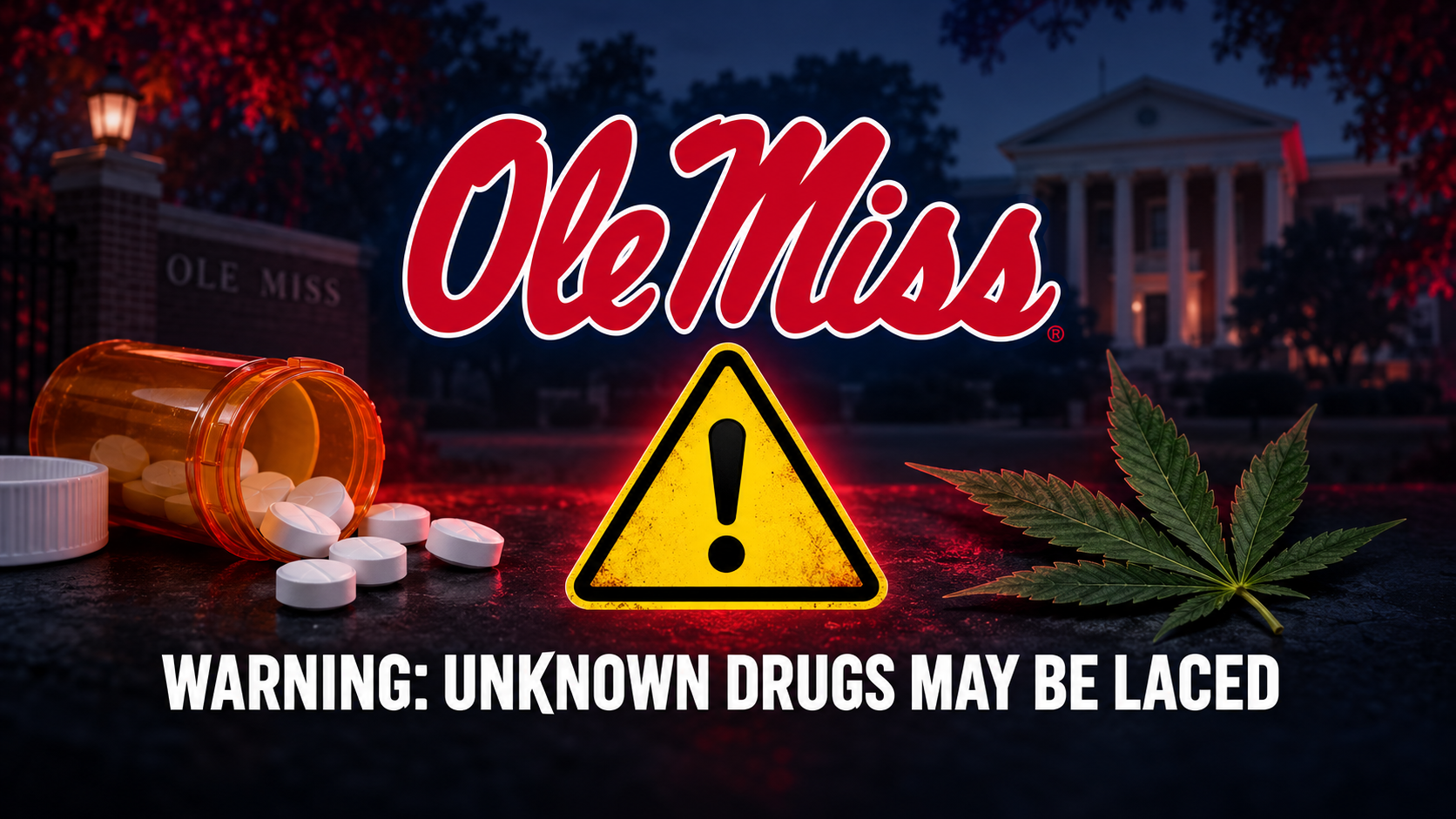
Fentanyl was originally developed as a painkiller for patients with severe pain, such as those undergoing cancer treatment or recovering from major surgery. Its medical applications are typically tightly regulated, but illicitly manufactured fentanyl has infiltrated the illegal drug market. Unlike pharmaceutical fentanyl, which is controlled and used under strict guidelines, street fentanyl is often mixed with other substances like heroin, cocaine, or counterfeit pills, creating a deadly combination.
The Deadly Potency of Fentanyl
One of the primary reasons fentanyl is so dangerous is its potency. Even a tiny amount—as small as two milligrams—can be lethal. Its high potency increases the risk of accidental overdose, particularly when users are unaware that the drugs they are taking have been laced with fentanyl. Many overdoses occur because individuals are not prepared for the rapid and intense effects that fentanyl induces.
How Fentanyl Enters the Drug Supply
Illicit fentanyl is predominantly manufactured in clandestine labs, often in other countries, and smuggled into the U.S. by drug cartels. Dealers frequently add it to other drugs to increase potency and profitability, but this practice is unpredictable and highly dangerous. A user expecting a standard dose of heroin or a prescription pain pill may instead ingest a deadly amount of fentanyl without realizing it.
The Alarming Rise in Overdose Deaths
According to the Centers for Disease Control and Prevention (CDC), synthetic opioids like fentanyl are now the leading cause of drug overdose deaths in the U.S. In 2022 alone, fentanyl was implicated in over 70% of opioid-related fatalities. The rapid rise in these numbers highlights the urgent need for public awareness, better access to treatment, and wider availability of life-saving interventions like naloxone (Narcan).
Narcan: A Lifesaving Tool
Narcan, a nasal spray that can reverse the effects of an opioid overdose, has become a crucial tool in combating the fentanyl crisis. However, its effectiveness depends on timely administration. With fentanyl overdoses often occurring more quickly than those involving other opioids, bystanders and first responders must act fast to save lives. Increased availability of Narcan in public spaces, schools, and even vending machines is helping to reduce fatalities, but more work needs to be done to make it universally accessible.
Addressing the Crisis: Prevention and Treatment
To tackle the fentanyl-driven overdose crisis, a multifaceted approach is necessary. This includes raising public awareness about the dangers of fentanyl, increasing funding for addiction treatment programs, and cracking down on the illegal manufacturing and distribution of synthetic opioids. Harm reduction strategies, such as supervised injection sites and drug-checking services, can also play a critical role in preventing overdoses by allowing users to test their substances for fentanyl before use.
The Importance of Education
Education is a vital component in combating the fentanyl epidemic. People need to understand the risks associated with opioids, the potential for fentanyl contamination, and the importance of seeking help if they or someone they know is struggling with addiction. Communities, schools, and workplaces can all play a role in spreading awareness and reducing the stigma around seeking treatment.
Hope for Recovery
While the fentanyl crisis is a formidable challenge, recovery is possible with the right resources and support. Treatment centers specializing in opioid addiction, such as those offering medically assisted detox and counseling, provide hope for individuals and families affected by this epidemic. By addressing the root causes of addiction and ensuring access to effective treatments, we can begin to turn the tide on this devastating crisis.
Fentanyl has become a significant driver of the opioid overdose epidemic, taking thousands of lives and leaving a trail of grief and loss. However, with increased education, better access to treatment, and innovative harm reduction strategies, we can work towards a future where fewer lives are lost to this deadly drug. Together, communities, policymakers, and healthcare providers must continue to fight this battle, offering hope and resources to those who need it most.
If you or a loved one are struggling with addiction or mental health issues, please give us a call today at 855-952-3546