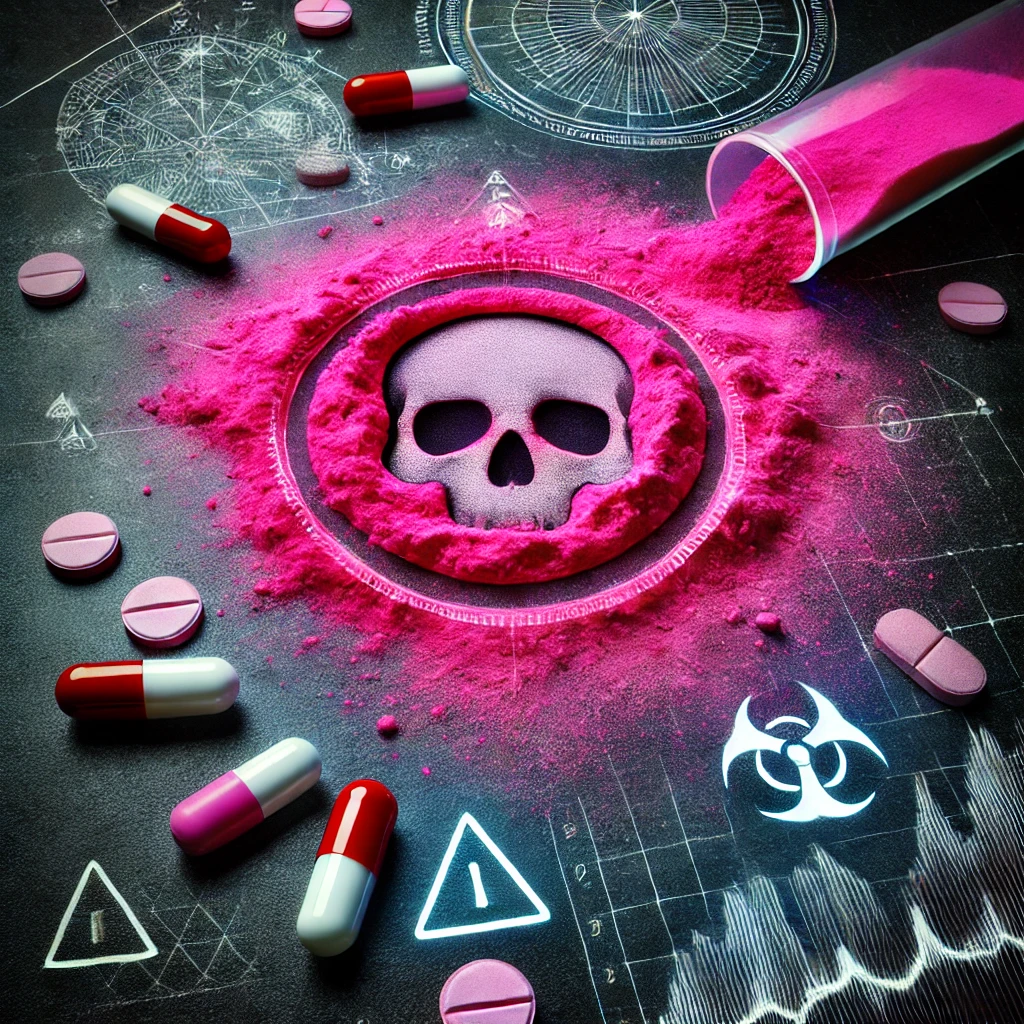
The Growing Concern of “Pink Cocaine”: What You Need to Know
In recent years, the term “Pink Cocaine” has gained attention across social media and news outlets. Contrary to its name, Pink Cocaine is not actually cocaine but rather a synthetic drug called 2C-B. This hallucinogenic substance is becoming increasingly popular in party scenes across South America, Europe, and even the United States. Its vibrant pink appearance and promises of euphoric effects have made it alluring, but the dangers lurking behind its colorful facade are cause for concern.
What is Pink Cocaine?
Originally synthesized in the 1970s, 2C-B (2,5-dimethoxy-4-
Users of Pink Cocaine report a mix of stimulant and hallucinogenic effects, often likened to a combination of MDMA and LSD. This unique profile makes it particularly appealing for partygoers seeking both energy and visual or emotional enhancement.
The Rise in Popularity
The resurgence of 2C-B under the moniker “Pink Cocaine” has been fueled by its glamorization on social media and its association with celebrity culture. It’s marketed as a “designer drug,” giving it an air of exclusivity and luxury. However, this trend obscures the harsh realities of its production and use.
In countries like Colombia, where it has become a booming underground market, reports suggest that cartels are manufacturing Pink Cocaine with little oversight, often lacing it with other dangerous substances to increase potency or cut costs. These adulterants increase the risk of overdose and adverse reactions.
Why is it Dangerous?
While many users perceive Pink Cocaine as safer than traditional drugs like cocaine or heroin, the reality is far from it. Here’s why:
- Unpredictable Effects:
The effects of 2C-B vary widely based on dosage, individual tolerance, and setting. Even small changes in dosage can lead to intense hallucinations, paranoia, or panic attacks. - Adulteration Risks:
Pink Cocaine is often mixed with unknown substances, including fentanyl, methamphetamine, or other synthetic drugs, significantly raising the risk of overdose or death. - Physical and Mental Health Impact:
Regular use can lead to severe mental health issues such as anxiety, depression, and psychosis. Physically, users may experience nausea, increased heart rate, and dangerous dehydration. - Addiction Potential:
Although 2C-B itself is not classified as highly addictive, its stimulant effects can lead to habitual use, particularly in social settings where users feel pressured to maintain a euphoric high.
Legal Status and Accessibility
2C-B is classified as a Schedule I substance in the United States, meaning it has no accepted medical use and a high potential for abuse. Despite this, its production and distribution are flourishing on the black market, often disguised as other substances. Online platforms and encrypted messaging apps make it easier than ever to obtain, further complicating law enforcement efforts to crack down on its circulation.
Protecting Yourself and Loved Ones
The rise of Pink Cocaine underscores the importance of education and awareness around drug use. Here are steps you can take:
- Stay Informed: Learn about the risks and effects of synthetic drugs. Knowledge is a powerful tool for prevention.
- Talk to Loved Ones: Open and honest conversations about the dangers of drugs can help deter use.
- Recognize the Signs: Symptoms of Pink Cocaine use include dilated pupils, erratic behavior, and unusual mood swings. If you suspect someone is using, encourage them to seek help.
- Seek Professional Treatment: If you or someone you know is struggling with substance use, reaching out to a treatment center is a crucial step. Facilities like Eternal Purpose Recovery offer comprehensive care for those battling addiction.
Final Thoughts
The allure of Pink Cocaine is a dangerous trend that highlights the evolving challenges of the global drug crisis. While its colorful branding and glamorous reputation may seem appealing, the risks far outweigh any fleeting high. By raising awareness and providing resources for those in need, we can combat the growing concern of this synthetic substance and its impact on our communities.
If you or a loved one are struggling with addiction or mental health issues, please give us a call today at 855-952-3546