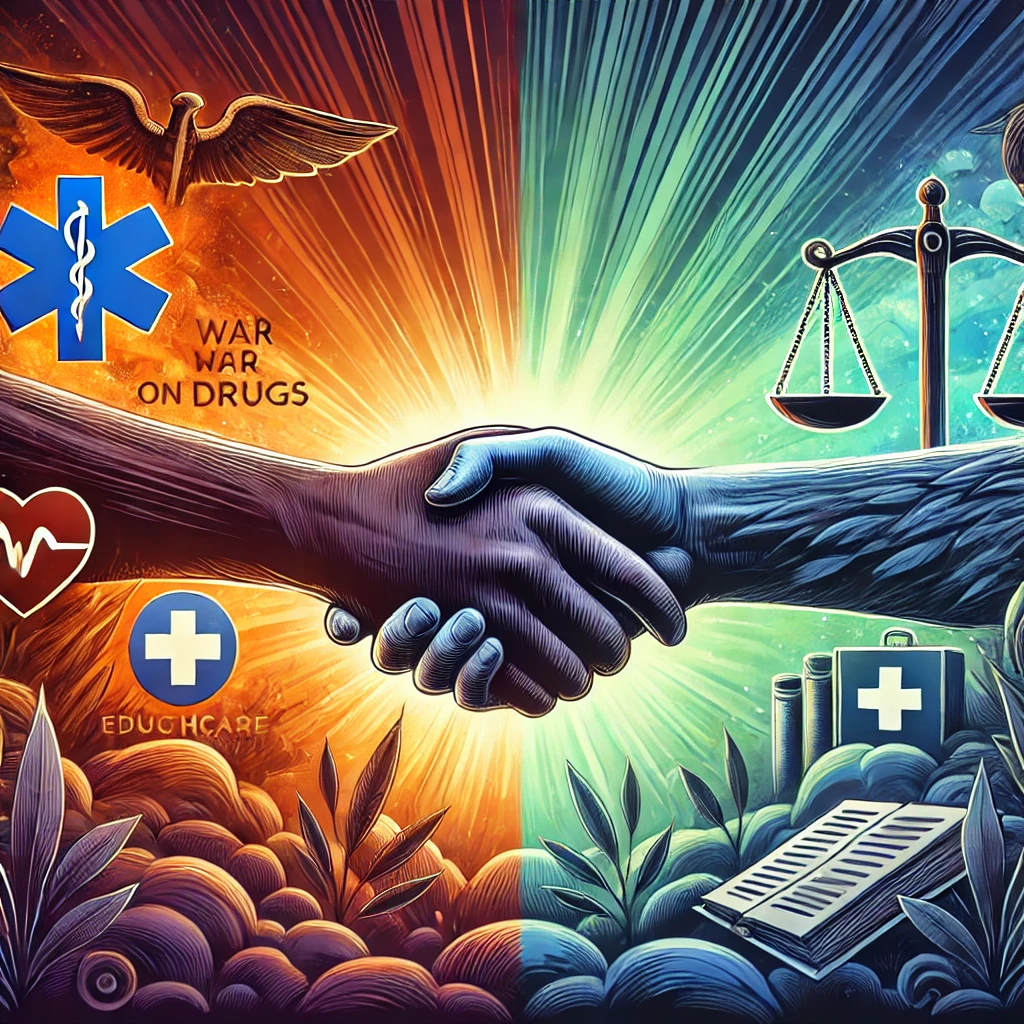
The war on drugs has been waged for decades, but has it truly solved the problems it set out to address? Many argue it hasn’t. Instead, it has created new issues, like overcrowded prisons, increased stigma for people who use drugs, and unsafe drug supplies. Ending the war on all drugs might seem radical, but it could open the door to better health, safety, and fairness for everyone.
The Problem with the War on Drugs
The war on drugs began with good intentions: to reduce illegal drug use and keep communities safe. But over the years, it has caused more harm than good.
For example:
- Prison Overcrowding: Nonviolent drug offenders fill many prisons, leaving little room for those who commit serious crimes.
- Unsafe Streets: People buying drugs from unregulated markets risk getting substances mixed with harmful chemicals, leading to overdoses.
- Healthcare Gaps: Criminalizing drug use makes people afraid to seek help, worsening addiction and related health problems.
A Better Way Forward
So, what could ending the war on drugs look like? Many experts suggest focusing on harm reduction and treatment, rather than punishment. Here’s how it could work:
- Decriminalization: This means people wouldn’t go to jail for having small amounts of drugs. Instead, they could get help if they need it.
- Safe Supply: Regulated programs could provide safe versions of substances, reducing overdoses and unsafe conditions.
- Education: Honest information about drugs and their risks could help people make better choices.
- Treatment First: Instead of jail, people struggling with addiction could go to rehab or therapy.
Real-Life Examples of Success
Some countries have already taken steps toward ending the war on drugs. For example:
- Portugal decriminalized all drugs in 2001. Instead of jail, people caught with drugs get counseling or treatment. Drug use hasn’t increased, and overdose deaths have dropped dramatically.
- Switzerland offers supervised heroin programs for people with severe addictions. These programs have reduced crime and improved the health of participants.
Why It Makes Sense
Ending the war on drugs isn’t about encouraging drug use—it’s about being realistic. People will use drugs no matter what. Instead of punishing them, we can create a system that reduces harm, helps people stay safe, and provides support for those who want to quit.
By focusing on health and safety, we can:
- Save lives by preventing overdoses.
- Save money by reducing prison costs and focusing on treatment.
- Save families from the trauma of losing loved ones to addiction or jail.
The Next Steps
The idea of ending the war on drugs may feel new or even scary, but it’s a conversation worth having. Communities, leaders, and organizations can work together to create policies that prioritize health over punishment.
It’s time to rethink how we approach drugs. By focusing on compassion and science, we can build a future where fewer people suffer and everyone has access to the help they need.
If you or a loved one are struggling with addiction or mental health issues, please give us a call today at 855-952-3546