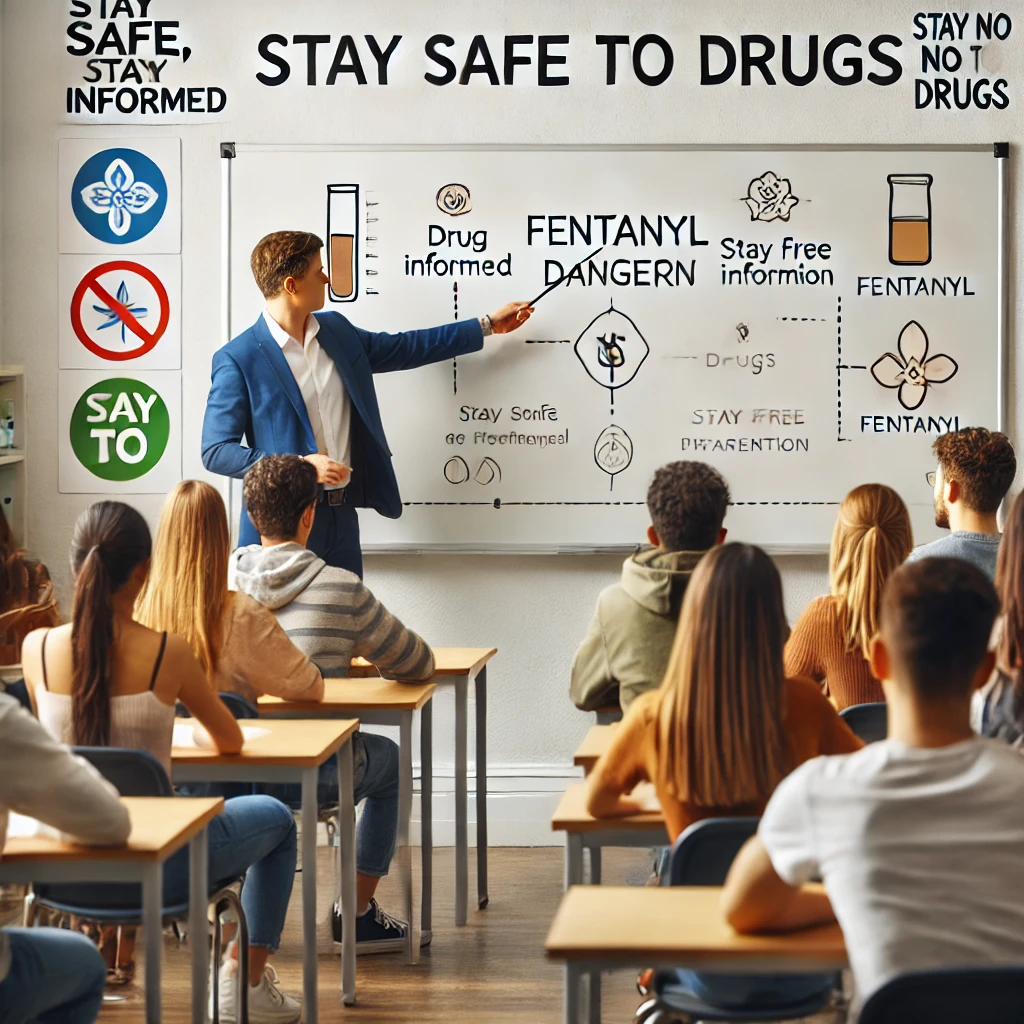
Fentanyl abuse has become one of the most pressing issues in the fight against drug addiction. This potent synthetic opioid is responsible for thousands of overdose deaths each year. While treatment and law enforcement play critical roles in addressing the crisis, education is a powerful tool for prevention. By teaching people about the dangers of fentanyl and providing strategies to avoid its misuse, we can save lives and protect communities.
What Is Fentanyl?
Fentanyl is a prescription drug often used to treat severe pain, especially after surgery or for cancer patients. However, illegal fentanyl is being made and sold on the streets, often mixed with other drugs like heroin, cocaine, or fake pills. The problem? Fentanyl is 50 times stronger than heroin and 100 times stronger than morphine. Even a tiny amount can cause an overdose.
Why Education Matters
Education creates awareness. Many people don’t know how dangerous fentanyl is, especially teens and young adults who might try drugs without realizing the risks. Schools, parents, and community leaders can all play a part in educating others about the dangers of fentanyl.
When people know the facts, they’re less likely to experiment with drugs or fall into dangerous habits. For example, if young people learn that just one pill can be fatal, they might think twice before taking something offered by a friend or stranger.
Teaching Kids Early
Starting drug education early is key. Schools should include age-appropriate lessons about fentanyl and other drugs as part of their health curriculum. Younger kids can learn about the importance of saying “no” to unknown substances, while older students can dive deeper into the science of addiction and the real-life dangers of fentanyl.
Programs that use interactive tools—like videos, discussions, and personal stories—tend to be the most effective. Hearing from someone who has struggled with addiction or lost a loved one to fentanyl can leave a lasting impact on students.
Involving Parents
Parents are a child’s first teacher. Open, honest conversations at home about the dangers of drugs can help kids feel prepared if they face peer pressure. Parents don’t need to be experts; they just need to be willing to talk and listen.
Here are some tips for parents:
- Start early: Even elementary school kids can understand basic safety rules about medicine and drugs.
- Be clear and direct: Explain that fentanyl is deadly and that they should never take any pill that doesn’t come from a doctor or pharmacy.
- Stay involved: Know who your kids’ friends are and where they spend their time.
Community Programs Make a Difference
Outside of schools and homes, community programs can spread awareness about fentanyl abuse. Workshops, town halls, and public service announcements (PSAs) can reach a broader audience. Programs like Narcan training, which teaches people how to reverse an opioid overdose, can save lives.
Some communities are also installing Narcan vending machines or handing out fentanyl testing strips. These tools empower people to make safer choices while continuing to raise awareness.
Using Social Media for Good
Let’s face it: most teens and young adults are glued to their phones. Social media can be a powerful way to spread the message about fentanyl’s dangers. Platforms like Instagram, TikTok, and YouTube are great places to share videos, graphics, and testimonials that warn about fentanyl.
Instead of ignoring the online world, we can use it as a tool to reach the people most at risk.
Knowledge is Power
Education won’t solve the fentanyl crisis overnight, but it’s a vital step. When people understand the risks, they’re less likely to experiment with drugs. By teaching kids, parents, and communities about fentanyl, we can prevent abuse and save lives.
If you or someone you know is struggling with substance abuse, don’t wait to get help. There are resources and treatment centers ready to support you. Let’s work together to create a future where fentanyl abuse is no longer a threat.
If you or a loved one are struggling with addiction or mental health issues, please give us a call today at 855-952-3546