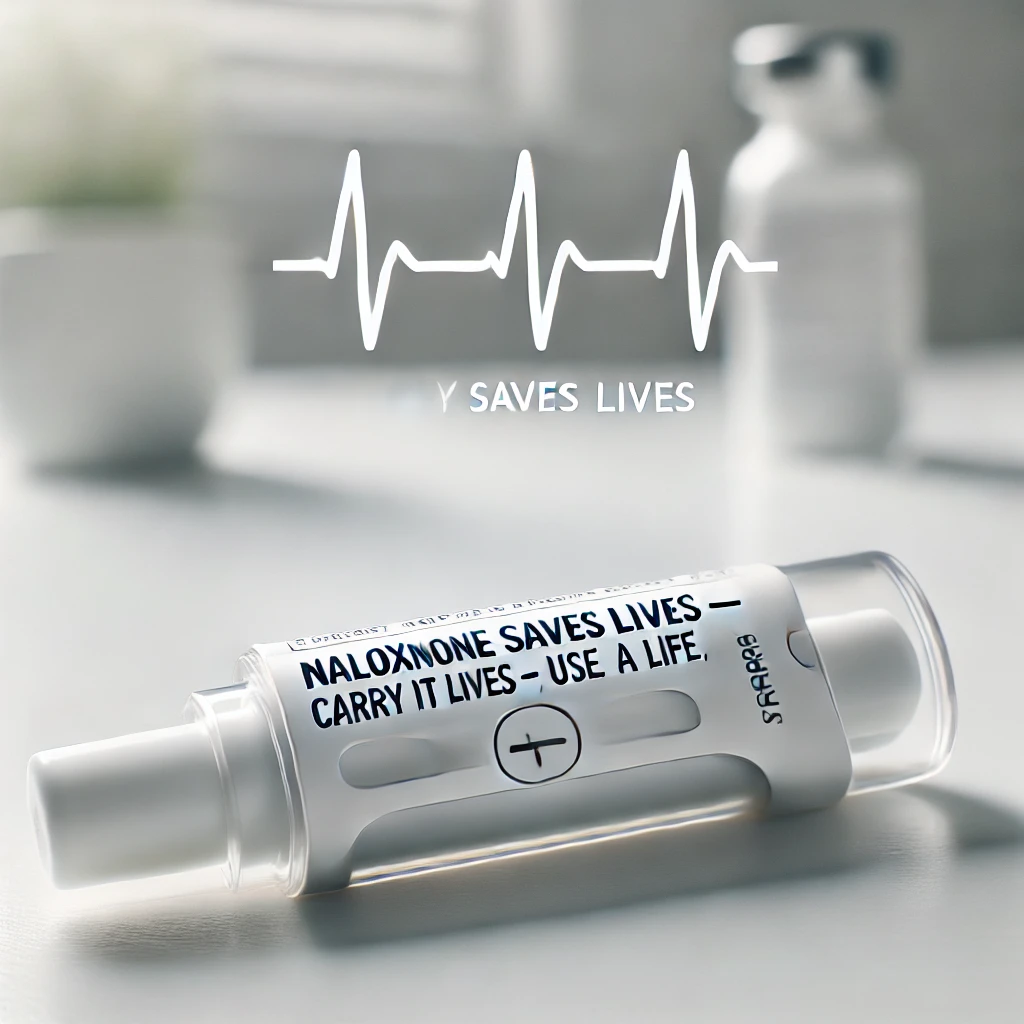
The rise of fentanyl overdoses has become a heartbreaking crisis in communities worldwide. Fentanyl, a powerful synthetic opioid, is 50 to 100 times stronger than morphine. Even a tiny amount can be deadly. This is where naloxone, a life-saving medication, steps in as a hero.
What is Naloxone?
Naloxone, commonly known by the brand name Narcan, is a medication designed to reverse opioid overdoses. It works by quickly blocking the effects of opioids on the brain, which can restore breathing in someone experiencing an overdose. Available as a nasal spray or injectable, naloxone is easy to use, even for someone without medical training.
Why is Naloxone So Important?
The opioid crisis has been made worse by fentanyl, which is often mixed with other drugs without the user’s knowledge. This increases the risk of an accidental overdose. Naloxone is crucial because:
- It Saves Lives: A fentanyl overdose can cause breathing to stop within minutes. Naloxone acts fast, giving people a second chance at life.
- It’s Accessible: Naloxone is available without a prescription in many places, making it easy for family members, friends, and community members to have on hand.
- It Buys Time: Administering naloxone can stabilize a person until emergency medical help arrives.
How Does Naloxone Work?
When someone overdoses on fentanyl or other opioids, their breathing slows or stops. Naloxone works by latching onto the same receptors in the brain that opioids target, effectively kicking the drugs off and reversing their effects. This can restore normal breathing within minutes.
The Impact of Fentanyl Overdoses
Fentanyl overdoses have taken an alarming toll on communities. According to the CDC, over 70,000 people died from synthetic opioid overdoses in the U.S. in 2021 alone. Many of these deaths could have been prevented with timely naloxone intervention.
Who Should Carry Naloxone?
The answer is simple: everyone. Here’s why:
- Friends and Family of Users: They are often the first on the scene during an overdose.
- Healthcare Providers: Doctors, nurses, and pharmacists play a critical role in training others on how to use naloxone.
- Community Members: Many overdoses happen in public spaces, so bystanders with naloxone can save lives.
Breaking the Stigma
Unfortunately, there is still a stigma around opioid addiction and naloxone use. Some people believe that carrying naloxone encourages drug use. This is a dangerous misconception. Naloxone doesn’t enable addiction—it saves lives and provides an opportunity for people to seek help and recover.
How to Get Naloxone
Naloxone is often available at pharmacies, community health centers, and harm reduction programs. In many places, it’s free or covered by insurance. Some communities even offer training sessions on how to use it effectively.
A Lifesaving Tool, Not a Solution
While naloxone is a powerful tool in the fight against fentanyl overdoses, it’s not a cure for addiction. People saved by naloxone still need comprehensive treatment and support to recover fully. This includes access to addiction treatment centers, mental health care, and community programs.
Together, We Can Save Lives
By making naloxone widely available and encouraging its use, we can combat the fentanyl crisis and save countless lives. Carrying naloxone shows that you care about your community and are ready to make a difference. Together, we can fight back against this devastating epidemic and give people the chance to recover and thrive
If you or a loved one are struggling with addiction or mental health issues, please give us a call today at 855-952-3546