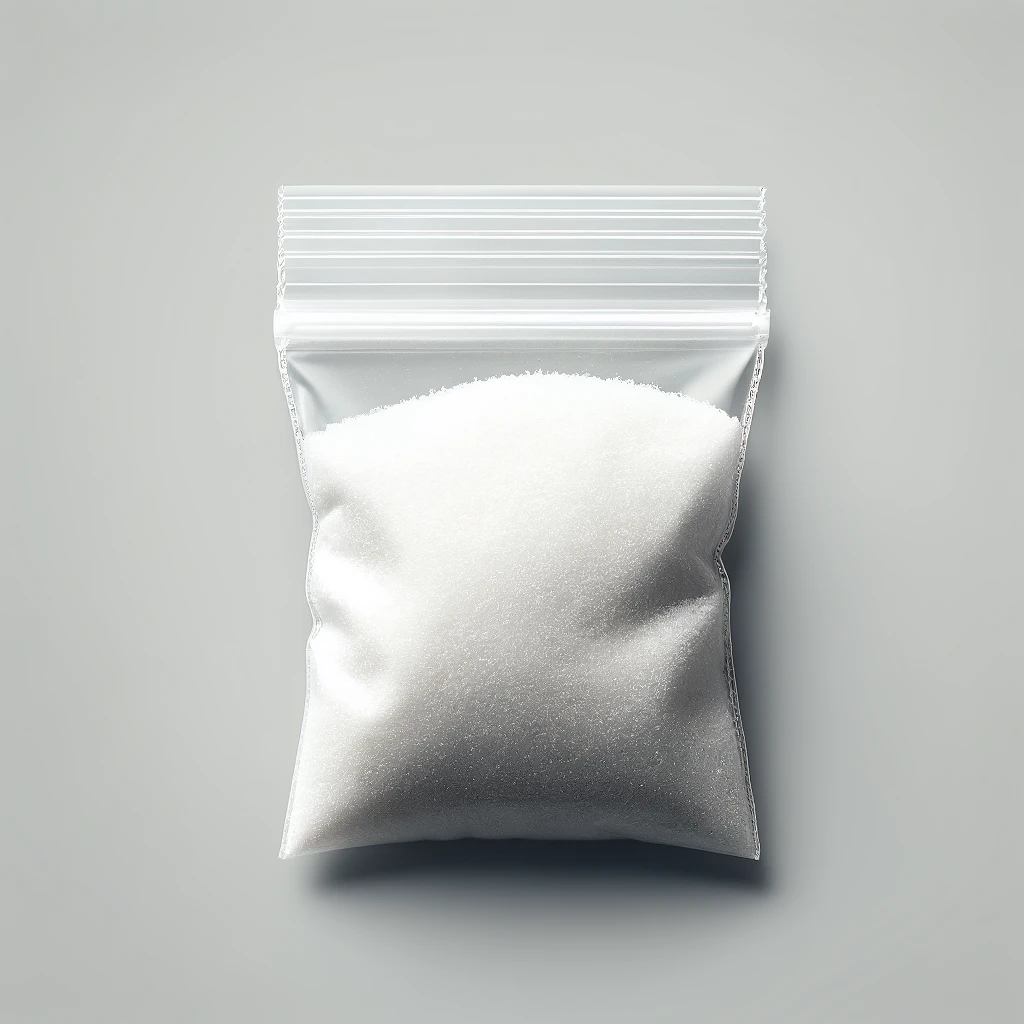
Cocaine is a powerful stimulant drug, and many people wonder how long it stays in their system. Whether for personal health, medical treatment, or other reasons, understanding how cocaine moves through and exits the body is essential. Let’s break down the basics of how cocaine is processed and how long it can be detected in the body.
What Happens When You Take Cocaine?
Once cocaine enters the body, it quickly reaches the brain. This drug affects the central nervous system, producing a strong sense of euphoria or a “high.” It typically takes just a few minutes to feel the effects, which can last anywhere from 5 to 30 minutes, depending on how much was taken and how it was consumed. For example, snorting cocaine typically has effects that last 15 to 30 minutes, while smoking it produces a faster, shorter high lasting about 5 to 10 minutes.
How the Body Processes Cocaine
Cocaine is metabolized primarily by the liver, where it is broken down into various byproducts or metabolites. The primary metabolites of cocaine are benzoylecgonine and ecgonine methyl ester. These substances stay in the body longer than cocaine itself, which is why they are commonly tested for in drug screenings.
The liver does most of the work breaking down cocaine, and from there, the metabolites travel through the bloodstream and are eventually eliminated from the body through urine.
How Long Cocaine Can Be Detected in Different Tests
The time cocaine stays detectable depends on the testing method. Here are some common types of drug tests and how long they can detect cocaine:
- Urine Test
- Detection Time: 1 to 4 days after use
- Cocaine can usually be detected in urine for 1 to 4 days after use. Heavy users might have traces detectable for up to 7 days, but this is rare.
- Blood Test
- Detection Time: 12 to 48 hours after use
- Blood tests can detect cocaine for a shorter period, typically up to two days. Cocaine in the blood leaves the system faster than it does in urine.
- Saliva Test
- Detection Time: 1 to 2 days after use
- Cocaine can be found in saliva for about one to two days after use. This method is common for on-the-spot drug testing since saliva tests are easy to administer.
- Hair Test
- Detection Time: Up to 90 days after use
- A hair test can detect cocaine for up to 90 days after use. Cocaine enters the hair follicles through tiny blood vessels in the scalp, making it detectable for a long time. However, it’s important to note that hair tests usually show long-term use rather than recent consumption.
Factors That Affect How Long Cocaine Stays in Your System
Everyone’s body processes drugs differently, and various factors can impact how long cocaine remains detectable. Some of the key factors include:
- Amount Used: A higher dose of cocaine will stay in the body longer than a small amount.
- Frequency of Use: Regular cocaine use leads to a buildup in the body, making it detectable for a longer period.
- Body Fat: People with higher body fat might retain cocaine metabolites longer, as some substances bind to fatty tissues.
- Metabolism: Those with faster metabolisms may process and eliminate cocaine more quickly.
- Overall Health: A healthy liver and kidneys are essential for drug metabolism. Healthier organs tend to process substances faster than less healthy ones.
Why Does Cocaine Stay Detectable in Some People Longer?
The reason cocaine may stay in some people’s systems longer is often related to their use patterns and body composition. For instance, someone who uses cocaine heavily over an extended period might have cocaine or its metabolites lingering in their system for a longer time due to what’s known as “bioaccumulation.” This is when a substance builds up in the body faster than it can be removed, making it take longer to clear out completely.
The Risks of Cocaine Use and the Importance of Getting Help
While this blog focuses on detection times, it’s essential to acknowledge that cocaine can have severe effects on health and well-being. Cocaine use can lead to addiction, mental health problems, heart issues, and other long-term health concerns. If you or someone you know struggles with cocaine use, reaching out for help can make a significant difference.
Many treatment centers and support programs can provide assistance, from counseling to medically-supervised detox programs that help you safely manage withdrawal symptoms. Taking that first step to get help is one of the best decisions you can make for a healthier future.
Understanding how long cocaine stays in your system can provide clarity, whether for personal or health-related reasons. However, the most important thing to remember is that support is available, and seeking it is a brave step toward a healthier life.