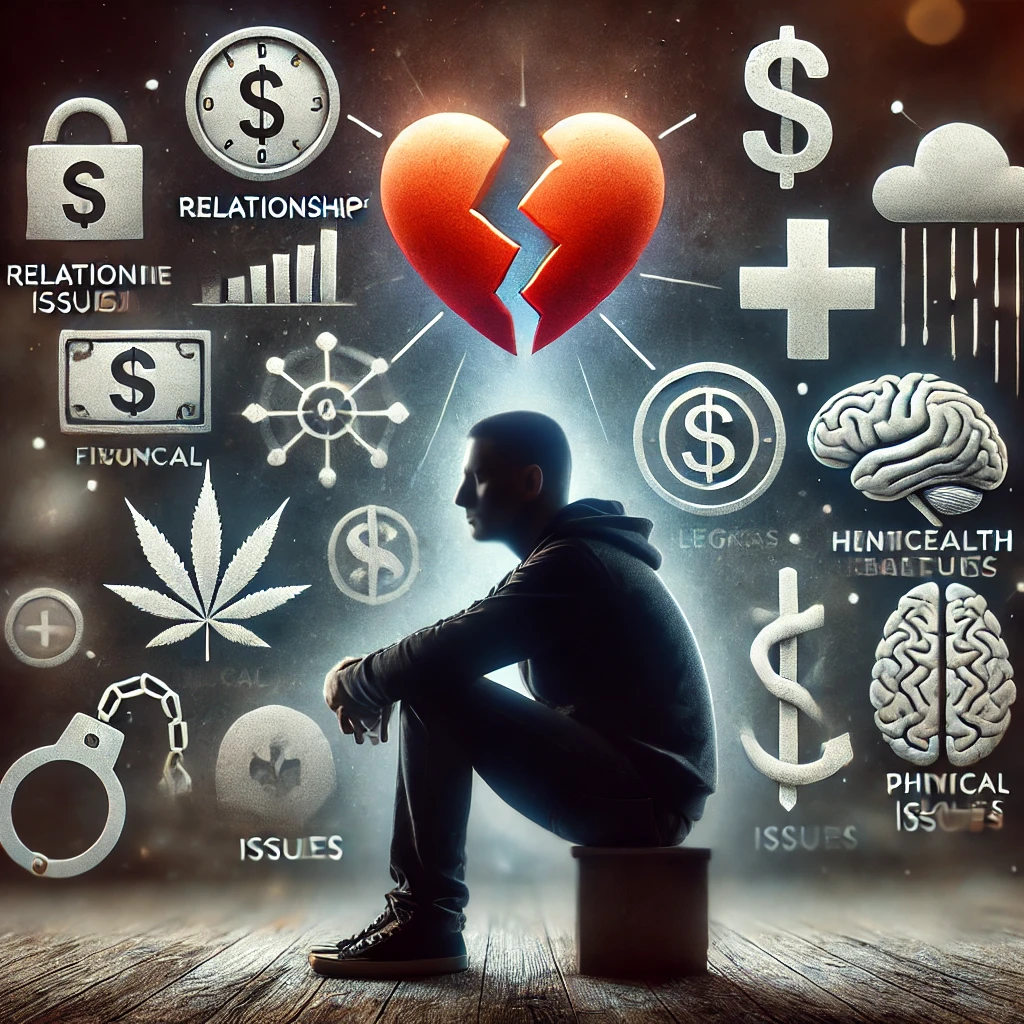
Drugs can have powerful effects on the mind and body, sometimes offering relief from pain or anxiety but also bringing serious risks. Misusing drugs or using them for the wrong reasons can lead to negative health, emotional, and social consequences. This blog explores the main consequences of drug use to help raise awareness and encourage making informed choices.
Physical Health Consequences
Using drugs can lead to a range of physical health problems. Some drugs harm the body over time, while others can cause immediate damage:
- Organ Damage: Many drugs can damage organs like the liver, kidneys, heart, and lungs. For example, opioids, when misused, can cause breathing problems, while stimulants like cocaine can strain the heart.
- Weakened Immune System: Drugs can weaken the immune system, making it harder for the body to fight off infections. This means that people who misuse drugs may get sick more often.
- Risk of Overdose: Some drugs, especially opioids and stimulants, come with a high risk of overdose, which can be fatal. An overdose occurs when a person takes more of a drug than the body can handle, causing systems to shut down.
- Addiction and Dependence: Many drugs are addictive, meaning that they change the brain in ways that make a person feel they need to keep using them. Addiction can make quitting extremely difficult, even when someone wants to stop.
Mental Health Consequences
Drugs can change the way the brain works, often leading to mental health issues. Misusing drugs can make existing mental health problems worse or create new issues:
- Anxiety and Depression: Some drugs may cause temporary feelings of happiness, but these effects are short-lived. Over time, they can lead to increased feelings of sadness, anxiety, and depression, making it difficult for a person to feel normal without using the drug.
- Mood Swings: Drug use can lead to mood swings and emotional instability. This can make a person feel angry or irritable without reason, affecting their relationships and daily life.
- Paranoia and Hallucinations: Some drugs, especially hallucinogens, can cause people to see or hear things that aren’t there, leading to feelings of paranoia. In extreme cases, people may lose touch with reality.
- Increased Risk of Mental Illness: Drugs can contribute to long-term mental health issues, including increased risk for conditions like schizophrenia or bipolar disorder, especially in those already vulnerable to these conditions.
Social Consequences
Drug use doesn’t just affect the individual; it also affects the people around them. Drug misuse can lead to serious social consequences that harm relationships and opportunities:
- Problems with Family and Friends: Drugs can make people behave in ways they wouldn’t normally, leading to arguments and trust issues. Misusing drugs can create distance between loved ones, making people feel isolated and lonely.
- Loss of Employment or School Opportunities: Drug misuse can affect a person’s ability to perform well at school or work, often leading to poor performance, missed days, or even job loss.
- Financial Troubles: Drugs are expensive, and people who become addicted may spend large amounts of money to get them. Over time, this can lead to debt and financial stress, making it difficult to pay for basic needs.
- Legal Issues: Many drugs are illegal, and using them can lead to criminal charges. A criminal record can impact future job opportunities, housing options, and more.
Long-Term Consequences
The effects of drug misuse can last a lifetime. Some people recover and rebuild, but the journey is challenging. Here are a few long-term effects:
- Chronic Health Problems: Damage to the heart, lungs, and other organs can lead to chronic diseases like heart disease, respiratory issues, and liver damage. These conditions may require lifelong treatment.
- Impact on Future Opportunities: Legal issues, health problems, and damaged relationships can make it hard to pursue new opportunities. For many, the effects of drug use limit their ability to achieve personal and professional goals.
- Lower Quality of Life: People who misuse drugs may experience a lower overall quality of life. They might struggle with ongoing health issues, mental health problems, and damaged relationships.
Seeking Help
If you or someone you know is struggling with drug misuse, know that help is available. Many treatment centers and support groups offer guidance and assistance. Reaching out for help is a positive first step toward recovery and building a healthier, more stable life.
Drugs may offer short-term relief or pleasure, but their long-term consequences can be devastating. From health issues and mental struggles to social and financial problems, drug misuse can affect every area of a person’s life. Making informed choices, knowing the risks, and reaching out for support when needed can make a difference in avoiding the negative effects of drugs.
If you or a loved one are struggling with addiction or mental health issues, please give us a call today at 855-952-3546