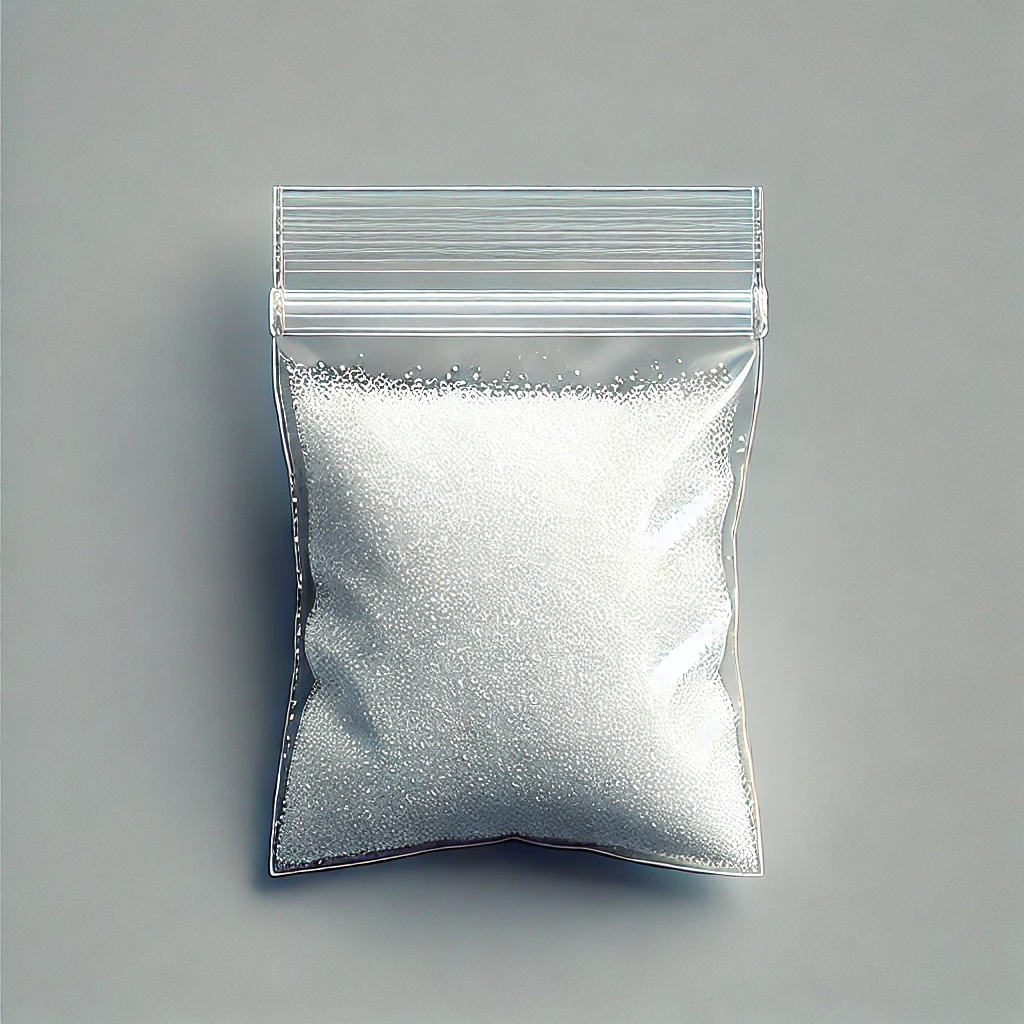
Cocaine is a powerful stimulant that impacts the body and mind, often with serious consequences. While it’s known for producing a quick, intense feeling of energy and euphoria, cocaine can lead to a range of short-term and long-term effects that may harm both physical and mental health. Here’s a look at what happens in both the short and long term when cocaine is used.
Short-Term Effects of Cocaine
When someone uses cocaine, they often feel a sudden burst of energy, alertness, and euphoria. These effects typically don’t last long, which is why people might take repeated doses. But with these immediate feelings come other, less desirable effects:
- Increased Heart Rate and Blood Pressure: Cocaine can cause the heart to beat faster, and blood pressure can rise. This puts a lot of stress on the cardiovascular system.
- Dilated Pupils: One common sign of cocaine use is pupils that become very large. This happens because cocaine affects certain nerves in the eyes.
- Decreased Appetite: Cocaine can suppress appetite, causing people not to feel hungry, which can lead to weight loss over time if the drug is used regularly.
- Feeling Anxious or Paranoid: While some people feel energetic, others may feel anxious or paranoid. The drug affects different people in different ways, and it can cause intense anxiety or a sense of fear.
- Nausea: Cocaine can also make people feel sick to their stomach, which can lead to vomiting.
- Increased Risk of Dangerous Behaviors: Cocaine can lead to impulsive or risky behavior. This is partly due to the euphoria and confidence it gives users, which can sometimes make them feel invincible.
The short-term effects might seem manageable, but repeated use or larger doses increase the chance of severe health risks like heart attack, stroke, or even sudden death.
Long-Term Effects of Cocaine
Long-term cocaine use can have lasting and serious consequences on both physical and mental health. Over time, the effects of cocaine start to impact nearly every system in the body.
- Heart Problems: Chronic cocaine use increases the risk of heart disease, arrhythmia, and heart attacks. It damages the heart muscles and weakens the cardiovascular system.
- Lung Damage: People who smoke or inhale cocaine may damage their lungs, which can lead to breathing problems, chest pain, and even lung infections.
- Kidney and Liver Damage: Cocaine affects blood flow to organs, and long-term use can damage the kidneys and liver. This can lead to severe organ failure in some cases.
- Mental Health Issues: Long-term cocaine use has been linked to mental health problems such as anxiety, depression, and paranoia. Some users may even experience psychosis, which involves losing touch with reality.
- Reduced Ability to Feel Pleasure: Cocaine affects dopamine, a chemical in the brain linked to pleasure. Over time, cocaine users may find it harder to experience joy or satisfaction from normal activities without using the drug.
- Weight Loss and Malnutrition: Because cocaine suppresses appetite, many users don’t get the nutrients they need. This can lead to weight loss and malnutrition, weakening the immune system.
- Nasal and Sinus Problems: For those who snort cocaine, long-term use can damage the nasal passages, causing nosebleeds, loss of smell, and issues with breathing.
- Risk of Overdose: Long-term use increases the risk of an overdose, especially if people develop a tolerance and take larger amounts of the drug. Cocaine overdoses can be fatal.
Why Getting Help Matters
The effects of cocaine, both short and long term, can be life-threatening. Even if someone feels in control of their use, the risk of addiction and the strain on the body make it a dangerous drug. For those struggling with cocaine use, treatment centers and recovery programs offer support and guidance to help break the cycle of addiction.
Getting help early can prevent some of the long-term effects from taking hold, and with professional assistance, people can find healthier ways to cope with challenges and stress.
If you or a loved one are struggling with addiction or mental health issues, please give us a call today at 855-952-3546