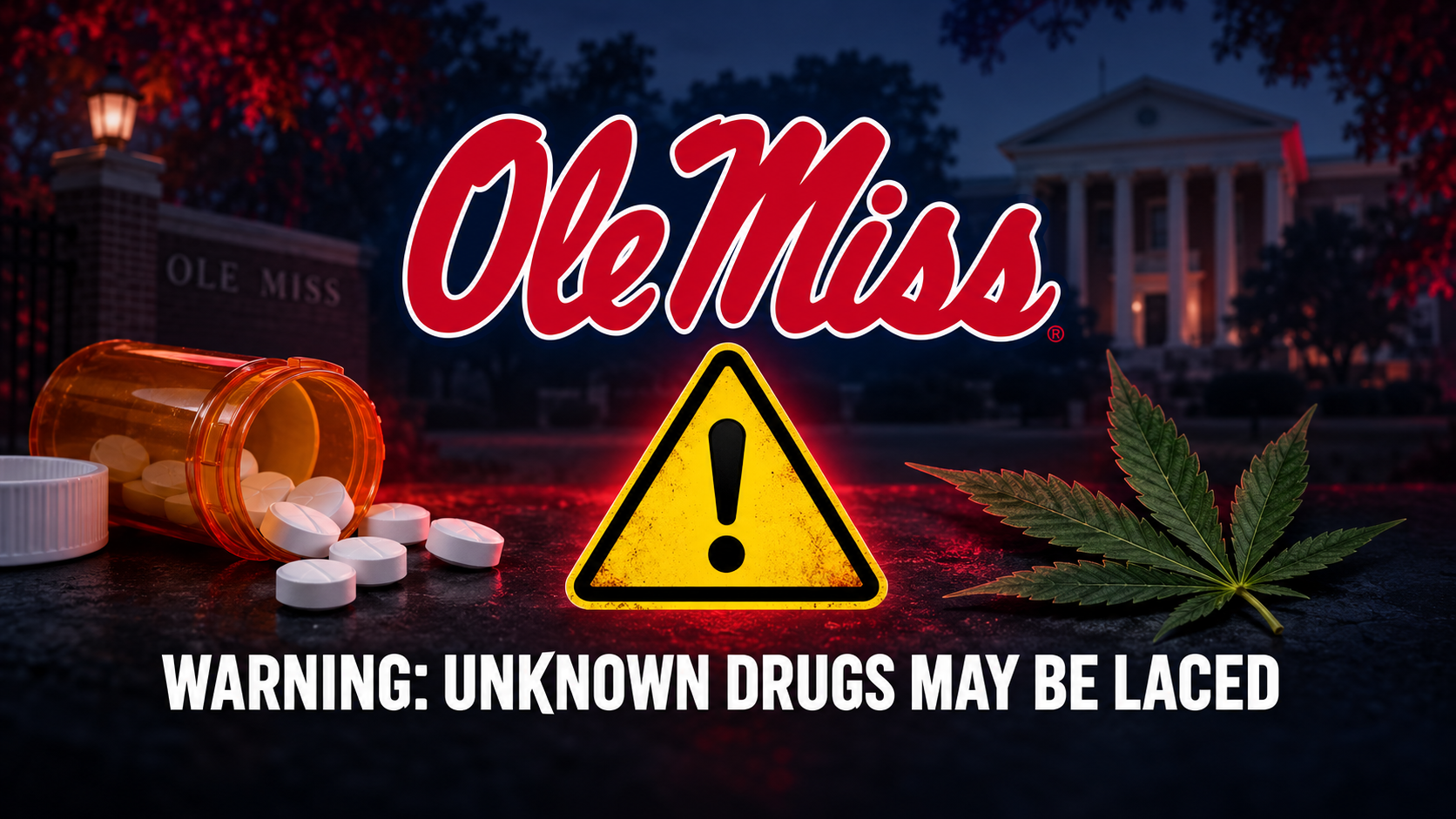
The Struggles of Addiction on Families
Addiction doesn’t just affect one person—it impacts the entire family. When someone is struggling with substance abuse, the emotional, mental, and even physical toll spreads to everyone around them. Families often find themselves caught in a cycle of worry, confusion, and stress, unsure of how to help or what to do next.
The Emotional Toll on Loved Ones
One of the hardest parts of addiction is the emotional weight it places on family members. Parents, siblings, and partners often feel constant anxiety about their loved one’s safety. There’s fear of the unknown—fear of relapse, fear of health issues, and fear of losing someone they care about. Over time, this stress can lead to burnout, depression, and emotional exhaustion.
Broken Trust and Strained Relationships
Addiction can damage trust in a big way. Lies, secrecy, and broken promises are common when someone is struggling. Family members may feel hurt or betrayed, even if they still love and support the person. These repeated experiences can create distance and tension, making it harder to maintain strong, healthy relationships.
Confusion and Lack of Understanding
Many families struggle to understand addiction. It’s common to think, “Why can’t they just stop?” But addiction is not a simple choice—it’s a complex condition that affects the brain and behavior. Without this understanding, frustration builds, and communication often turns into arguments rather than support.
Changes in Family Roles
When addiction enters a household, roles often shift. One person may take on more responsibility to keep things stable. A sibling might step into a caretaker role, or a parent may become overly protective. These changes can lead to imbalance, stress, and even resentment over time.
Communication Breakdowns
Conversations can become difficult and emotional. Families may avoid talking about the problem to prevent conflict, while others may try to control the situation. Both approaches can create more distance. Healthy communication becomes harder, even though it’s more important than ever.
The Need for Support and Healing
Families often focus so much on helping their loved one that they forget about their own well-being. But support is just as important for them. Setting boundaries, seeking guidance, and taking care of their mental health can make a huge difference. Healing is not just for the individual—it’s for the entire family.
Addiction is a difficult journey, but it doesn’t have to define a family forever. With understanding, support, and the right approach, families can rebuild trust, strengthen relationships, and move forward together.
If you or a loved one are struggling with addiction or mental health issues, please give us a call today at 855-952-3546.