Can Ozempic Affect Your Mood or Anxiety Levels?
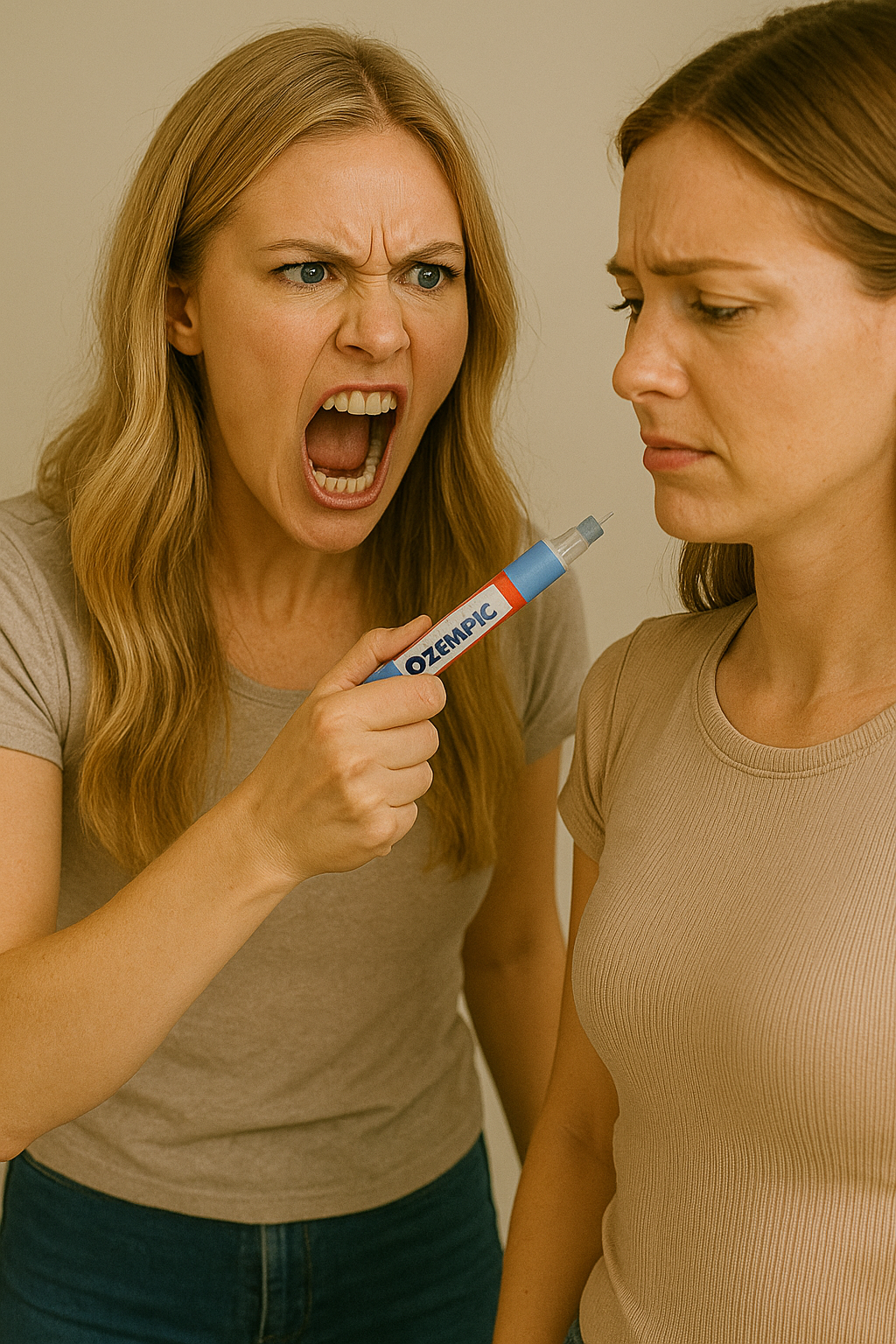
Ozempic is one of the most talked-about medications today. People use it for diabetes management, weight loss, appetite control, and everything in between. But one question often gets overlooked: What does Ozempic do to your mental health? While it’s known for its physical effects, more and more people are wondering how it interacts with mood, stress, and anxiety—especially for those already dealing with mental health struggles or substance use patterns.
Whenever your body chemistry shifts, your brain chemistry shifts too. Ozempic is a GLP-1 receptor agonist, so it influences appetite, blood sugar, and digestion—but it also interacts with areas of the brain connected to reward, impulse control, and emotional regulation. These areas matter deeply for people dealing with anxiety, depression, or relying on substances to cope. So yes, Ozempic can affect more than just your weight—it can affect how you feel.
For some, the emotional side effects come from routine disruption. If food has been a coping mechanism—comfort during stress, emotional escape, or a way to self-soothe—reduced appetite can create a sudden, uncomfortable silence. That can trigger irritability, sadness, or anxiety. It’s not necessarily Ozempic “causing” emotional issues, but rather forcing someone to confront emotions that were previously numbed or distracted by eating patterns.
This matters because emotional regulation is deeply tied to addiction and mental health. Changing eating habits can stir up old wounds or stressors. People recovering from substance abuse sometimes experience cross-addiction patterns where the brain shifts from one coping tool to another. When appetite is suppressed, the brain may search for new ways to cope, sometimes through risky behavior, emotional withdrawal, or increased anxiety.
Rapid blood sugar changes can also impact mood. When people skip meals—not because they want to, but because their appetite disappears—fatigue, irritability, and emotional instability can creep in. This can mimic depressive symptoms or make existing anxiety worse. A physically unbalanced body makes it harder for the mind to stay calm and centered.
For some, Ozempic intensifies feelings already beneath the surface. If you’ve been dealing with stress, trauma, or emotional pain, the medication’s effects can make those feelings more noticeable. Sometimes people even misinterpret physical discomfort—like nausea or heart palpitations—as anxiety symptoms, creating a cycle of worry. This can be triggering, especially for anyone with a history of panic attacks or reliance on substances to cope.
But it’s also important to remember the opposite can be true. For many people, weight loss and improved health outcomes lead to boosts in confidence, hope, and motivation. Feeling physically healthier can reduce stress and support emotional stability. Mental health doesn’t always worsen—sometimes it improves alongside physical changes.
The key is awareness. If you notice new emotional symptoms that feel persistent or overwhelming—like increased anxiety, racing thoughts, depression, or major mood swings—it’s important to pay attention. Mental health deserves the same care as physical health. No medication exists in a vacuum. It affects the whole person.
Healthy routines can help stabilize both mood and mindset. Eating balanced meals, even when appetite is lower, helps keep blood sugar steady. Staying hydrated, getting movement in, and maintaining sleep patterns all support emotional regulation. Checking in with yourself is essential. If your feelings become too heavy, reach out for support. You’re not alone, and asking for help is strength.
Ozempic can be a powerful tool, but it’s not just a physical journey. It can bring emotional questions to the surface and challenge old coping mechanisms. Whether you’re navigating anxiety, managing stress, or recovering from harmful habits, staying connected to your mental health is everything. Life is short—taking care of your mind matters just as much as taking care of your body.
If you or a loved one are struggling with addiction or mental health issues, please give us a call today at 855-952-3546