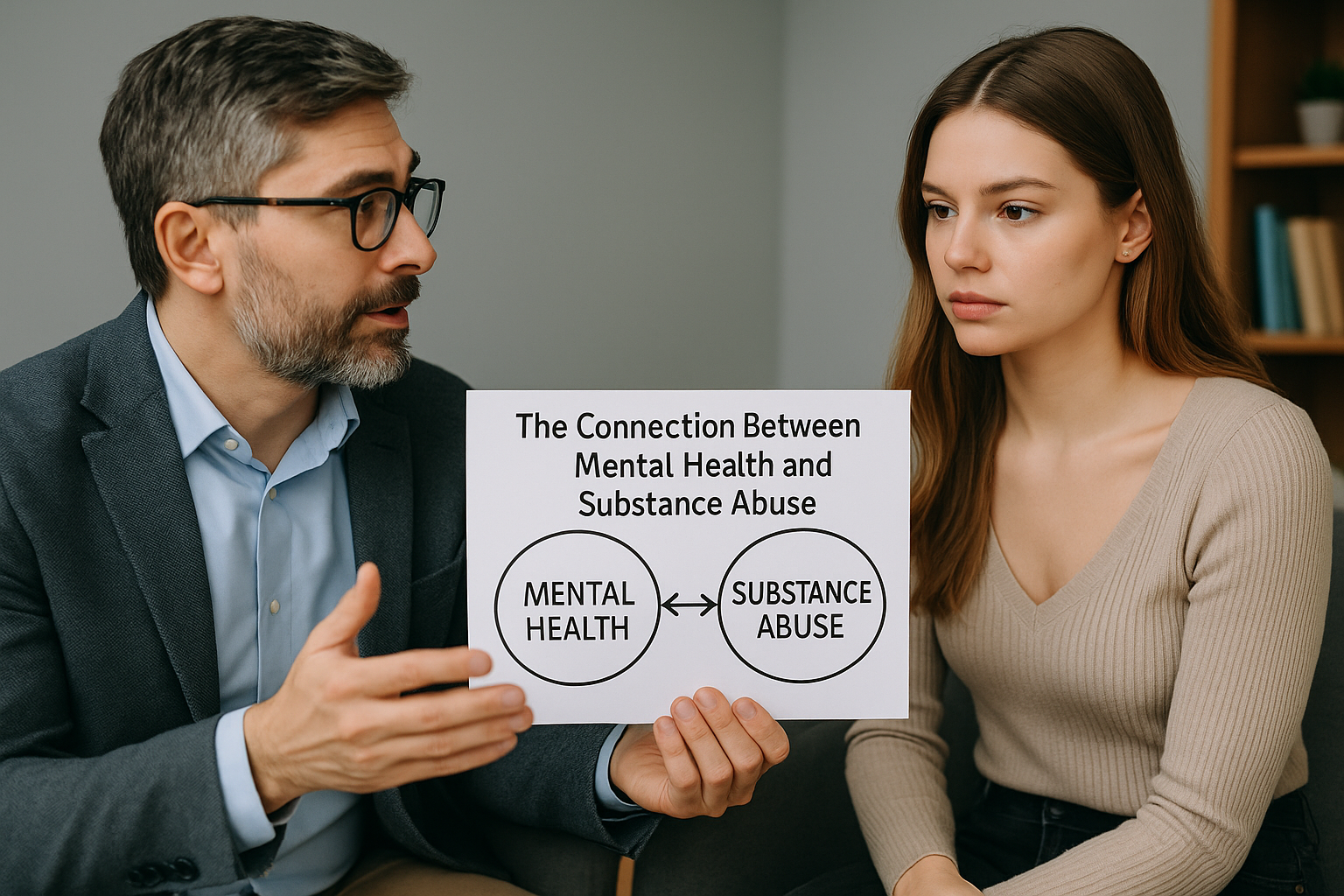
The Connection Between Mental Health and Substance Abuse
Mental health and substance abuse often go hand in hand, forming a complex relationship that can be difficult to untangle. When someone struggles with depression, anxiety, or trauma, substances can feel like an escape. On the other hand, using drugs or alcohol can trigger or worsen mental health issues, creating a dangerous cycle that’s hard to break. Understanding how these two issues intersect is crucial for anyone seeking recovery and for those supporting loved ones through it.
The Cycle of Co-Occurring Disorders
Many people begin using drugs or alcohol as a form of self-medication. They may drink to ease social anxiety, take pills to sleep, or use drugs to numb emotional pain. While it might provide temporary relief, the long-term effects often deepen the underlying mental health condition. For instance, alcohol—a depressant—can intensify sadness and fatigue, while stimulants like cocaine can worsen paranoia or panic attacks. Over time, the body and brain become dependent on substances, and emotional stability becomes even harder to maintain.
This combination of mental health and substance use issues is known as a co-occurring disorder or dual diagnosis. According to studies, nearly half of people with a substance use disorder also experience a mental health condition. Unfortunately, many people only receive treatment for one problem, which often leads to relapse or continued emotional distress.
How Substance Use Affects the Brain and Emotions
Substances alter brain chemistry, particularly the parts responsible for mood regulation and decision-making. Drugs like opioids and alcohol flood the brain with dopamine, creating feelings of pleasure and reward. Over time, the brain’s natural ability to produce dopamine decreases, leading to emotional numbness, irritability, and depression when not using the substance.
This shift in brain chemistry makes it harder for someone to feel “normal” without using. Everyday joys lose their appeal, and stress feels unbearable without the substance. The result is a vicious cycle—using to feel better, but feeling worse because of the use.
The Role of Stress and Trauma
Stress, trauma, and early-life experiences often play a key role in both mental health struggles and addiction. Many individuals who develop substance use disorders have histories of childhood trauma, abuse, or neglect. The emotional scars left behind can make it difficult to cope with life’s challenges in healthy ways. Substances then become a coping mechanism—a way to dull the emotional pain that therapy or self-reflection might otherwise address.
Post-traumatic stress disorder (PTSD) and addiction, for example, are deeply linked. People suffering from PTSD may turn to alcohol or drugs to manage flashbacks and anxiety, but substance use often worsens the symptoms over time.
Breaking the Connection
The first step in breaking this cycle is understanding that recovery must address both the mental health condition and the addiction. Treating one without the other is like fixing only half of the problem. Integrated treatment programs combine therapy, medication (when appropriate), and lifestyle changes to support both the mind and body. Cognitive Behavioral Therapy (CBT), Dialectical Behavior Therapy (DBT), and trauma-informed care are especially effective in helping individuals recognize unhealthy thought patterns and replace them with coping skills that don’t rely on substances.
Support groups and peer recovery programs can also make a major difference. Talking to others who understand the struggle helps reduce shame and isolation—two major barriers to recovery. Rebuilding mental health often takes time, patience, and compassion, but the outcome is worth the effort.
A Path Toward Healing
Understanding the connection between mental health and substance abuse reminds us that addiction isn’t a moral failure—it’s often a symptom of deeper pain. Recovery means more than just quitting drugs or alcohol; it means learning how to live, think, and feel again without them. With the right support, therapy, and commitment to self-care, breaking free from this cycle is not only possible—it’s life-changing.
If you or a loved one are struggling with addiction or mental health issues, please give us a call today at 855-952-3546