Long-Term Effects of Heroin Use on the Brain
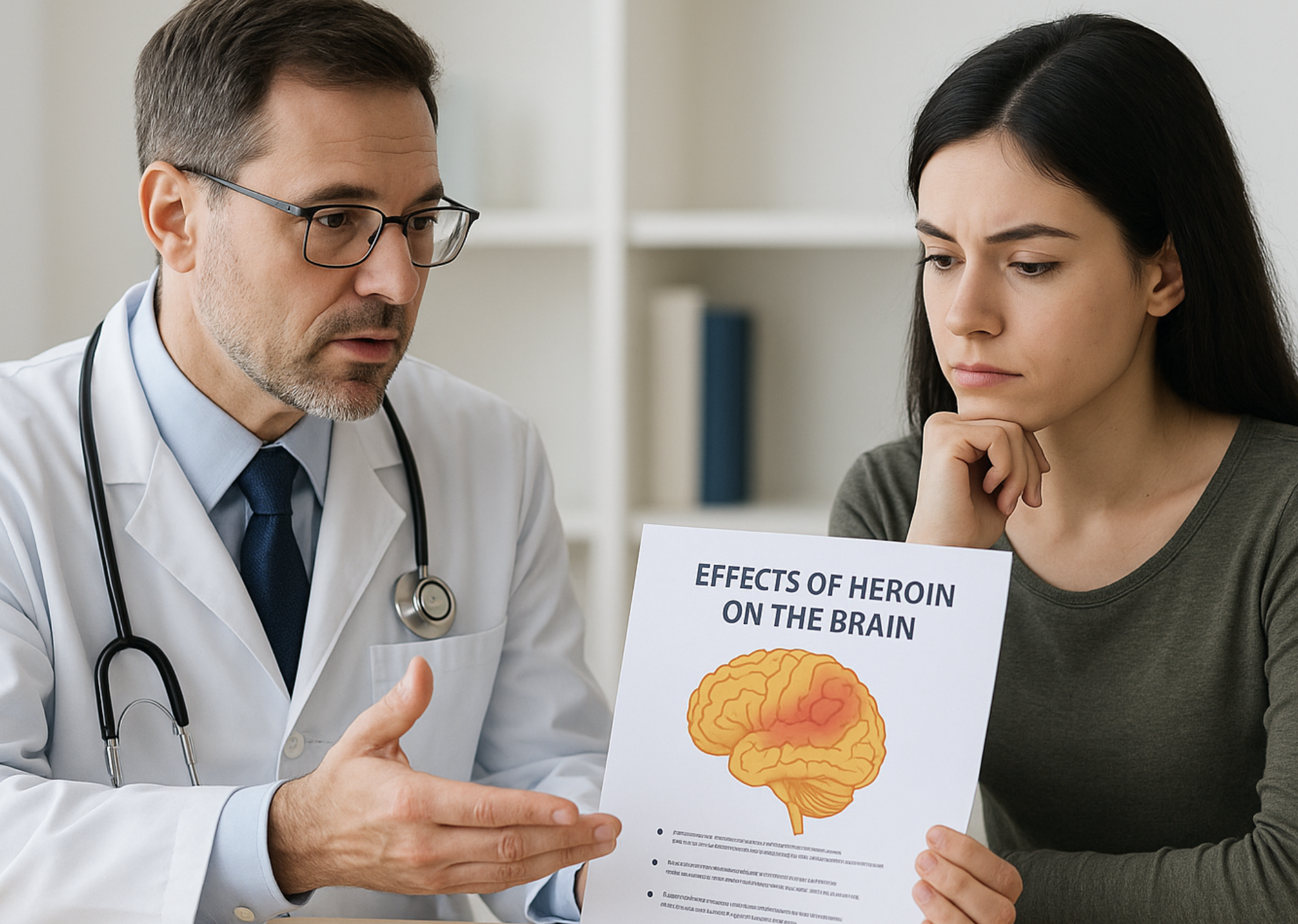
Heroin is one of the most addictive and destructive drugs in existence, known for the powerful high it delivers and the devastating toll it takes on both the body and mind. While many people recognize the physical dangers—collapsed veins, infections, or overdose—the long-term effects heroin has on the brain are even more alarming. Understanding these neurological impacts is essential to grasp why recovery from heroin addiction is so challenging and why professional mental health and substance abuse treatment is so vital.
Heroin, a synthetic opioid made from morphine, directly targets the brain’s reward system. When used, it floods the brain with dopamine, a neurotransmitter responsible for pleasure and motivation. This surge creates intense euphoria but also rewires the brain to crave that feeling repeatedly. Over time, the brain stops producing dopamine naturally, meaning that everyday activities—like eating, laughing, or spending time with loved ones—no longer bring joy. This creates a vicious cycle where the user becomes mentally and emotionally dependent on heroin to feel any sense of normalcy.
As heroin use continues, the brain’s structure and function begin to deteriorate. Studies show that long-term use causes significant changes in white matter, the part of the brain responsible for decision-making, impulse control, and behavior regulation. This damage makes it harder for individuals to think clearly, make sound choices, or resist cravings even when they desperately want to quit. These cognitive impairments are often long-lasting and can persist well after someone stops using the drug, making relapse more likely without professional support.
Another major concern is the way heroin disrupts the brain’s natural communication system. Neurons, the brain’s messengers, become desensitized and fail to communicate properly. The brain’s ability to process emotions and stress diminishes, often leading to severe mental health struggles. Many people who have used heroin long-term report chronic anxiety, depression, and emotional numbness. This overlap between substance abuse and mental health—known as a dual diagnosis—makes treatment complex but crucial. Without addressing both the addiction and the psychological damage, recovery becomes much harder to sustain.
Heroin’s effects also reach deep into the brainstem, which controls vital functions like breathing, heart rate, and sleep. This is one of the reasons why overdoses are so deadly: the drug slows the body’s systems to dangerous levels. But even when users survive, repeated exposure can alter how the brainstem responds to stress and danger, leaving individuals with lingering fatigue, sleep disorders, and an inability to regulate stress. These symptoms can make it harder to function day-to-day and often contribute to feelings of hopelessness.
Long-term heroin use also has a profound impact on memory and learning. The hippocampus, a region critical for forming new memories, shrinks with chronic use. This can cause memory lapses, confusion, and difficulty concentrating—symptoms often mistaken for other mental health disorders. These cognitive issues can last for months or years into recovery, which is why professional rehabilitation programs often include cognitive behavioral therapy (CBT) and mindfulness-based practices to help retrain the brain.
The mental health toll of heroin addiction cannot be overstated. Many individuals experience deep shame, guilt, and isolation due to the changes in their behavior and thinking. Relationships crumble, jobs are lost, and self-worth diminishes. The emotional pain often becomes just as destructive as the drug itself, fueling a dangerous cycle of using to escape distress and then feeling worse afterward. This is why addressing mental health and substance abuse together is the cornerstone of effective treatment.
Fortunately, the brain has a remarkable capacity to heal—if given time and support. With consistent therapy, nutrition, and medical treatment, parts of the brain affected by heroin can begin to recover. Treatment centers that specialize in dual diagnosis care can help individuals manage both withdrawal symptoms and mental health challenges simultaneously. Behavioral therapies, group counseling, and holistic care approaches like meditation or exercise can all play a role in rebuilding neural pathways and restoring balance.
Recovery from heroin addiction is not just about stopping drug use—it’s about healing the mind. The long-term effects on the brain underscore the importance of early intervention and ongoing support. By focusing on mental health, addressing emotional wounds, and committing to treatment, individuals can overcome the neurological and psychological scars heroin leaves behind. The road to recovery is long, but every step taken toward mental clarity, emotional stability, and self-compassion is a step away from addiction and toward a life worth living.
In the end, understanding heroin’s impact on the brain is a reminder that addiction is not a sign of weakness—it’s a disease that changes how the brain works. With compassion, professional care, and mental health awareness, recovery is not just possible—it’s powerful.
If you or a loved one are struggling with addiction or mental health issues, please give us a call today at 855-952-3546