The Millennial Mind: Dealing with the Pressures of Modern Life and the Rise of Mental Health Struggles
Being a millennial in today’s world means living in a constant tug-of-war between ambition and exhaustion. Millennials grew up during a technological boom, economic instability, and the rise of social media. They were told they could do anything—but weren’t told how much it would cost their peace of mind. Now, this generation faces skyrocketing rates of anxiety, depression, and substance abuse as they try to navigate a world that never slows down.
The Weight of Expectations
Millennials entered adulthood during one of the most competitive and uncertain job markets in history. Many graduated into the Great Recession, burdened by student loans and high living costs, only to find jobs that didn’t match their education or pay enough to keep up with inflation. This financial pressure created an undercurrent of stress that hasn’t gone away. Even as some have found stability, the fear of falling behind—career-wise, financially, or socially—lingers in the background.
On top of that, the “hustle culture” mentality became the norm. Success is now measured by productivity, not happiness. Rest feels like failure, and saying no feels like weakness. These internalized pressures lead many to cope in unhealthy ways—turning to alcohol, prescription drugs, or recreational substances as temporary relief. What starts as a glass of wine after a long day can quickly become a nightly ritual just to take the edge off.
The Social Media Effect
No discussion about millennial stress is complete without acknowledging social media. Platforms like Instagram and TikTok have created an endless highlight reel of perfection. Everyone else’s life looks more exciting, more successful, and more beautiful. The constant comparison takes a toll, often making people feel inadequate, isolated, and left behind.
This digital reality distortion has been linked to increased rates of anxiety and depression. For some, it leads to emotional numbing—using substances to escape the pressure to keep up appearances. Studies show that excessive social media use is strongly correlated with poor mental health outcomes, especially among those already struggling with low self-esteem or chronic stress.
Substance Abuse: A Dangerous Escape
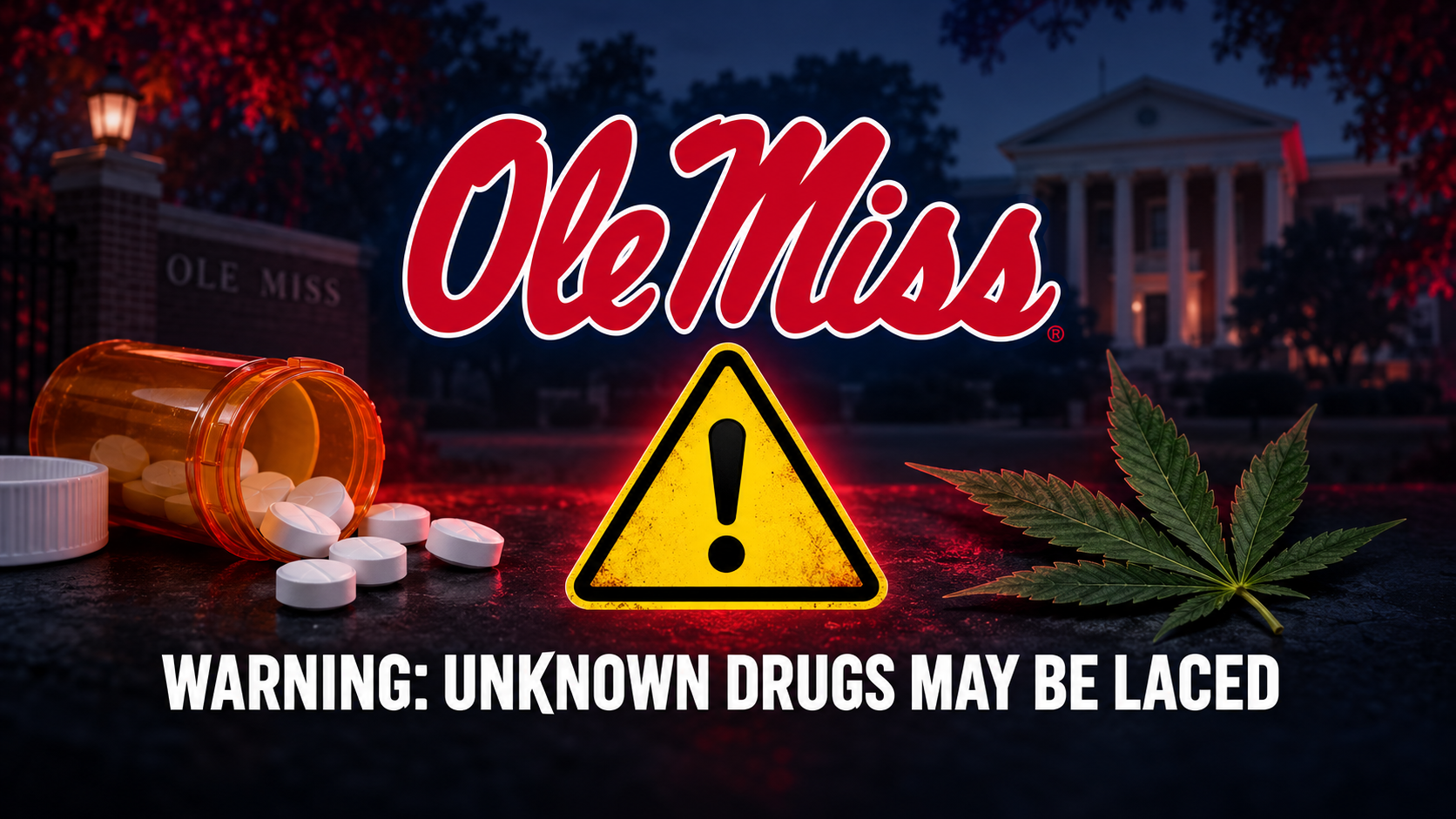
When stress becomes unbearable, many millennials turn to substances as a form of self-medication. Alcohol, cannabis, stimulants, and even prescription medications like Adderall or Xanax can seem like quick fixes for burnout and anxiety. But these “solutions” often spiral into dependency.
Substance abuse offers the illusion of relief but deepens the problem over time. It masks the symptoms of stress without addressing the root cause—emotional exhaustion, lack of purpose, and unprocessed trauma. As the temporary comfort fades, users often need more to feel the same sense of calm, leading to addiction cycles that can destroy mental health, relationships, and careers.
Mental Health Stigma and the Struggle to Seek Help
While millennials have made great strides in normalizing therapy and self-care, stigma still exists. Many people hesitate to reach out for help because they feel ashamed or fear being judged. Others simply don’t have access to affordable care—despite recognizing that they need it.
Mental health resources can feel out of reach, especially for those living paycheck to paycheck. Insurance complications, long waitlists, and high copays discourage people from getting the treatment they deserve. As a result, substance abuse becomes a substitute for professional help—a coping mechanism for a system that doesn’t always make healing accessible.
Breaking the Cycle
The first step toward healing is awareness. Understanding that stress, anxiety, and even moments of burnout are valid experiences—not personal failures—is crucial. Millennials must learn to redefine success on their own terms, focusing on mental well-being over material achievement.
Seeking help through therapy, support groups, or treatment programs can make all the difference. Cognitive Behavioral Therapy (CBT), mindfulness practices, and lifestyle changes like regular exercise or journaling can help manage symptoms and reduce reliance on substances. For those already struggling with addiction, recovery centers provide a safe and structured environment to break free from dependency and rebuild emotional resilience.
Finding Peace in an Overstimulated World
In a generation constantly connected to screens and comparisons, one of the healthiest things millennials can do is disconnect. Taking breaks from social media, limiting work emails after hours, and prioritizing sleep and relaxation can improve mood and focus. Reconnecting with nature, hobbies, and real-life friendships provides grounding and perspective.
It’s also essential to replace harmful coping habits with supportive ones. Instead of reaching for alcohol to unwind, try breathing exercises or creative outlets like painting or music. Building a support system—friends, family, or recovery communities—helps maintain accountability and reminds people that they’re not alone in their struggles.
Conclusion: Healing is a Journey, Not a Trend
Being a millennial in today’s world comes with unique challenges. From financial insecurity to social comparison and burnout, it’s no wonder this generation is experiencing a mental health crisis. But within that crisis lies an opportunity—to prioritize healing over perfection, and recovery over repression.
Substance abuse and mental health issues don’t define who you are—they’re signs of someone who’s been carrying too much for too long. Real strength comes from putting the bottle down, reaching out for help, and giving yourself permission to rest.
The world might tell you to keep pushing, but your mind and body are telling you something different: it’s okay to stop, breathe, and heal.