The Hidden Toll: How Social Media Stress Impacts Mental Health and Fuels Substance Abuse
In today’s always-online world, social media has become a constant companion — and for many, an invisible source of stress. From endless scrolling on Instagram to the dopamine hits of TikTok notifications, people spend hours comparing their lives to carefully filtered versions of others. What often goes unnoticed, however, is the toll this digital exposure takes on mental health — and how that stress can open the door to substance abuse.
The Pressure of the Perfect Life
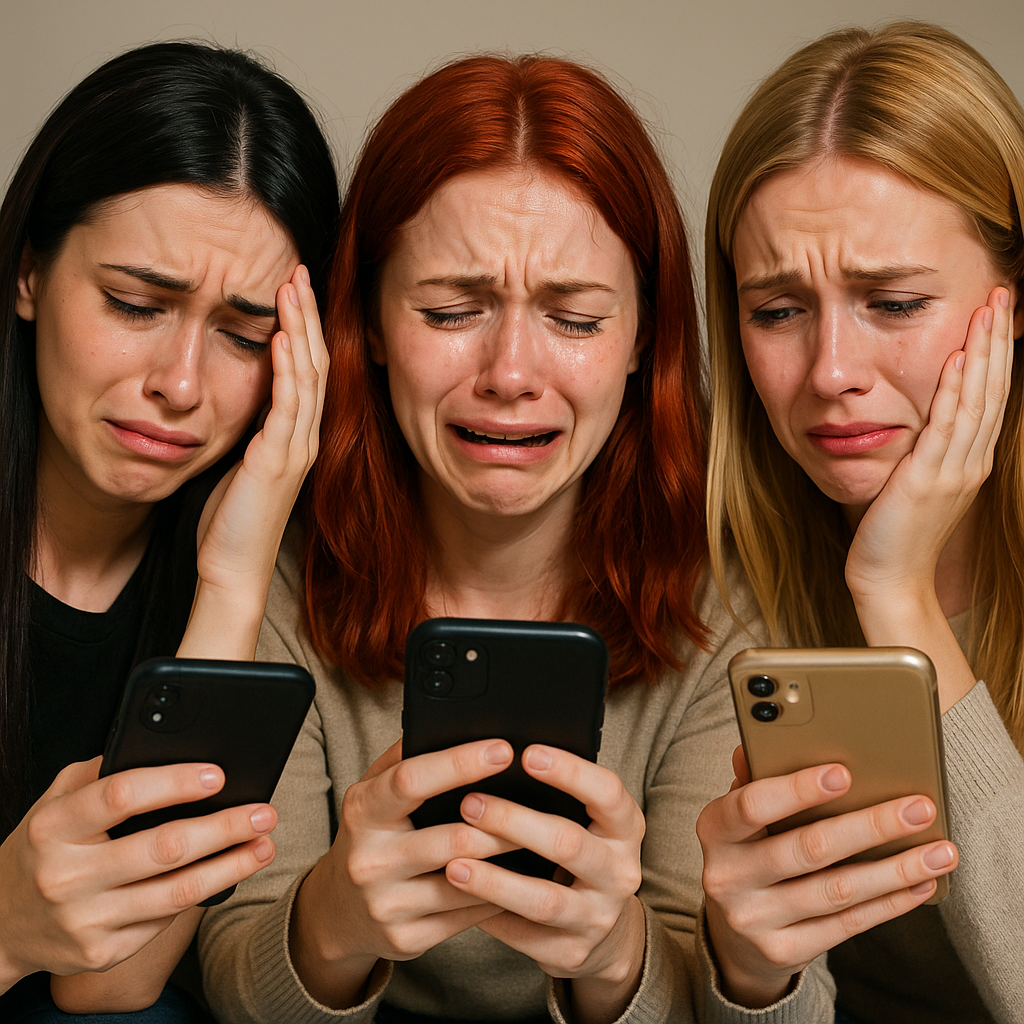
At its core, social media is designed to connect people, but the connections aren’t always healthy. Platforms like Instagram, Snapchat, and TikTok create spaces where perfection thrives — flawless bodies, luxurious vacations, expensive lifestyles, and the illusion that everyone else is doing better. Constant comparison can lead to anxiety, depression, and feelings of inadequacy. Over time, this pressure to measure up can damage self-esteem and distort self-worth.
Young people, especially teenagers and young adults, are particularly vulnerable. Studies show that heavy social media users are more likely to report symptoms of anxiety and depression. The brain’s reward system responds to likes and comments much like it responds to addictive substances — with quick bursts of dopamine that fade fast, leaving users craving more. That emotional rollercoaster is exhausting, and many begin seeking relief elsewhere — often through drugs or alcohol.
From Emotional Numbness to Substance Dependence
For those struggling with social media-induced stress, substances can feel like a temporary escape. The anxiety of online judgment or the sadness of digital isolation can make a drink or a pill seem like the easiest way to feel calm again. Over time, though, what starts as “taking the edge off” becomes dependence. Substances that once dulled pain begin to control mood, behavior, and identity — creating a new cycle of stress and shame.
Social media doesn’t just contribute to the initial stress; it also reinforces addiction. Influencers and celebrities often glamorize drinking and drug use, making it look like part of a fun, carefree lifestyle. Even casual exposure to such content can normalize unhealthy coping mechanisms. For someone already battling depression or low self-esteem, seeing others celebrate their own vices online can trigger relapse or deepen addiction.
The Anxiety of Constant Connection
Beyond comparison, social media keeps users in a state of perpetual alertness. The constant pings, messages, and updates feed anxiety and make it nearly impossible to relax. People begin feeling pressure to respond immediately, post frequently, and maintain a constant online presence — even when they’re emotionally drained. This “always on” mentality keeps the brain in a mild state of fight-or-flight, increasing cortisol levels and worsening mental health over time.
For individuals in recovery, these triggers can be dangerous. Stress and emotional overload are two of the most common causes of relapse. When every notification, post, or comment can send the mind spiraling, maintaining sobriety becomes even harder. That’s why many treatment programs now include social media management strategies as part of therapy, helping patients set digital boundaries and rebuild healthier habits.
The Link Between Isolation and Addiction
Ironically, while social media was created to connect people, it often leaves them feeling lonelier than ever. Scrolling through highlight reels of others’ lives can intensify feelings of isolation — especially when someone is already struggling. The lack of genuine connection pushes some toward substances as a substitute for comfort and belonging.
Loneliness is a major predictor of addiction. When people feel unseen or disconnected, drugs and alcohol can seem like their only companions. But digital isolation is deceptive: even surrounded by thousands of followers, one can still feel completely alone. Recovery often begins when that illusion breaks — when people recognize that real healing requires real connection, not virtual validation.
Building Healthier Digital Habits
Overcoming the mental health strain of social media starts with awareness. Small but consistent changes can make a big difference:
-
Set time limits. Restrict social media use to specific windows each day to reduce exposure to negative content.
-
Unfollow triggers. Curate your feed to include uplifting and realistic voices instead of comparison-driven ones.
-
Take digital detox days. Disconnecting entirely, even once a week, helps the brain reset and improves mood.
-
Engage offline. Real conversations, exercise, and nature walks release endorphins that help balance the brain’s chemistry.
-
Seek professional help. Therapists and support groups can teach coping mechanisms that replace unhealthy digital or substance-based habits.
Turning Awareness Into Recovery
Recognizing that social media affects mental health isn’t enough — people must act on that awareness. Whether through therapy, mindfulness, or recovery programs, learning to manage digital stress is key to preventing relapse and maintaining balance. Many treatment centers now integrate technology-based counseling, helping patients navigate the modern challenges of recovery in a connected world.
The goal isn’t to abandon social media entirely but to use it consciously. Following accounts that promote wellness, sobriety, and authenticity can transform platforms from sources of stress into tools for growth. Communities online can also become places of support for those struggling with addiction — proof that digital connection doesn’t always have to be toxic.
A Healthier Way Forward
The intersection of social media, mental health, and substance abuse is complex — but it’s one of the defining challenges of our time. The same platforms that spread anxiety can also spread hope. By acknowledging the link between online stress and emotional pain, society can begin to create healthier digital spaces and stronger mental health awareness.
In the end, recovery — both from substance abuse and from digital overwhelm — is about regaining control. It’s about remembering that your worth isn’t measured in likes, followers, or filtered photos. Healing begins when you unplug from the noise and reconnect with yourself.
If you or a loved one are struggling with addiction or mental health issues, please give us a call today at 855-952-3546